Content
A CIP system is only as good as the equipment behind it. If you choose tanks, pumps, heat exchangers, and control components that are poorly matched to your plant, you will end up with longer wash cycles, higher chemical consumption, and recurring blockages. On the other hand, a thoughtfully designed CIP cleaning system lets you clean product contact surfaces reliably without stripping down piping or vessels. That is why equipment selection is the most important step in any sanitary processing project.
Clean-in-place, or CIP, is a method of cleaning the interior surfaces of process equipment without disassembly. In a typical CIP cycle, a cleaning solution is circulated through tanks, pipelines, pumps, valves, heat exchangers, and filling nozzles at controlled temperatures and flow rates. The system removes product residues, biofilms, mineral scale, and allergens between production runs.
The main benefit of CIP is repeatability. An automated sequence reduces the chance of human error, and documented cycle data supports audits and quality control. Manual cleaning, by contrast, is slower and harder to validate, especially when pipe runs are long or difficult to access.
A standard CIP sequence may include the following stages:
| Stage | Purpose | Typical Duration |
|---|---|---|
| Pre-rinse | Remove loose soil and product residues with warm water | 5-10 min |
| Caustic wash | Dissolve fats, proteins, and organic fouling | 20-40 min |
| Intermediate rinse | Flush out caustic solution | 5-10 min |
| Acid wash | Remove mineral scale and hard water deposits | 10-20 min |
| Final rinse | Eliminate acid residues before the next run | 5-10 min |
| Sanitizing rinse | Reduce microorganism counts to a safe level | 5-15 min |
Every CIP installation needs a defined set of equipment to deliver the cleaning solution, control its temperature, and return it to the holding tank. The core components include:
Dairy and beverage processes leave behind different residues. Milk lines need caustic washes that can break down milk proteins and fats, while fruit-based beverages may require extra rinsing to remove pulp and natural sugars. Equipment surfaces made of stainless steel are the standard in these industries because they are easy to clean and resistant to corrosion, but the cleaning system must still deliver adequate flow velocity and turbulence. Without the right pump capacity and spray coverage, soil can remain in dead legs, under gaskets, and inside fittings.
For example, a yogurt plant that switches between whole milk and flavored drinks may need an extra caustic wash and a longer rinse cycle between products to avoid cross-contact. The CIP equipment must handle these variations without excessive chemical waste.
For example, a pasteurized milk production line typically runs several batches per day, and CIP intervals directly affect the time available for production. A fast, reliable CIP cycle means shorter downtime and less manual labor. Conversely, an undersized CIP unit can create bottlenecks that limit throughput.
Selecting CIP equipment is not simply about buying a packaged unit. Each component in the loop must be matched to the products, line lengths, and available utilities in your plant.
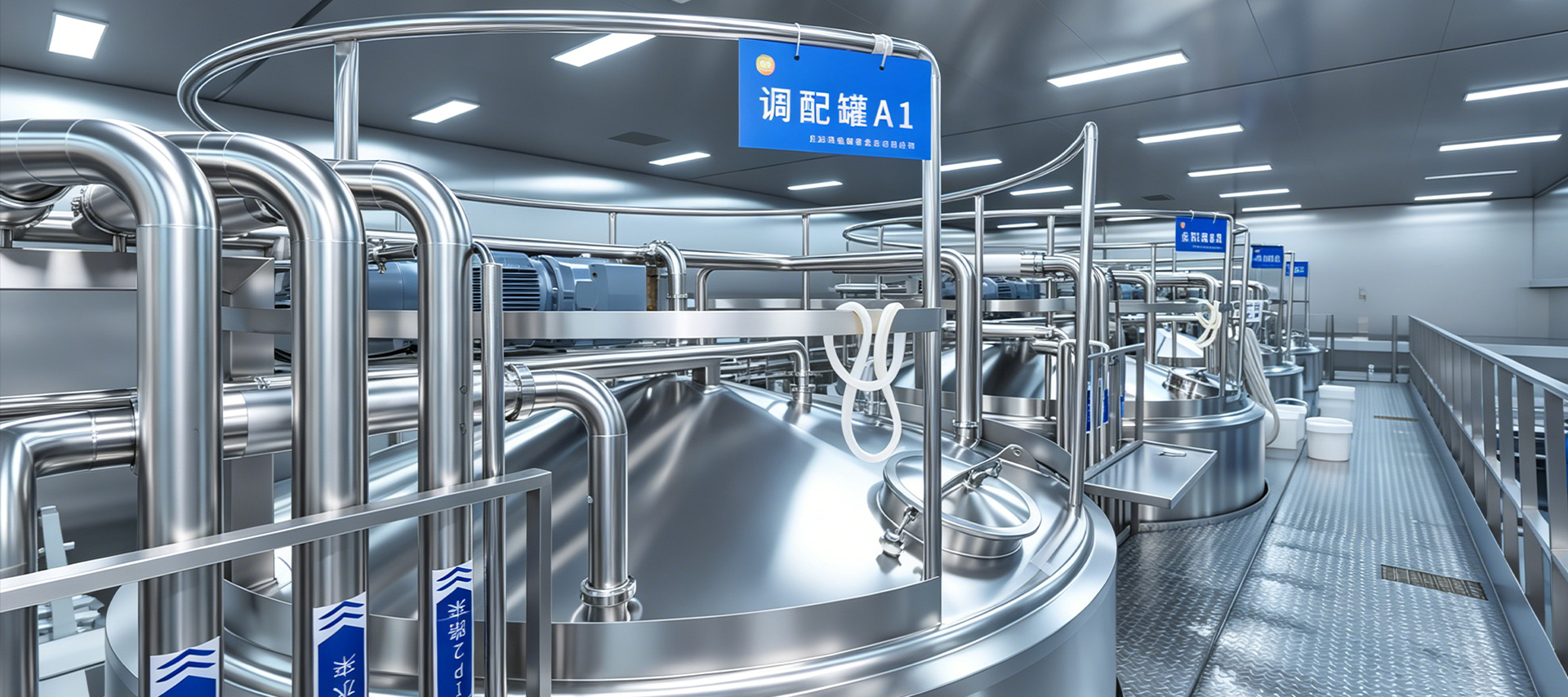
The tanks that hold concentrated cleaning chemicals and rinse water must be sized to provide enough volume for the longest circuit in each cycle. They should be resistant to the chemicals used and able to maintain temperature during operation. A double-layer insulated tank is often a practical choice in dairy plants because it reduces heat loss and keeps cleaning solutions ready for the next cycle.
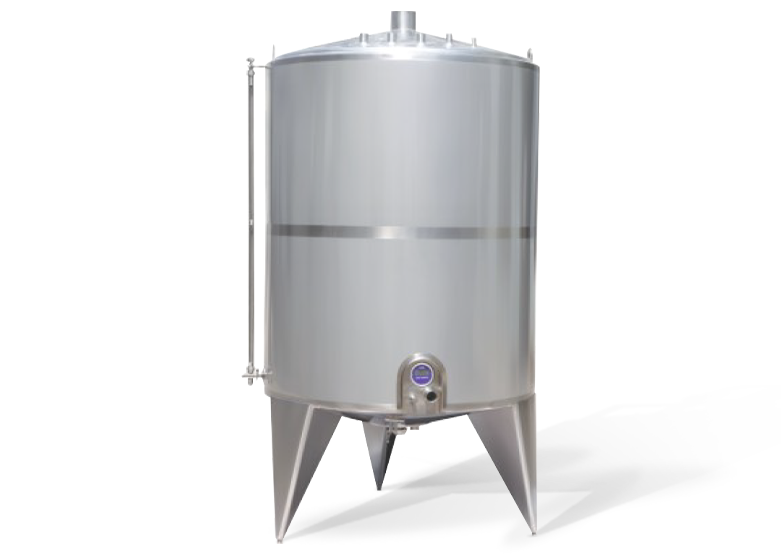 Double-Layer Insulated Tank Suppliers, Custom Factory, Manufacturers - Shanghai Yi Yang Fluid Tech is Double-Layer Insulated Tank Suppliers, Customized Double-Layer Insulated Tank Factory and Manufacturers in China, F...View Product →
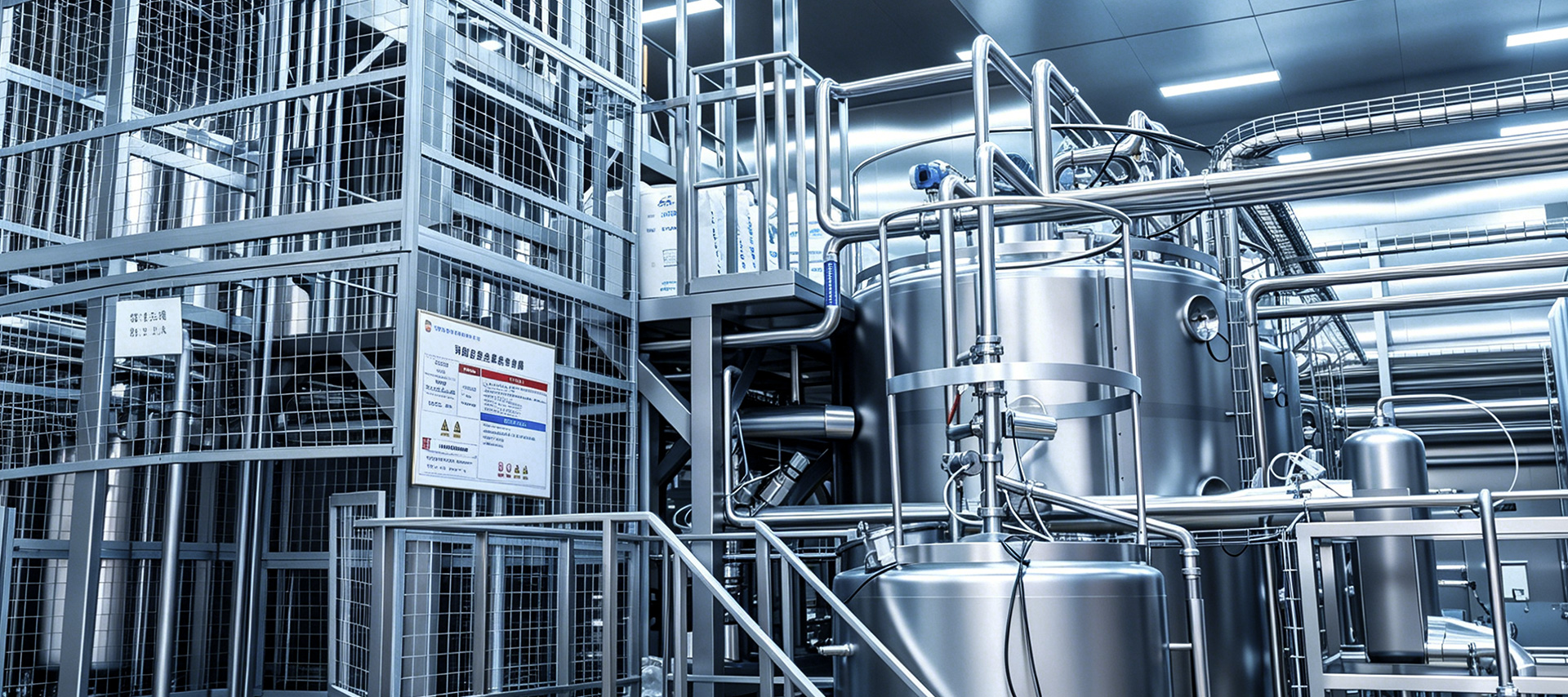
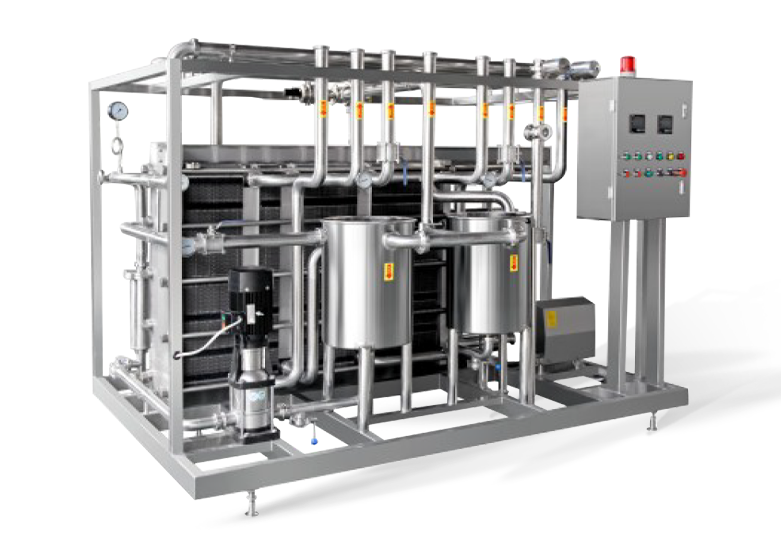
Most CIP procedures require washing temperatures between 60°C and 80°C, depending on the soil type. Steam injection is sometimes used, but heat exchangers offer better control and energy efficiency. A dedicated heat exchanger skid can maintain a steady temperature without direct steam hitting the product contact surface, which is important for repeatable cleaning results.
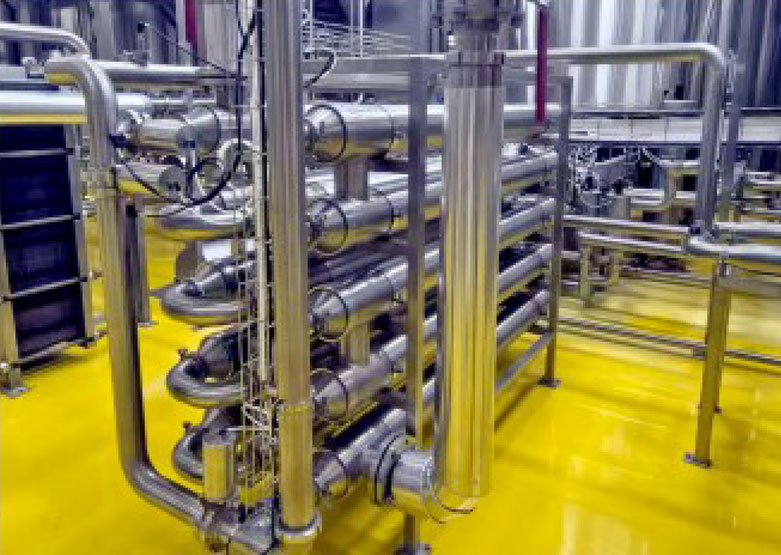 Heat Exchanger Skid Suppliers, Custom Factory, Manufacturers - Shanghai Yi Yang Yi Yang Fluid Tech is Heat Exchanger Skid Suppliers, Customized Heat Exchanger Skid Factory and Manufacturers in China, Function Descript...View Product →
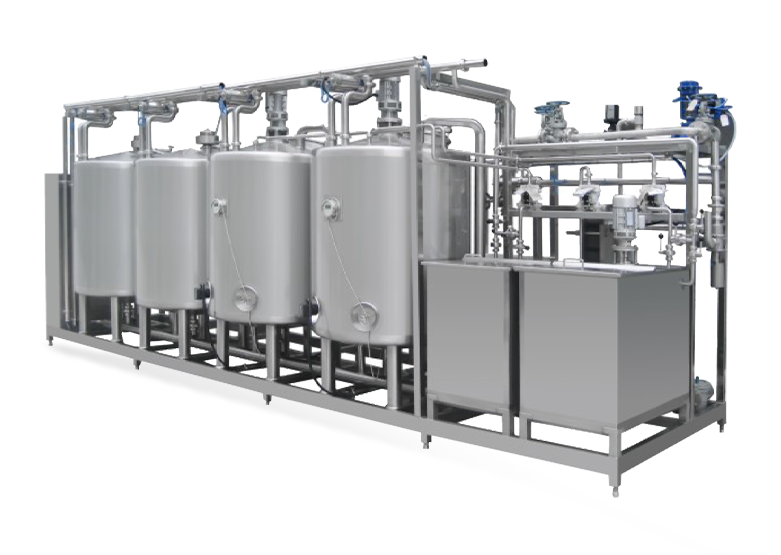
The core of the system is the CIP unit itself, which houses the supply and return pumps, valves, sensors, and control logic. Units with automatic feedback loops monitor flow, conductivity, and temperature to determine when a rinse is complete. If you are evaluating suppliers, ask for a modular CIP cleaning system equipment design that can be expanded as your production lines grow.
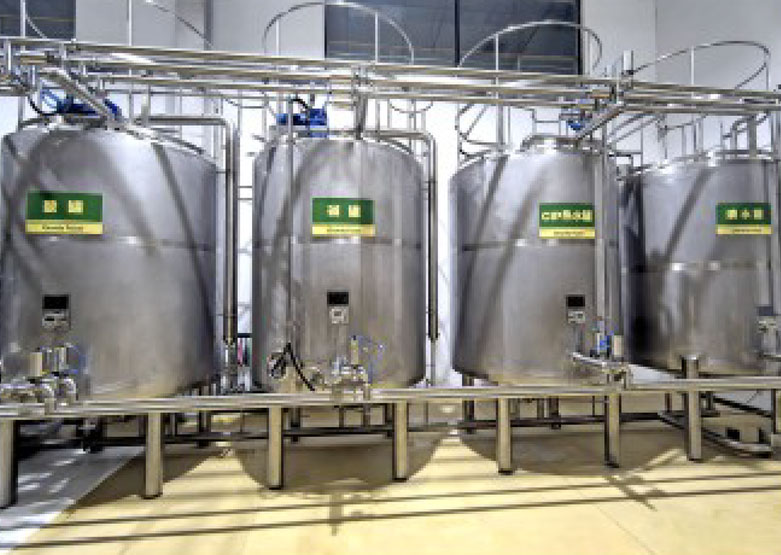 CIP Cleaning System Equipments Suppliers, Custom Factory, Manufacturers - ShanghYi Yang Fluid Tech is CIP Cleaning System Equipments Suppliers, Customized CIP Cleaning System Equipments Factory and Manufacturers in Ch...View Product →
The right CIP configuration depends on your specific process. Here are the main factors to evaluate before you commit to a supplier:
Also compare the total cost of ownership, not just the initial price. A cheaper unit that consumes more water, chemicals, and steam will cost more within a year. Consider the recovery rate, ability to reuse rinse water, and cleaning time per cycle.
Consider whether the CIP system can be fitted with a water recovery tank. Reusing the final rinse water as a pre-rinse for the next cycle can cut water consumption by up to 30% in large lines.
Even the best CIP equipment will fail to perform if the installation is not designed around the plant layout. Supply and return lines should be sloped to drain completely, and dead ends should be minimized. Pressure gauges, conductivity probes, and temperature sensors should be located where they can accurately represent the conditions inside the circuit.
During operation, monitor cycle records for deviations. If cleaning time increases or the final rinse conductivity changes, investigate before production begins. Many plants apply a weekly inspection of spray balls, gaskets, and valve seals, and replace worn parts immediately. For plants that need support, technical service from the equipment supplier can help you tune the CIP parameters and train your operators.
A simple preventive maintenance schedule includes checking pump seals, verifying heat exchanger performance, calibrating conductivity probes, and cleaning spray balls. These tasks take a short time but prevent costly process downtime.
Choosing CIP cleaning system equipment is an engineering decision that links your food safety requirements with your production schedule. Start by defining your cleaning tasks, then match the tanks, heat exchanger, pumps, and controls to those tasks. Avoid the habit of focusing only on the central CIP unit; the storage tanks, heat transfer coil, and instrumentation all contribute to reliable cleaning. A well-designed system reduces downtime, cuts consumption, and gives you confidence in every batch you release.

Contact Details
Production Address: No. 9188 Chuannan Fenggong Road, Fengxian District, Shanghai
Office Address: Room 603, Building 57, No. 260 Maoyuan Road, Fengxian District, Shanghai
TEL: 86-18221904658
E-mail: [email protected]

Quick Link

Request Custom Quote Need Something Special? We're Here To Help.
 English
 русский
 Français
 Español
 عربى
 Indonesia