Content
Picture this: a beverage brand has developed an electrolyte formula in the lab, with the right sodium and potassium balance, pleasant mouthfeel, and a stable pH. The pilot batch looks perfect. But when the recipe is transferred to a continuous processing line, the mineral salts settle, dissolved oxygen creates micro-foaming during filling, and the flavor shifts after heat treatment. The product is technically the same, yet the process has changed everything.
Electrolyte beverages are not ordinary soft drinks. They are formulated with specific mineral salts, sugars, and sometimes vitamins, all of which interact with water, heat, and oxygen in ways that demand precise process control. The conclusion is simple: success depends less on the formula alone and more on how well the electrolyte beverage processing production line is designed to handle those interactions.
This article explains the key decisions, process steps, and equipment choices that determine whether a new electrolyte drink line will run reliably at scale.
Electrolyte drinks are defined by their osmolality, which is the concentration of dissolved particles in the liquid. When you consume a drink, its osmolality determines how quickly water is absorbed from the stomach into the bloodstream. This gives rise to three categories:
| Category | Reference osmolality | Typical use case | Production consideration |
|---|---|---|---|
| Hypotonic | Below 250 mOsm/L | Light hydration without excess sugar | Lower solids content makes mineral dissolution and mixing uniformity especially important. |
| Isotonic | 250 to 340 mOsm/L | Rapid rehydration during exercise | Close control of mineral and carbohydrate addition is required to stay in range. |
| Hypertonic | Above 340 mOsm/L | High-energy recovery after training | Higher sugar or solids load demands longer mixing time and heat-stability testing. |
From a processing standpoint, the most important point is that the line must be designed to maintain the target osmolality after all ingredients are added and after any losses during production. This means every piece of equipment, from mixing tanks to filling machines, must be sized and configured around the product recipe.
Once the formula is fixed, the next question is how to take it from a batch tank to a packaged product. A typical electrolyte beverage processing production line follows a sequence that looks like this:
Each step carries a specific risk, and the equipment must match the operator's expectations for throughput and product quality.
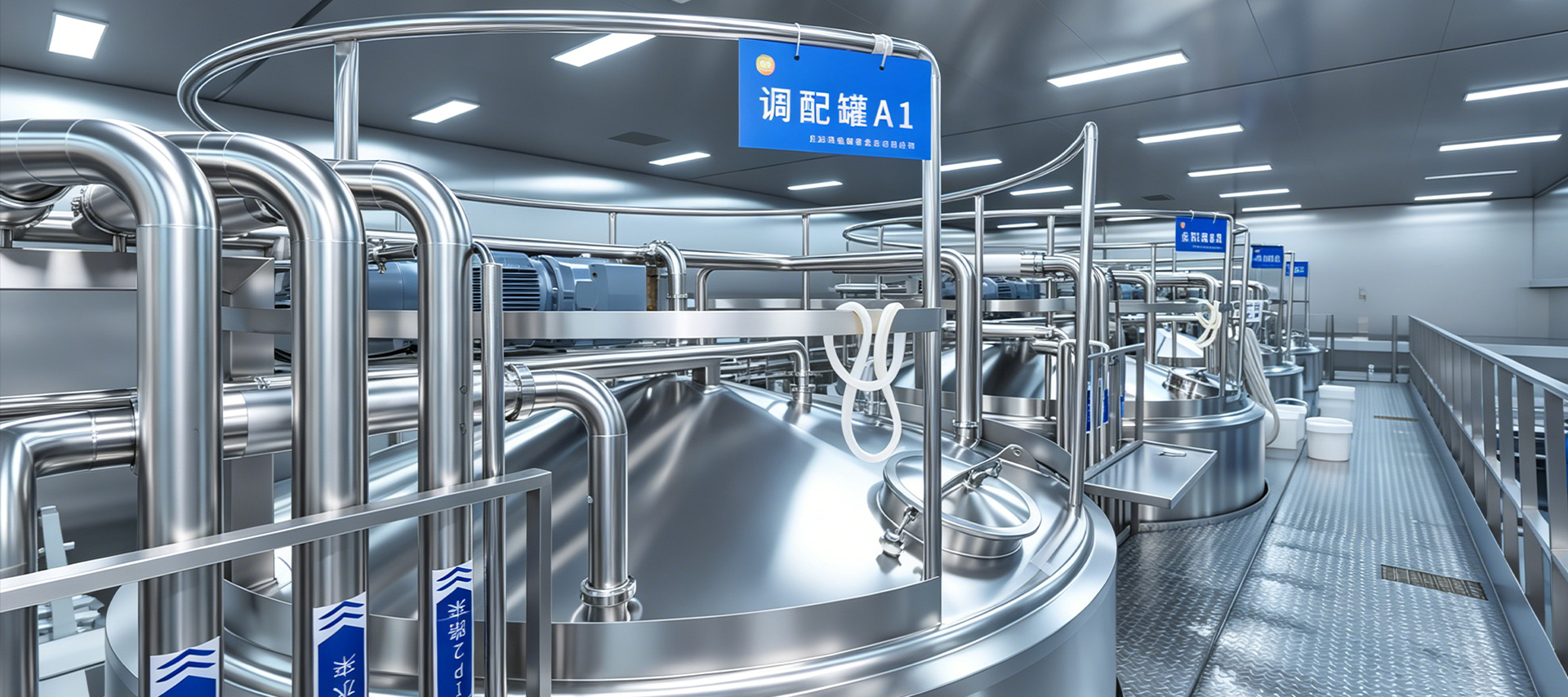
Minerals such as sodium chloride, potassium citrate, magnesium sulfate, and calcium lactate differ in solubility and often resist dissolving in cold water. A dedicated mixing stage with high shear is usually the first place where a production line succeeds or fails. Many turnkey plants include a high-shear emulsification mixing tank in the first stage to break down agglomerates and hydrate stabilizers without lumps, which reduces filtration problems later in the line.
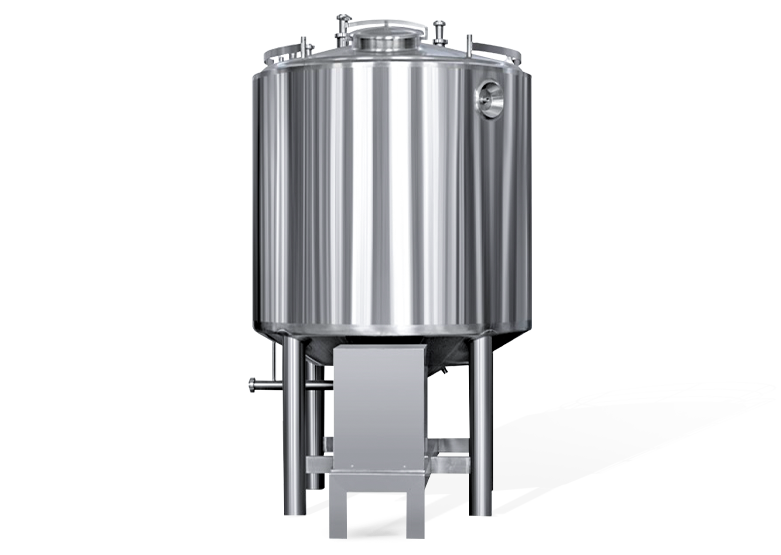 High Shear Emulsification Mixing Tank Suppliers, Custom Factory, Manufacturers -Yi Yang Fluid Tech is High Shear Emulsification Mixing Tank Suppliers, Customized High Shear Emulsification Mixing Tank Factory and Manuf...View Product →
Dissolved oxygen is an invisible enemy in electrolyte drinks. It accelerates the oxidation of vitamins, changes the color of certain minerals, and causes foam during filling. An integrated fully automatic degassing machine removes dissolved oxygen under vacuum and gives the line a consistent base for thermal treatment. This step is especially important for clear electrolyte drinks where bubble defects are visible in the package.
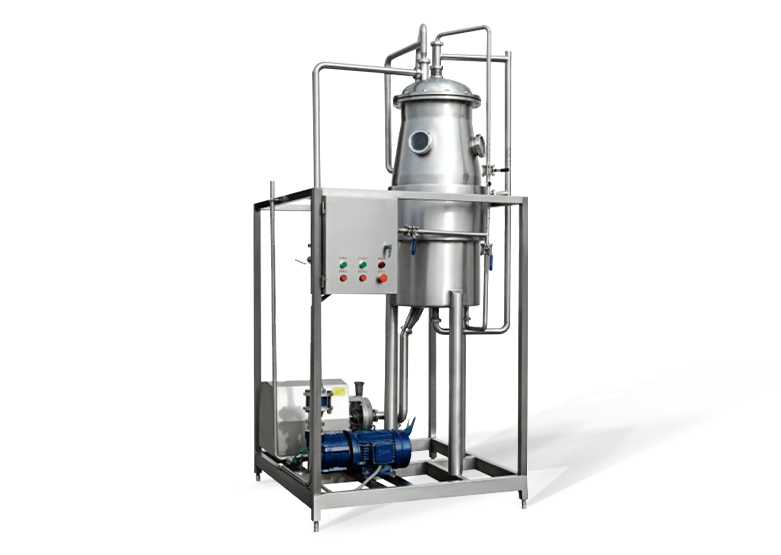 Full-Automatic Degassing Machine Suppliers, Custom Factory, Manufacturers - ShanYi Yang Fluid Tech is Full-Automatic Degassing Machine Suppliers, Customized Full-Automatic Degassing Machine Factory and Manufacturers i...View Product →
Electrolyte beverages can be cold-filled with preservatives or hot-filled after pasteurization. For most sports and functional beverages, a short high-temperature treatment is sufficient to control microorganisms without destroying sensitive vitamins. The process may be integrated with the filling machine to ensure a closed path between the sterilizer and the filler. At this stage, the production line must also handle product temperature, pressure, and flow rate precisely to avoid quality drift.
Because mineral salts leave scale and organic residues in pipes and tanks, a CIP cleaning system is not optional. It circulates caustic, acid, and rinse water through the line without dismantling the equipment, protecting both food safety and flavor consistency. An electrolyte line that changes between isotonic and hypertonic versions benefits from a well-designed CIP sequence that prevents cross-contamination.
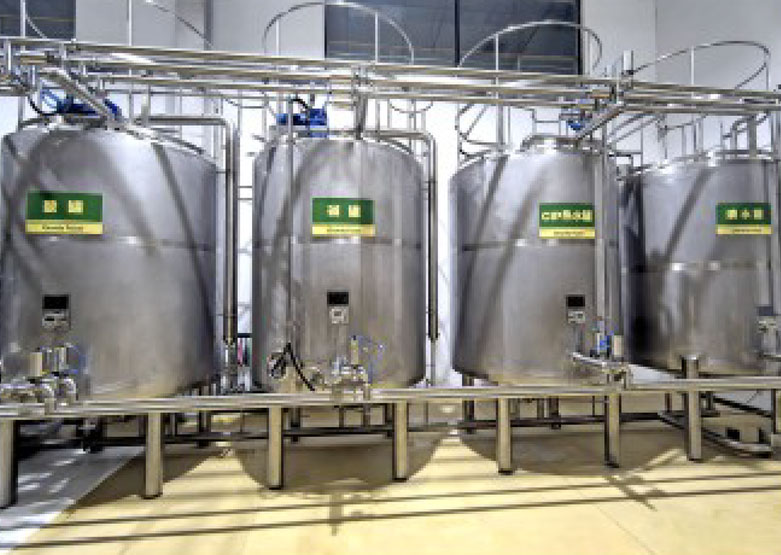 CIP Cleaning System Equipments Suppliers, Custom Factory, Manufacturers - ShanghYi Yang Fluid Tech is CIP Cleaning System Equipments Suppliers, Customized CIP Cleaning System Equipments Factory and Manufacturers in Ch...View Product →
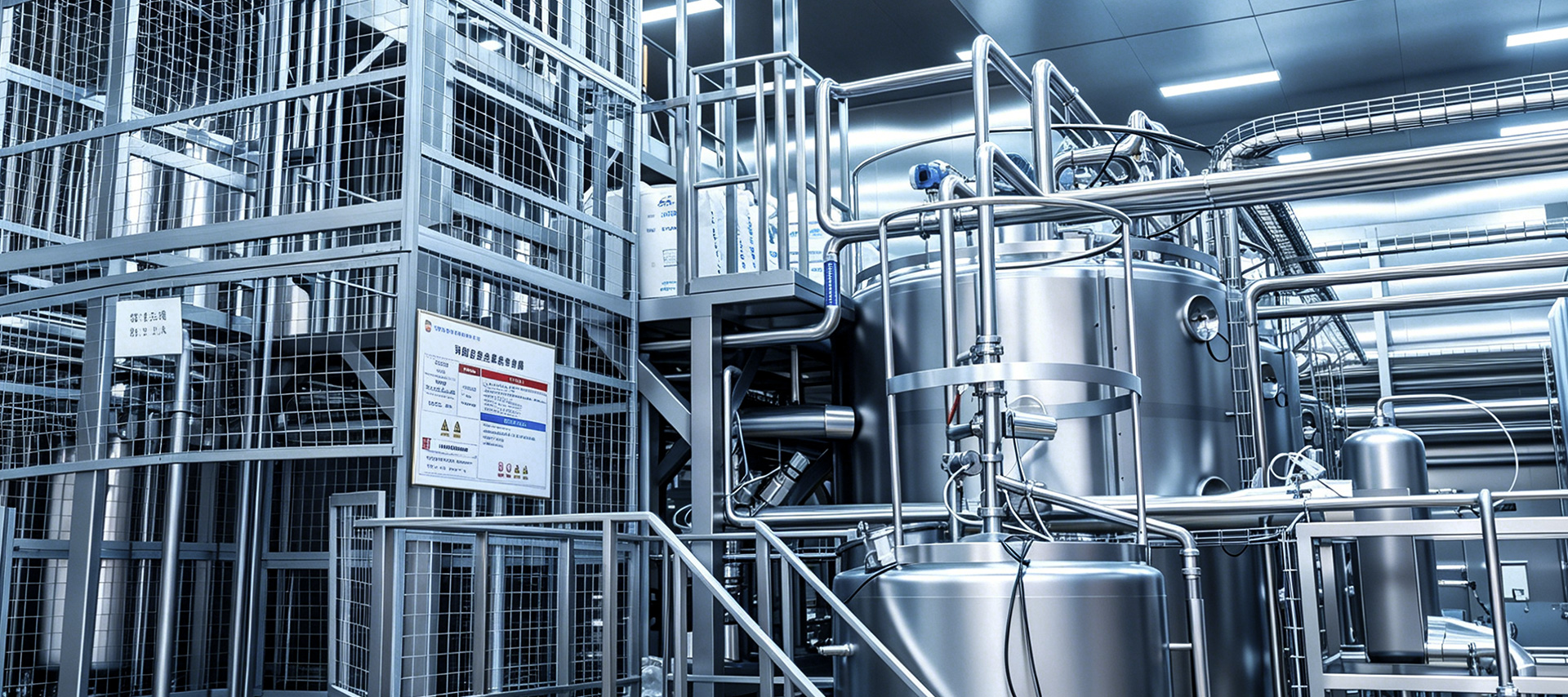
At this point, one important question is whether to purchase individual machines or a fully engineered line. For small producers, single machines can be pieced together, but the risk of hidden bottlenecks and incompatible controls grows quickly. For most medium and large projects, a complete electrolyte beverage processing production line can be designed as one integrated system, with process tanks, pumps, heat exchangers, deaeration, filling, and CIP sized to work as a single unit.
A turnkey supplier can help here. Instead of leaving the customer to handle interfaces between pumps and valves from different sources, an engineering team can specify the whole flow path, calculate pressure drops, select instruments, and generate the sequence logic that controls the line. This approach is particularly valuable when the product formulation is nonstandard or the plant has limited building space.
Moving from a successful pilot batch to a full-scale electrolyte beverage line is rarely a linear process. The following problems appear repeatedly in real projects:
The pattern is clear: every potential issue is tied to how the line handles the product between unit operations. That is why a line designed with process knowledge can save months of troubleshooting. For unusual recipes, such as a high-protein electrolyte drink or a formulation with natural colors, a nonstandard customization service can adapt tank geometry, impeller speed, and piping layout to the specific mineral mixture.
The final and perhaps least obvious factor is project execution. A production line is not simply a collection of tanks and pumps; it is a sequence of process steps with defined temperatures, flow rates, residence times, and cleaning cycles. A turnkey engineering approach brings these elements together under one roof.
When selecting a partner, consider these questions:
A tested engineering service can reduce the risk of delays and cost overruns. From initial process design to mechanical installation, a strong partner will make the electrolyte beverage production line a tool for business growth rather than a maintenance burden. In practice, the best way to evaluate a supplier is to ask for a process flow diagram that includes tank volumes, pump capacities, heat exchanger duty, and CIP flow requirements. The answer will quickly show whether they understand electrolyte beverage production.
Electrolyte beverages reward careful planning. The successful line is one that controls solubility, oxygen, heat, and cleaning. If you are starting a new project, focus first on the process design and equipment integration, and let the details of mixing, deaeration, sterilization, and CIP shape the layout. That focus makes the difference between a drink that performs in the lab and a line that performs in the market.

Contact Details
Production Address: No. 9188 Chuannan Fenggong Road, Fengxian District, Shanghai
Office Address: Room 603, Building 57, No. 260 Maoyuan Road, Fengxian District, Shanghai
TEL: 86-18221904658
E-mail: [email protected]

Quick Link

Request Custom Quote Need Something Special? We're Here To Help.
 English
 русский
 Français
 Español
 عربى
 Indonesia