Content
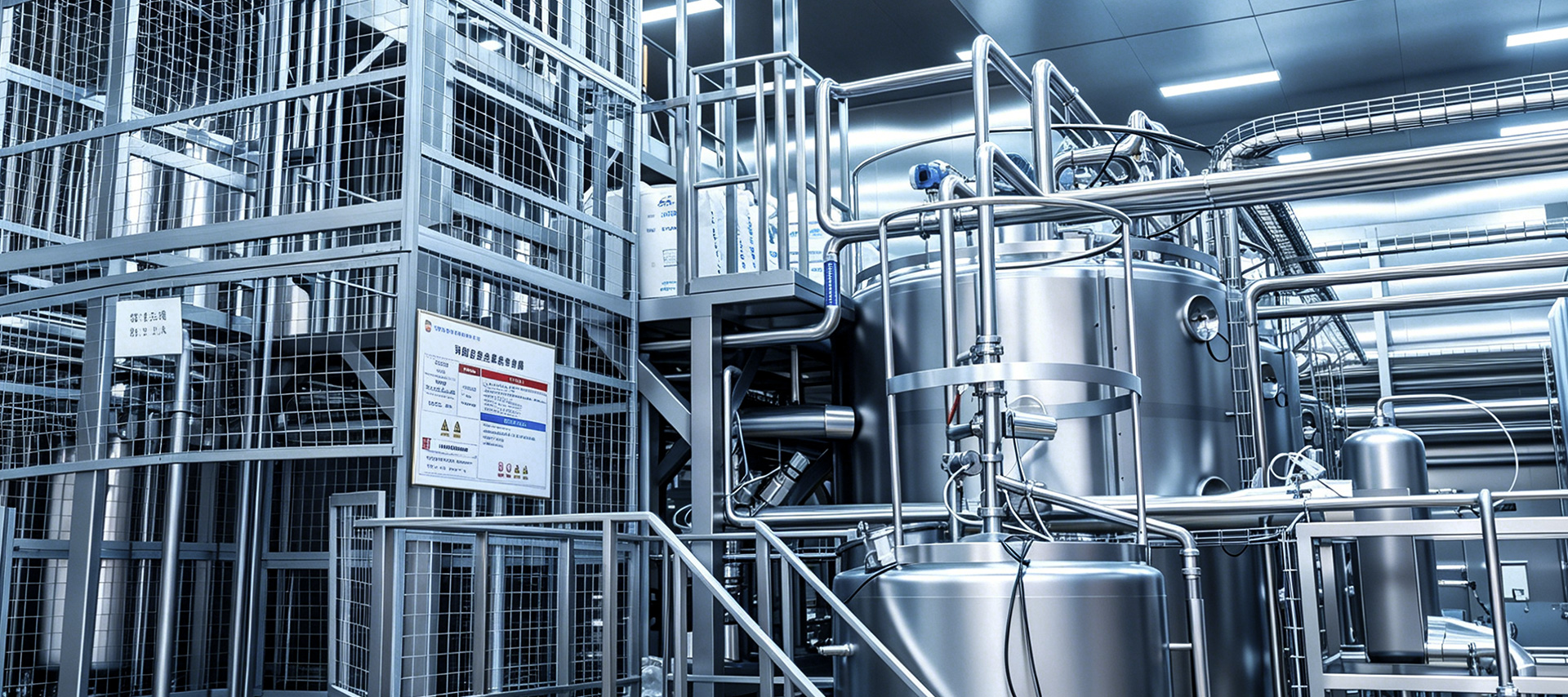
Suppose you run a small berry processing plant and receive a delivery of fresh strawberries. By the end of the shift, those berries should become a smooth, consistent puree packed into drums or aseptic bags. The equipment that makes this possible is not a single pulper, but a coordinated berry puree processing production line.
A production line designed for fruit puree is a sequence of mechanical and thermal steps: sorting, washing, milling, pulping, pasteurizing, and filling. Each step must balance two priorities: preserving the fruit's color, flavor, and structure, and maximizing yield while meeting hygienic requirements. A line that is poorly arranged will cause losses at every transfer point and force operators to make compromises between texture and output.
That is why the best starting point is not a piece of equipment, but a line concept built on sound process engineering. If you understand the stages and the decisions behind them, you are better prepared to choose equipment that fits your fruit, your final product, and your plant layout.
A typical berry puree processing production line follows a similar sequence regardless of berry variety. Fresh berries are first cleaned and sorted. They are then crushed or milled to break the cell structure, often before a short heat treatment. The heated fruit is passed through a pulping machine that separates the puree from seeds, skins, and stems. Depending on the product specification, the puree is then deaerated, pasteurized, cooled, and filled into containers that protect it from recontamination.
The main stages in a complete line are:
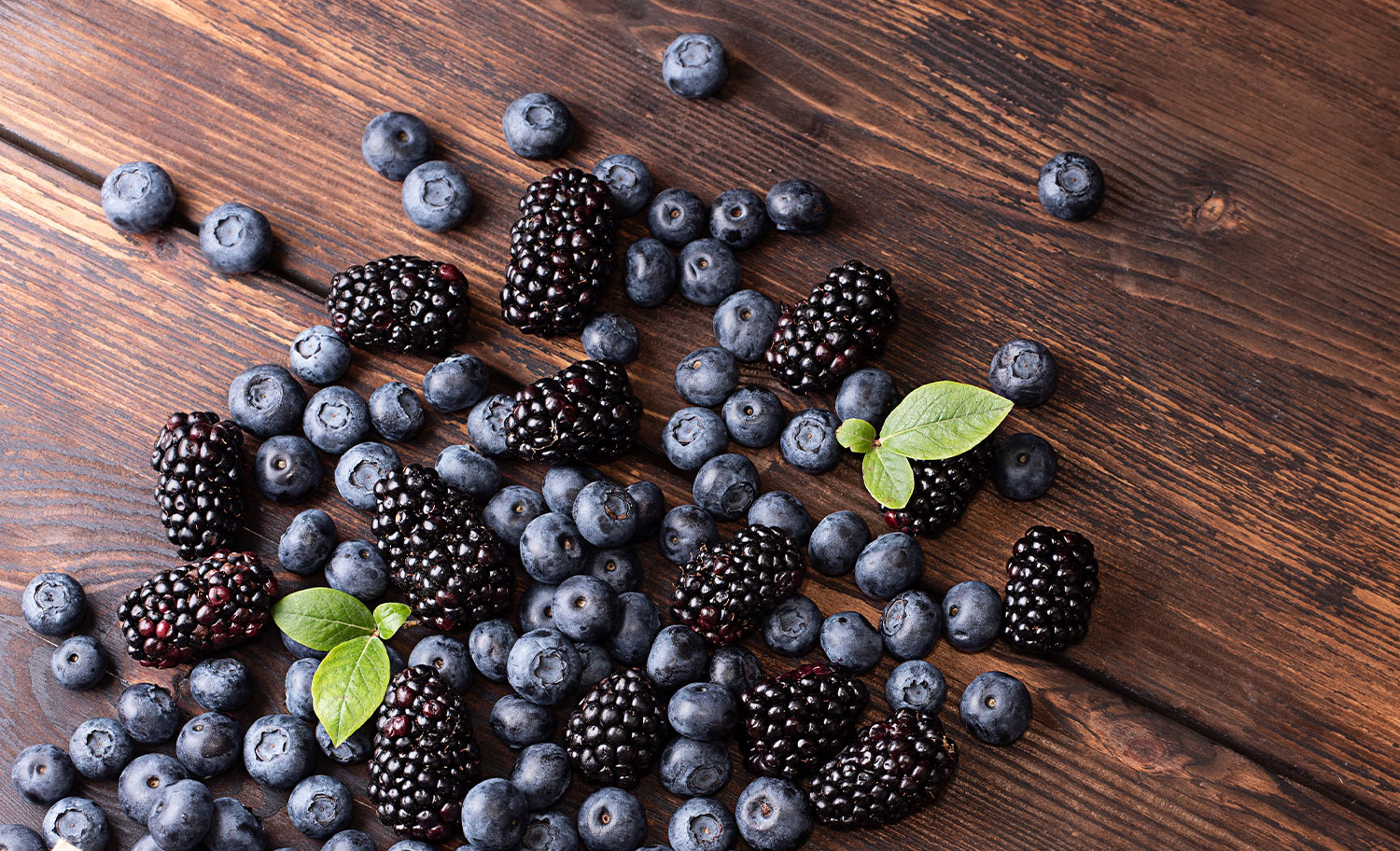
The exact configuration changes with berry type. Strawberry puree is often produced with a shorter heat treatment to preserve bright color, while blueberry puree may need more enzyme action and a finer screen to handle skins. The process line should therefore be treated as a design task, not a collection of generic machines.
Quality problems in puree usually start before the fruit enters the pulper. Rotten, under-ripe, or damaged berries contribute off-flavors and enzymes that destabilize the puree. Sorting removes these fruit before washing, which is especially important when raw material varies across seasons.
Washing removes soil, pesticide residues, and microorganisms without damaging the berry surface. The equipment must be gentle enough for soft berries, but effective enough to avoid carrying contaminants into the pulper. Many lines use an industrial fruit and vegetable washing machine with adjustable water pressure and a feed conveyor that matches the sorting line.
 Vegetable & Fruit Washing Machine Suppliers, Custom Factory, Manufacturers - ShaYi Yang Fluid Tech is Vegetable & Fruit Washing Machine Suppliers, Customized Vegetable & Fruit Washing Machine Factory and Manufacturers...View Product →
After washing, excess water should be drained quickly. Wet berries enter the crusher with visible surface water, which can dilute the puree and reduce Brix. Consider how the line handles this transition when comparing suppliers.
Crushing breaks the berry skin and creates a mash that can be pumped into the next stage. For berries, a two-step approach is common: rough crushing, followed by a heated holding time. The heat softens the cell walls and helps enzymes separate the pulp from fibers.
Some recipes include a pectinase enzyme treatment at this stage. Pectin holds plant cells together, and breaking it down increases the juice and puree yield. The treatment is time and temperature dependent, so the holding tank needs a precisely controlled jacket and agitator.
The pulping machine is the heart of the line. It uses a rotating screen and a beating mechanism to press soft pulp through openings while retaining seeds, stems, and coarse skins. The screen size changes the final texture. A fine screen can remove seeds but lower yield; a coarse screen improves yield but leaves graininess. That is why descriptions of fruit and vegetable pulping machines often include interchangeable screens and adjustable rotor speeds.
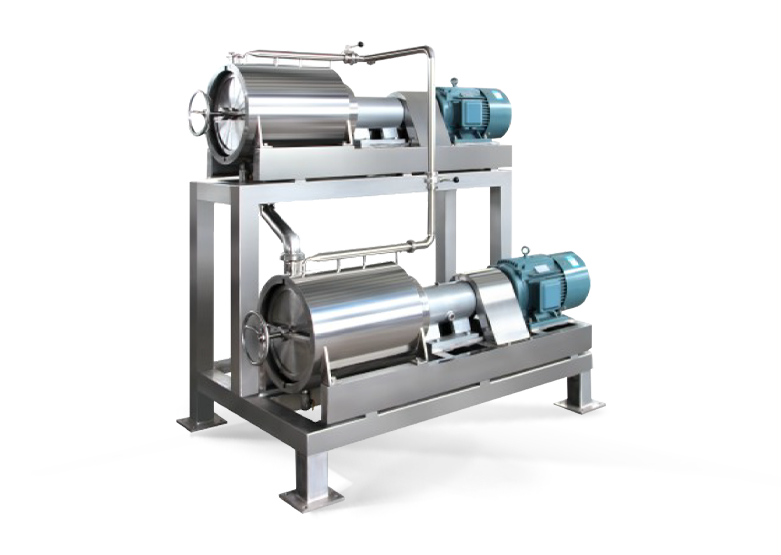 Fruit & Vegetable Pulping Machine Suppliers, Custom Factory, Manufacturers - ShaYi Yang Fluid Tech is Fruit & Vegetable Pulping Machine Suppliers, Customized Fruit & Vegetable Pulping Machine Factory and Manufacturers...View Product →
If the raw material includes stone fruits or firm berries, pitting and de-seeding equipment may be added ahead of the pulper. For most true berries, however, the pulper screen alone is enough to separate small seeds.
Pasteurization is the step that makes berry puree safe and stable. The puree must be heated above the target microorganism level, held at that temperature long enough, and then cooled quickly. Typical temperatures range from 85 to 95 degrees Celsius in a continuous heat exchanger, with a holding time of 15 to 60 seconds depending on the formulation and pH. The exact parameters should be validated for each product.
Puree can be filled hot into drums, or cooled and filled under aseptic conditions. Hot filling is simpler and works well for products sent immediately to another production line. Aseptic filling, often into bag-in-box or aseptic drums, allows puree to be stored at ambient temperature for months. The choice affects the line layout, cold storage requirements, and packaging cost.
Do not overlook the heating surface and pumping system. Berry puree is viscous and contains particles, so an unsuitable pump can crush fibers and produce a pasty texture. A scraped-surface heat exchanger is often used for highly viscous puree, while tubular exchangers may work for less fibrous varieties.
Different berries behave differently in the same line. The table below summarizes common process risks and the adjustments that can be made.
| Berry type | Common processing risk | Recommended line adjustment |
|---|---|---|
| Strawberry | Soft texture and bright color are easily lost | Short heating time, gentle conveying, low-shear pump |
| Blueberry | Thick skins and small seeds can reduce yield | Enzyme treatment and a finer pulper screen |
| Raspberry | High seed content and delicate structure | Low-speed pulping and separate seed removal |
| Blackberry | High acidity and variable raw material | pH monitoring and flexible pasteurization temperature |
A line that works well for strawberries may need significant modifications for blueberries. This is where non-standard fruit processing customization becomes valuable; rather than accepting a standard machine, you can adapt tank volumes, screen openings, and heat exchanger surfaces to the actual fruit.
When evaluating equipment, focus on yield, cleaning, and automation. Yield begins at the pulper but is also affected by transfer lines, tanks, and losses during pasteurization. A small difference of 2 to 3 percent yield can decide the profitability of the entire plant.
Cleaning is just as critical. A berry puree line that handles sticky, fiber-rich product must be designed for thorough CIP cleaning, with no dead ends in piping and tanks that can be fully drained. If the line is difficult to clean, microbial risk increases and uptime falls.
Automation should give operators clear control over process parameters. Recording pasteurization temperature, holding time, and filling flow is not just a convenience; it supports food safety audits and helps maintain consistent quality. Yet the line should remain simple enough for operators to understand and troubleshoot.
Finally, consider the line as a whole. Rather than connecting separate equipment from different suppliers, some buyers prefer a complete berry puree processing production line that is already integrated by one manufacturer. This approach simplifies project management and ensures that all components are designed to work together.
 Berry Puree Processing Production Line Suppliers, Custom Factory, Manufacturers Yi Yang Fluid Tech is Berry Puree Processing Production Line Suppliers, Customized Berry Puree Processing Production Line Factory and Man...View Product →
A successful berry puree production line is not defined by a single machine, because such a line includes all steps from sorting to filling and needs to account for each fruit's characteristics. The most productive plants are often those that make deliberate choices at every stage: raw material preparation, pulping, thermal treatment, and packaging. Whether you process a single variety or several, the goal is the same: turn perishable berries into a stable, valuable ingredient without wasting the fruit's natural quality.

Contact Details
Production Address: No. 9188 Chuannan Fenggong Road, Fengxian District, Shanghai
Office Address: Room 603, Building 57, No. 260 Maoyuan Road, Fengxian District, Shanghai
TEL: 86-18221904658
E-mail: [email protected]

Quick Link

Request Custom Quote Need Something Special? We're Here To Help.
 English
 русский
 Français
 Español
 عربى
 Indonesia