Content
Suppose your energy drink formula is already validated in the laboratory: 32 mg of caffeine per 100 ml, 400 mg of taurine per serving, a B-vitamin blend, and a finished pH of 3.2. The formula works on a bench scale. The real question is whether it will survive a production line running at thousands of bottles per hour. The answer depends less on the recipe itself and more on how the energy drink processing production line is designed, integrated, and operated. In project after project, brands succeed or struggle for exactly this reason: the ones that scale reliably treat the production line as part of the product development process, not as an afterthought.
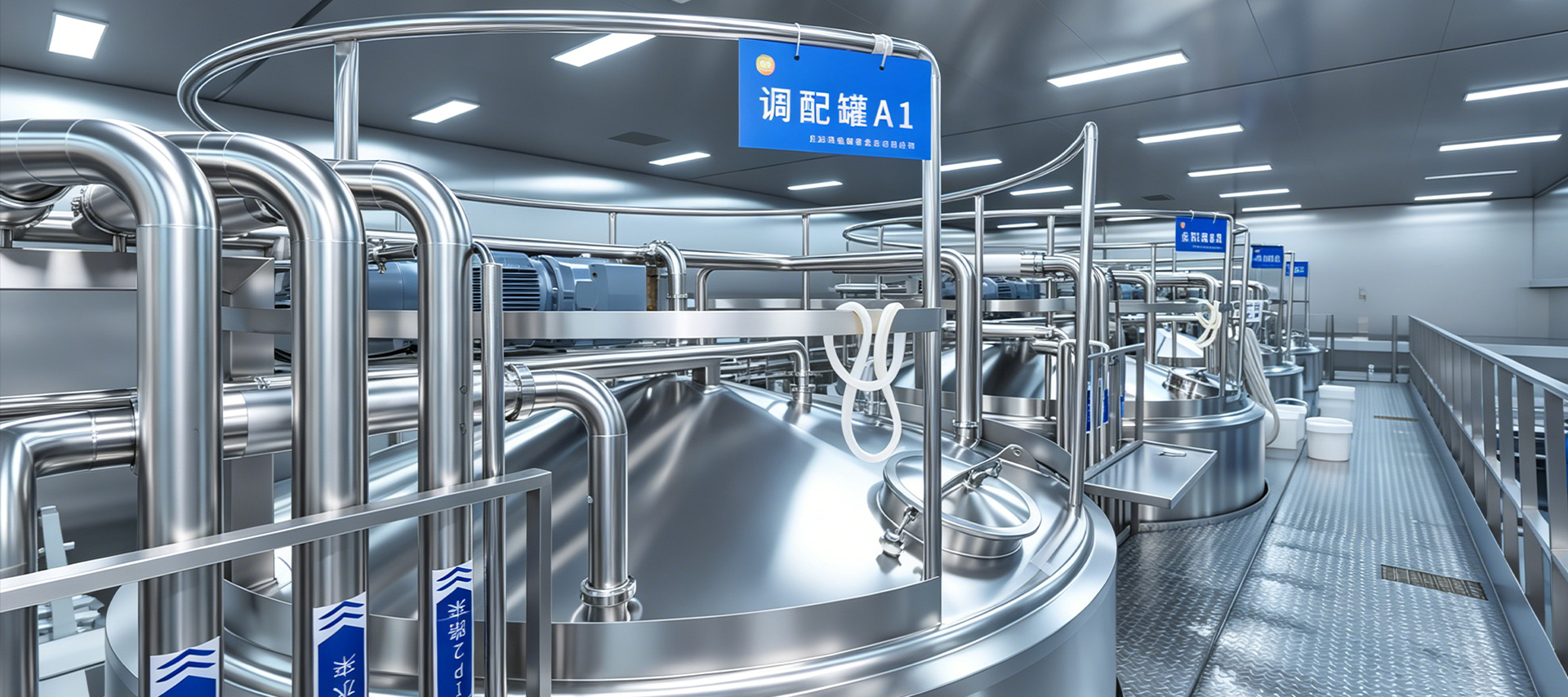
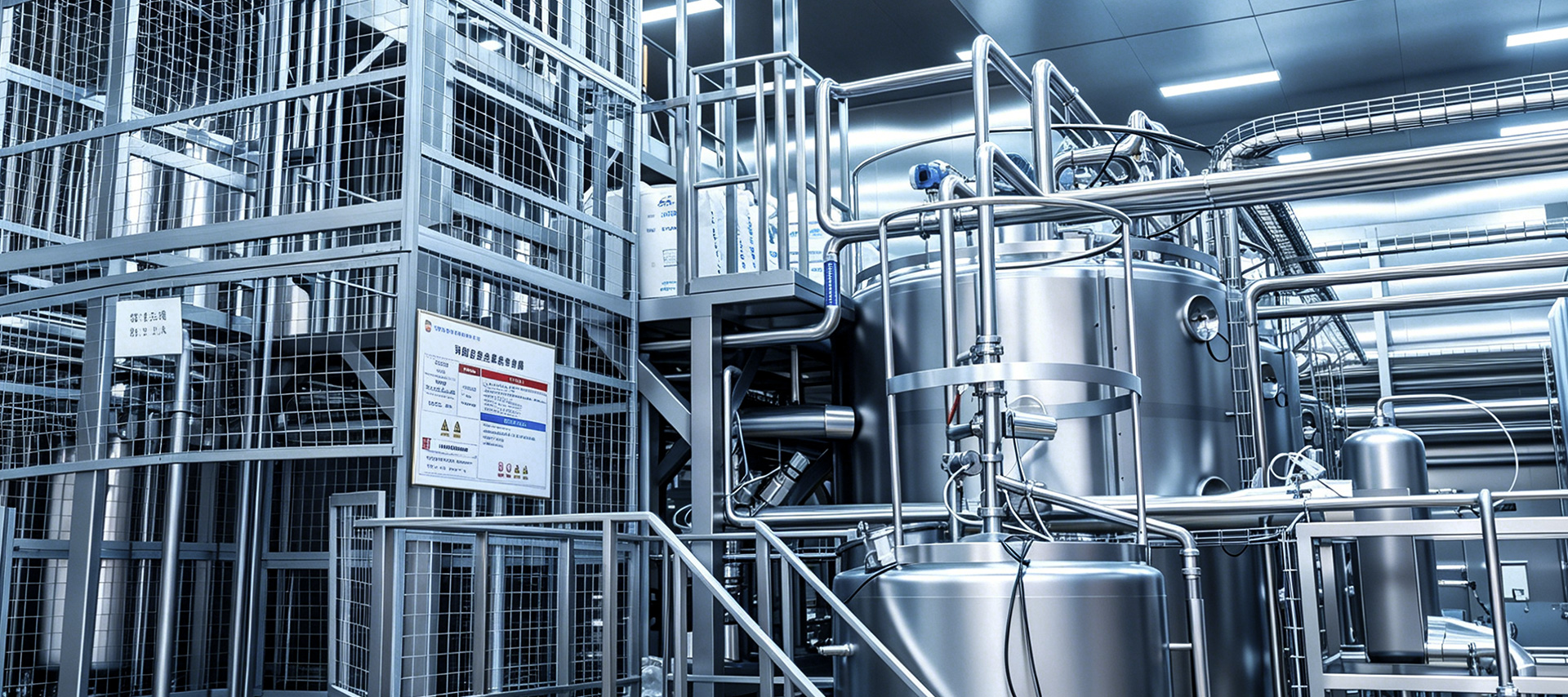
An energy drink processing production line is a sequence of unit operations that converts water, caffeine, taurine, sweeteners, acids, preservatives, and flavorings into a stable, safe, and uniform beverage. Packaging formats vary - cans, PET bottles, glass bottles - but the core process follows a defined logic across plants.
A typical line runs through water treatment, batching and mixing, deaeration, filtration, heat treatment, filling, and then either in-line pasteurization or pasteurization of the sealed package. For carbonated energy drinks, CO2 injection is integrated upstream of the filler. Each stage protects the product in a specific way, and skipping one stage usually shows up later as a quality problem.
| Stage | Primary Function | Typical Consideration |
|---|---|---|
| Water treatment | Provides a consistent base water | TDS, hardness, and dechlorination affect flavor and stability |
| Batching and mixing | Dissolves caffeine, taurine, sweeteners, and acids | Powder addition point, shear level, and batch temperature |
| Deaeration | Removes dissolved oxygen | Protects B vitamins and reduces flavor oxidation |
| Filtration | Removes undissolved particles | Cartridge or plate filter installed before heat treatment |
| Heat treatment | Reduces microbial load | HTST at 85-95 °C for high-acid energy drinks |
| Filling | Transfers product into sealed containers | Hot-fill, aseptic, or ambient filling changes the whole downstream layout |
| Post-fill pasteurization | In-container pasteurization where required | Tunnel or spray design must match container geometry |
Caffeine dissolves readily in hot water, so most plants prepare a concentrated caffeine solution in a small side vessel before dosing it into the main batching tank. Taurine is heat-stable and can be added earlier in the process. B vitamins, in contrast, are sensitive to prolonged heat and light exposure; if your label claims high vitamin retention, you may need to dose them later in the process or keep heat exposure short. Acidic formulations also influence material selection: at a pH near 3.2, stainless steel wetted parts and seals must be specified for corrosion resistance.
Once the process sequence is fixed, the equipment list follows from it. Three modules deserve the most attention during planning: mixing, deaeration, and heat treatment. These are the stages where formulation problems most often turn into production problems.
The mixing stage is where a powder-heavy formula can fail first. Caffeine, taurine, and stabilizer blends tend to clump or float when added directly to cold water. A high shear emulsification mixing tank creates the hydraulic shear needed to disperse powders and oil-soluble ingredients quickly, producing a uniform base in a single vessel. For energy drink concentrates that include vitamins, flavors, or emulsion systems, the same tank can be used for the premix step before dilution.
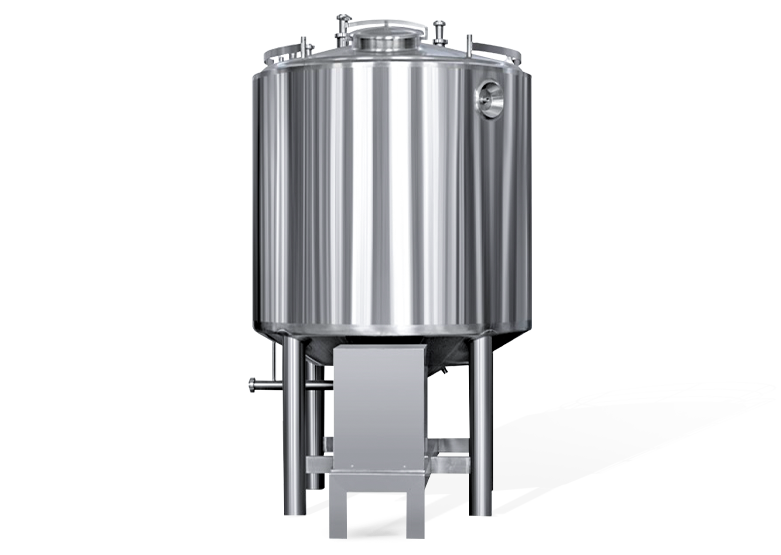 High Shear Emulsification Mixing Tank Suppliers, Custom Factory, Manufacturers -Yi Yang Fluid Tech is High Shear Emulsification Mixing Tank Suppliers, Customized High Shear Emulsification Mixing Tank Factory and Manuf...View Product →
In practice, a well-designed mixing module combines a center high-shear head with a slow sweep agitator. That combination prepares stable suspensions and emulsions without trapping air, which is exactly what powder-heavy energy drink recipes need.
Dissolved oxygen accelerates the degradation of ascorbic acid, certain B vitamins, and flavor compounds. A vacuum deaeration unit exposes a thin film of product to reduced pressure and strips dissolved oxygen down to very low levels. It also removes entrained air that would otherwise cause foaming at the filler. Our full automatic degassing machine is a standard module on functional beverage lines for exactly this reason: it protects both vitamin retention and the mouthfeel of the finished drink. After deaeration, a cartridge or plate filter captures undissolved particles before the product reaches the heat exchanger.
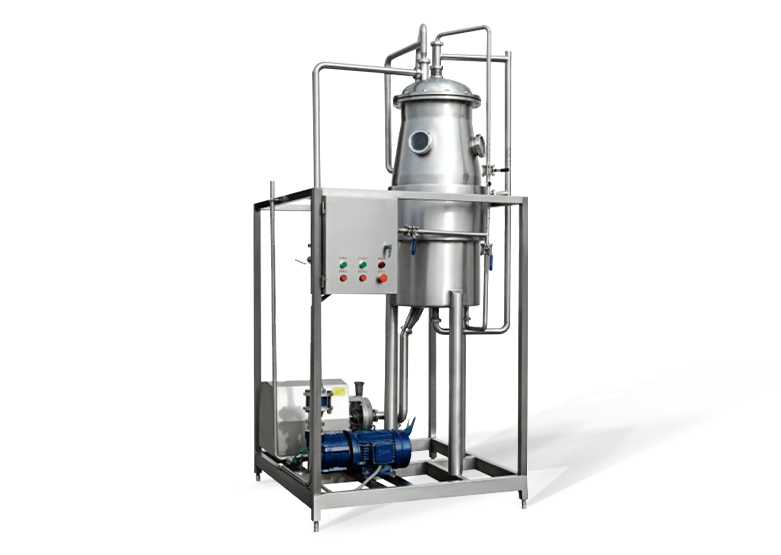 Full-Automatic Degassing Machine Suppliers, Custom Factory, Manufacturers - ShanYi Yang Fluid Tech is Full-Automatic Degassing Machine Suppliers, Customized Full-Automatic Degassing Machine Factory and Manufacturers i...View Product →
Because most energy drinks have a pH below 3.5, they are classified as high-acid products. Our sterilization system equipment can operate in HTST mode - typically 85-95 °C for 15-30 seconds - which is usually sufficient to achieve commercial sterility. Some producers choose hot filling at 80 °C or above, which extends shelf life and eliminates the need for a separate post-fill pasteurizer. Others prefer cold filling followed by tunnel pasteurization. Each option changes the filler specification, the container handling system, and the plant's energy balance. Carbonated products also require a counter-pressure filler to avoid CO2 loss during filling.
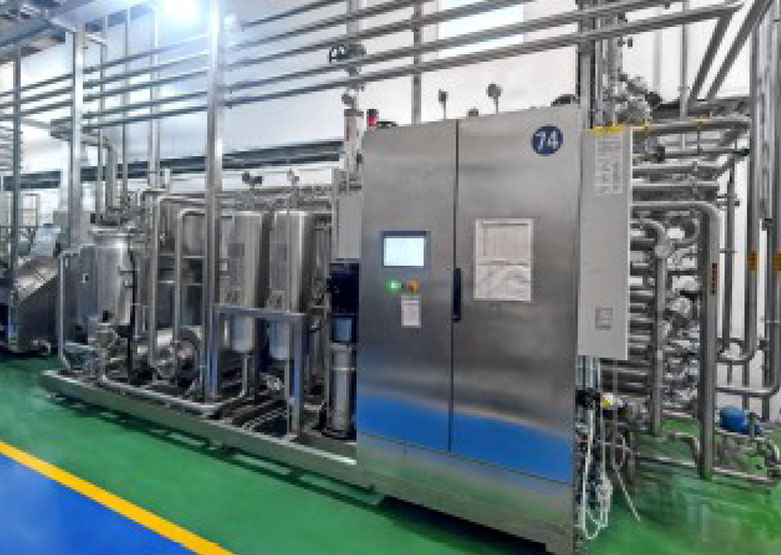 Sterilization System Equipment Suppliers, Custom Factory, Manufacturers - ShanghYi Yang Fluid Tech is Sterilization System Equipment Suppliers, Customized Sterilization System Equipment Factory and Manufacturers in Ch...View Product →
Whatever the heat profile, the line must be cleanable. An automated CIP cleaning system circulates caustic and acid solutions through tanks, heat exchangers, and fillers without disassembly, and modern lines integrate the CIP sequence into the line's automation logic. A clean line is the difference between a plant that produces consistently and one that fights contamination issues on every shift.
Most commissioning problems on energy drink lines are not exotic. They are predictable, and they can be designed out in advance if the supplier understands the product.
Energy drink formulations containing taurine, ginseng extracts, or certain flavors foam readily when agitated. Foam slows down filling and traps air that oxidizes vitamins. Vacuum deaeration solves most of this problem, but the mixing tank design matters as well: slow-speed sweep agitators combined with a submerged high-shear head are the most reliable configuration for keeping air out of the product.
Calcium from the base water can react with phosphate in vitamin premixes and form insoluble salts. The order of acid addition matters too: dosing preservatives and acids too quickly into a concentrated sugar or polyol solution can cause local precipitation. In practice, it is safer to dissolve acid and preservatives separately and dose them slowly. A visible haze in the finished drink is one of the most common complaints from retailers, and it is almost always preventable with the right process sequence.
Batch-to-batch variation usually traces back to three sources: inconsistent water quality, incomplete cleaning, or manual dosing errors. A properly designed line automates recipe dosing, monitors CIP parameters such as flow rate, temperature, and conductivity, and records them. Those records are also what food-safety auditors ask to see during an inspection.
The equipment itself is only part of the project. Process engineering capability, installation resources, and after-sales support determine how quickly the line reaches target output and how long it stays there.
A supplier that asks about your target Brix, pH, vitamin retention, and container type before quoting is a supplier that understands process engineering. If the supplier starts with a standard equipment list, the line will be built around the equipment instead of around your formula. That is an expensive way to learn. For atypical recipes, ask whether the supplier can provide custom-designed processing equipment matched to your specific production targets.
Most delays on beverage projects happen during installation, not during equipment manufacturing. Check whether the supplier provides mechanical and electrical installation, whether they commission the line with your actual product, and whether the handover includes operator training. For international projects, ask about documentation, language support, and remote troubleshooting procedures.
A production line typically has a useful life of ten to fifteen years, and the supplier relationship should last at least that long. Ask about spare parts availability, response times for service calls, and whether the automation software is maintained by the same team that installed it. Evaluate total cost over that period, not just the quoted price: energy consumption, CIP chemical usage, filler efficiency, and changeover time have a larger financial impact than the initial equipment difference.
A reliable energy drink processing production line is the result of a few decisions made early: matching the process sequence to the formulation, selecting equipment that can handle powders, dissolved gases, and acidic products, and choosing a supplier with real integration experience. If you are planning a new facility or upgrading an existing filling hall, start by reviewing the process flow rather than the price list. For a closer look at how a complete line is configured for this category, review our energy drink processing production line. The same engineering approach applies across the functional beverage portfolio, including electrolyte beverage processing lines, where dissolved solids, acidity, and vitamin stability create the same design pressure.

Contact Details
Production Address: No. 9188 Chuannan Fenggong Road, Fengxian District, Shanghai
Office Address: Room 603, Building 57, No. 260 Maoyuan Road, Fengxian District, Shanghai
TEL: 86-18221904658
E-mail: [email protected]

Quick Link

Request Custom Quote Need Something Special? We're Here To Help.
 English
 русский
 Français
 Español
 عربى
 Indonesia