Content
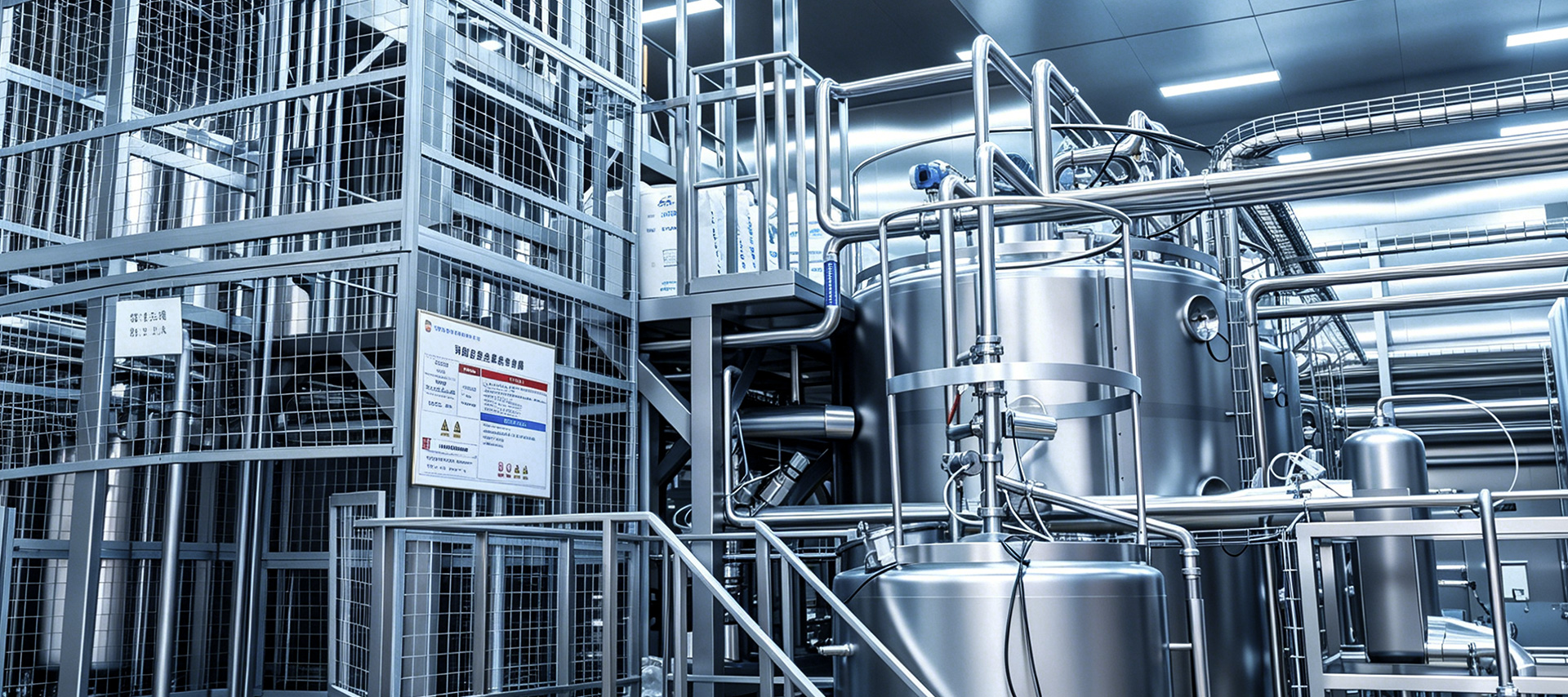
The most common mistake in beverage plant planning is treating a functional drink as a standard soft drink with an extra dosing pump. It is not. Functional beverages carry vitamins, minerals, electrolytes, amino acids, probiotics, or botanical extracts in small, carefully controlled doses, and most of those active ingredients are damaged by heat, oxygen, light, or excessive shear. That single fact changes equipment selection from the mixing tank to the filler. A functional beverage processing production line must be designed around the fragility of its ingredients; otherwise the finished product loses the very benefits it claims on the label. The real question is not how fast the filler runs, but whether the line protects the ingredients that make the product worth buying.
A functional beverage processing production line is an integrated sequence of water treatment, dosing, mixing, thermal treatment, filling, and packaging modules, but its design logic is set by three factors:
The practical result is a line that combines precise metering, short high-temperature exposure, oxygen control, and automated cleaning. That is a different machine from a conventional juice or carbonated soft drink line, even though the outer layout looks similar.
Every functional beverage line follows the same basic route, but the equipment inside each stage decides whether the finished drink keeps its claimed benefit and a stable shelf life.
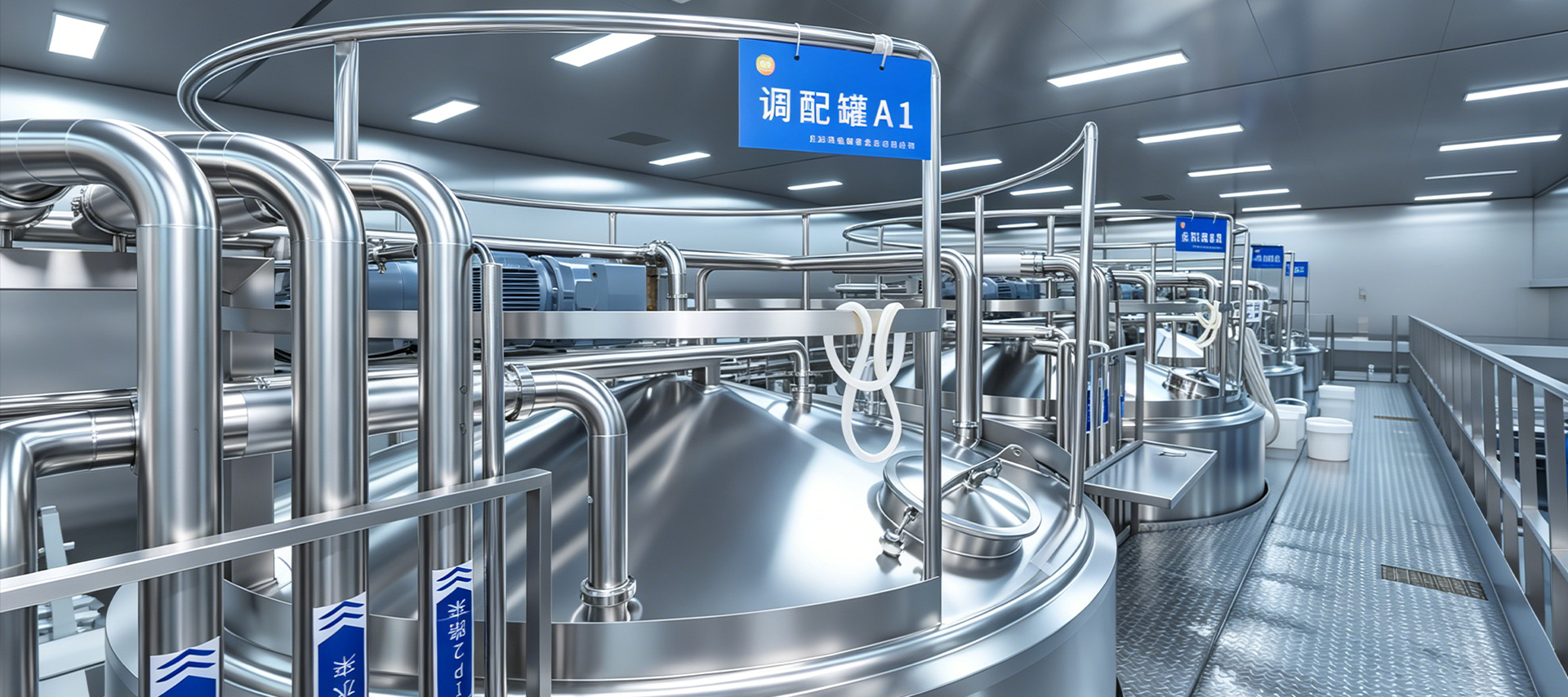
Most functional formulas start with treated water, sweeteners, acidulants, stabilizers, and the active compounds. The mixing stage has to dissolve or disperse each component evenly, and the smallest deviation shows up in taste profiles and laboratory results. High-shear mixing is the standard answer for emulsions and for rehydrating powders, while load cells and mass flow meters ensure that each ingredient enters at the programmed weight. For producers working with emulsions, protein fortification, or thick bases, agitation equipment deserves particular attention. A high-shear emulsification mixing tank combines heating, blending, and homogenization in one vessel, which shortens batch time and removes the transfer steps where a sensitive ingredient can be lost.
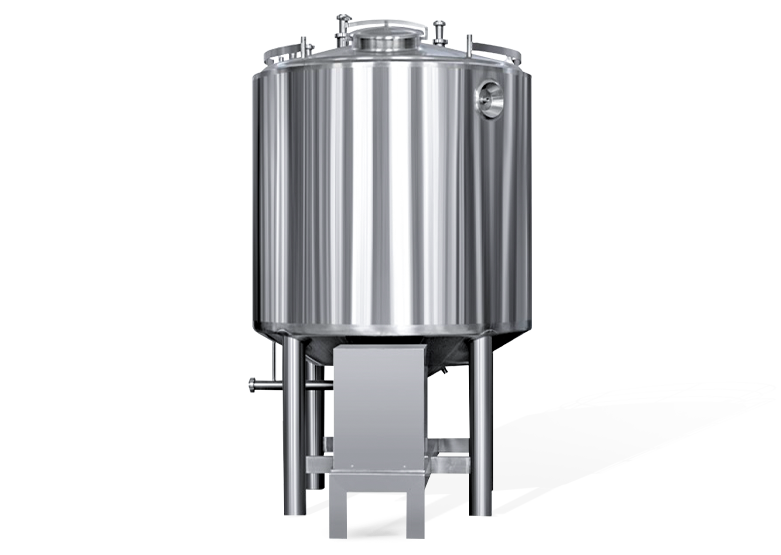 High Shear Emulsification Mixing Tank Suppliers, Custom Factory, Manufacturers -Yi Yang Fluid Tech is High Shear Emulsification Mixing Tank Suppliers, Customized High Shear Emulsification Mixing Tank Factory and Manuf...View Product →
Heat is the most stressful stage for functional beverages. Conventional pasteurization and UHT treatment eliminate microbes, but they also degrade vitamins, denature proteins, and change the flavor of herbal extracts. The practical workaround combines several measures:
The sterilization module therefore has to match the product's real characteristics. A sterilization system equipment package can be configured for the required temperature profile, flow rate, and holding time of a given formula, which is why most plants prefer a supplier that engineers this stage instead of offering a generic heat exchanger.
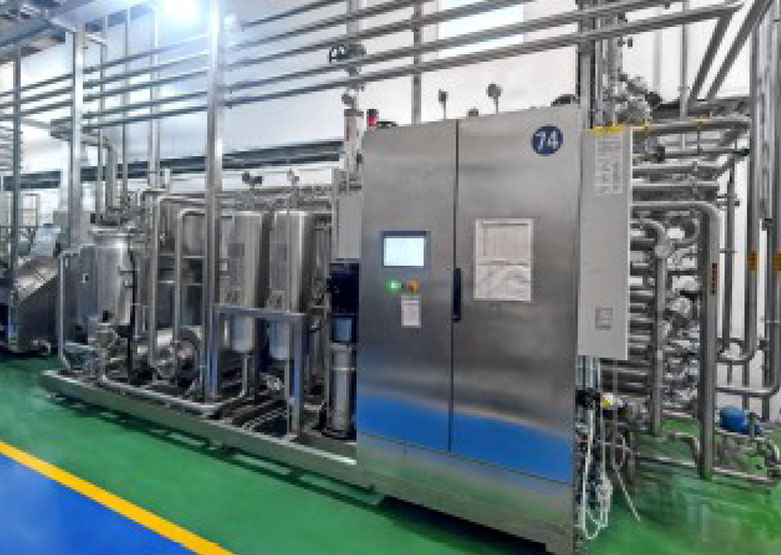 Sterilization System Equipment Suppliers, Custom Factory, Manufacturers - ShanghYi Yang Fluid Tech is Sterilization System Equipment Suppliers, Customized Sterilization System Equipment Factory and Manufacturers in Ch...View Product →
Dissolved oxygen accelerates the degradation of vitamin C, polyphenols, and other antioxidants, so a vacuum deaeration step is standard before filling. The filler must prevent recontamination: aseptic filling for sensitive shelf-stable products, hot filling for formulas that tolerate it, and clean filling for short-shelf-life items are the usual options. Around all of these, an automated CIP system washes tanks, pipes, and fillers without opening the line, which is the difference between consistent hygiene and recurring contamination risk.
| Stage | Typical Equipment | Main Risk to Manage |
|---|---|---|
| Water treatment | Reverse osmosis, UV disinfection | Mineral consistency and flavor neutrality |
| Dosing and mixing | High-shear mixer, load cell batching | Dose accuracy and even dispersion |
| Deaeration | Vacuum degassing unit | Oxidation of vitamins and botanicals |
| Thermal treatment | Plate or tubular sterilizer | Thermal degradation of active ingredients |
| Filling | Aseptic, hot, or clean filler | Recontamination and oxygen pickup |
| Cleaning | Automated CIP system | Residue, biofilm, and cross-contamination |
Equipment catalogs look similar online; the differences appear when the line is running. These five points separate a line that works on paper from one that works in production.
Functional ingredients are expensive and often effective at very low concentrations. The batching system should weigh or meter each component independently, log the actual quantities, and lock the recipe so operators cannot change it by accident. If a supplier cannot explain how the system prevents dosing errors, consider that a red flag.
Most functional beverage brands run more than one SKU, and many add products over time. Changeover speed depends on separate dosing lines, flush-in-place routines, and recipe management software. The same architecture used for an electrolyte beverage production line also works for an energy drinks production line, as long as the batching and cleaning modules are designed for quick switches between formulas.
Look for tanks and piping without dead legs, valves that drain completely, and a CIP sequence that reaches every wetted surface. Ask how the CIP circuit is validated and how long a complete wash cycle takes, because that number directly reduces available production time.
A line sized for today's demand with no room to grow becomes a constraint within a few years. Decide whether the plant will run one shift or three, whether more SKUs are planned, and whether a second filler or an extra storage tank can be added later without rebuilding the entire system.
A functional beverage line is an integration project, not a stack of machines. A supplier that can design the process flow, size every unit, install the equipment, and support it afterward removes the biggest risk: the gap between individual machines that were never designed to work together.
For most beverage companies, the practical decision is between buying individual machines from several vendors or commissioning the complete line from one experienced provider. The second approach usually wins when the formula is sensitive, the launch schedule is tight, or the plant has no internal process engineering team.
A turnkey scope typically covers process design, custom equipment manufacturing, system integration, mechanical and electrical installation, and commissioning. In practice, one team is responsible for making sure the sterilizer matches the mixing tank, the filling machine matches the bottle, and the CIP system matches all of them. That responsibility is exactly what an engineering service team carries on a beverage project, from line layout to utility connections and start-up support.
For companies that want a single integrated configuration, a dedicated functional beverage processing production line covers the full sequence, from water treatment and batching to deaeration, sterilization, filling, and packaging, and can be adapted to related categories such as vitamin beverages.
 Functional Beverage Processing Production Line Suppliers, Custom Factory, ManufaYi Yang Fluid Tech is Functional Beverage Processing Production Line Suppliers, Customized Functional Beverage Processing Production Line...View Product →
A functional beverage processing production line is a precision food-engineering system, not an off-the-shelf beverage line. The winning approach is to define the formula's sensitivity profile first and then select equipment around it: precise dosing, gentle but effective thermal treatment, oxygen control, and CIP that keeps the entire line hygienic between batches. Buyers who focus on those fundamentals, and on the supplier's ability to engineer and install the complete system, consistently get shorter start-up times and fewer batch failures than those who compare machines one by one.

Contact Details
Production Address: No. 9188 Chuannan Fenggong Road, Fengxian District, Shanghai
Office Address: Room 603, Building 57, No. 260 Maoyuan Road, Fengxian District, Shanghai
TEL: 86-18221904658
E-mail: [email protected]

Quick Link

Request Custom Quote Need Something Special? We're Here To Help.
 English
 русский
 Français
 Español
 عربى
 Indonesia