English
 русский
 Français
 Español
 عربى
عربى
 Indonesia





Pasteurized Milk Production Line Factory
-- Steady & Reliable Manufacturer --
Product Overview
Our Pasteurized Milk Production Line is a complete, hygienic turnkey solution for the efficient processing of fresh, short-shelf-life dairy products. Using High-Temperature Short-Time (HTST) pasteurization technology, the line heats raw milk to 72–85°C for 15–30 seconds to destroy pathogenic microorganisms while preserving natural flavor, beneficial enzymes, and nutritional value. The result is fresh pasteurized milk with a refrigerated shelf life of 7–21 days — the premium choice for consumers seeking minimally processed, farm-fresh dairy. Fully automated and constructed in food-grade SS 316L, the line suits dairy farms, regional milk plants, and large-scale processing enterprises alike.
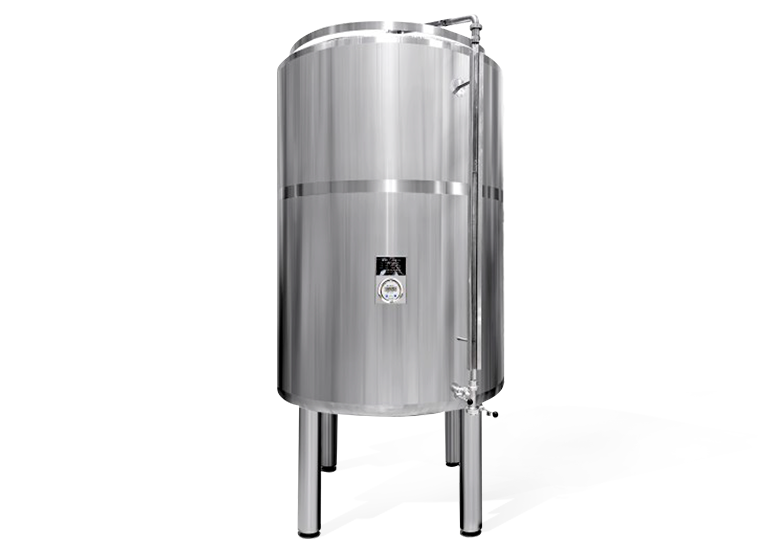
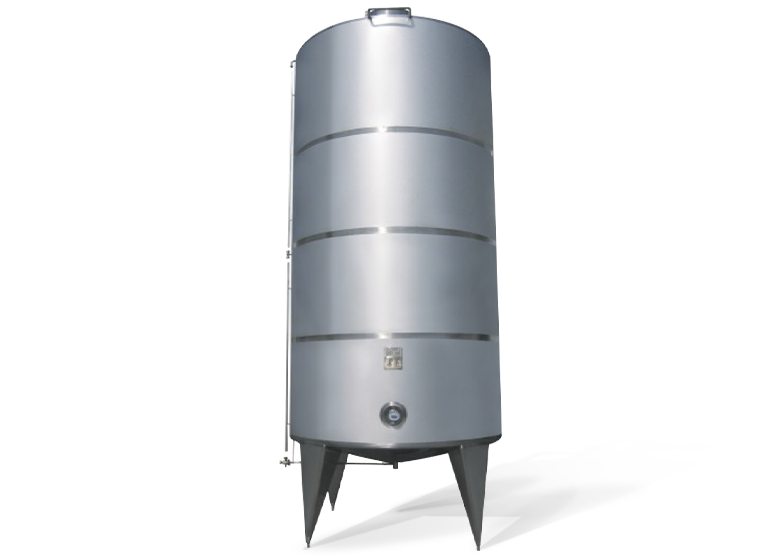
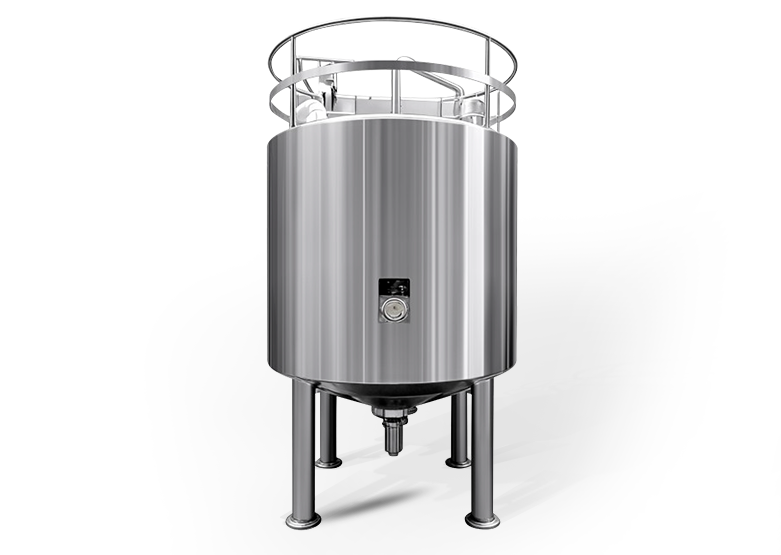
Single Machines
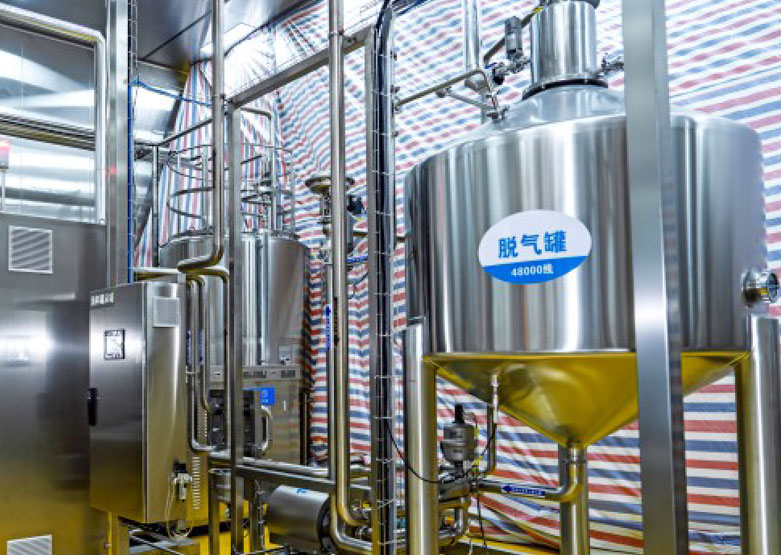
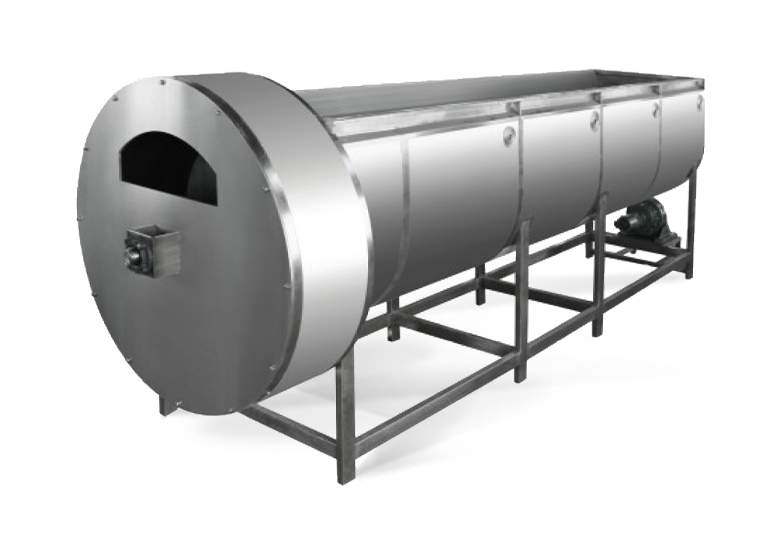


Technical Specification Sheet
| Parameter | Detail |
|---|---|
| Processing Capacity | 200 L/h – 30,000 L/h (customizable) |
| Pasteurization Temperature | 72–85°C, holding time 15–30 seconds (HTST) |
| Homogenization Pressure | 150–200 bar (two-stage homogenizer) |
| Heat Recovery Rate | ≥80% thermal energy recovery |
| CIP Cleaning System | Fully automatic; alkali, acid, and rinse cycles |
| Automation Level | PLC control with HMI; continuous temperature recording |
| Wetted Parts Material | SS 316L; electropolished product-contact surfaces |
| Applicable Products | Whole, skim, standardized milk, flavored milk, goat milk, camel milk |
| Packaging Formats | Plastic bottles, glass bottles, HDPE pouches, carton-compatible fillers |
| Certification | CE, ISO 9001, HACCP-compliant design |
Key Features
- HTST plate heat exchanger provides precise temperature control within 0.5°C, guaranteeing consistent pasteurization efficacy across all production volumes.
- Integrated regenerative heat recovery pre-heats incoming cold milk using outgoing hot pasteurized milk, recovering over 80% of thermal energy and reducing steam consumption dramatically.
- Automatic flow diversion valve (FDV) redirects under-temperature milk back to the balance tank instantly — a critical food safety safeguard ensuring no sub-pasteurized product ever reaches downstream filling.
- High-pressure two-stage homogenizer prevents cream separation and delivers smooth, uniform mouthfeel in every bottle.
- Fully automatic CIP system ensures rapid, chemical-efficient cleaning between production runs with no manual disassembly required.
Process Flow
- Raw Milk Reception & Cooling: Incoming raw milk is weighed, sampled for quality testing, filtered, and chilled to 4°C in insulated stainless steel storage silos to preserve freshness before processing.
- Standardization: Cream separation and inline fat standardization ensure every batch meets the target fat content specification — for example, 3.2% for whole milk or below 0.5% for skim milk — before further processing.
- Preheating & Homogenization: Milk is preheated to 60–65°C via the heat regeneration section, then passed through a two-stage high-pressure homogenizer (150–200 bar) to break fat globules and create a smooth, uniform texture that prevents cream separation on shelf.
- HTST Pasteurization: Milk is heated to 72–85°C and held for 15–30 seconds in a calibrated stainless steel holding tube. A flow diversion valve (FDV) automatically redirects any under-temperature milk back to the balance tank, ensuring no sub-pasteurized product ever reaches downstream equipment.
- Cooling & Buffer Storage: Pasteurized milk is rapidly cooled to 4°C using chilled water in the regenerative cooling section, then held in insulated balance tanks awaiting filling.
- Filling & Packaging: Cooled milk is filled into plastic bottles, HDPE pouches, or cartons under hygienic conditions, then sealed, labeled, date-coded, and palletized for refrigerated dispatch to retail.
Competitive Benefits
- Fresh-Taste Preservation: HTST technology applies the minimum heat necessary to achieve pathogen elimination, preserving heat-sensitive vitamins, natural enzymes, and the clean, fresh flavor that consumers strongly prefer over UHT milk in premium and health-oriented markets.
- Lower Capital Cost vs. UHT: No aseptic filling system or retort equipment is required, significantly reducing the initial investment compared to a full UHT line — making the pasteurized line the preferred entry point for new dairy operations and farm-based processors.
- High Throughput Efficiency: Continuous-flow HTST processing supports uninterrupted production up to 30,000 L/h with a compact plant footprint, a single operator per shift, and minimal downtime between runs.
- Multi-Product Flexibility: The same line processes cow milk, goat milk, camel milk, and flavored milk beverages with rapid product changeover fully supported by the automatic CIP system, maximizing facility utilization and product portfolio breadth.
- Smart Temperature Compliance: Continuous pasteurization temperature logging, automated FDV events, and timestamped batch records provide full documentary evidence of thermal process compliance for food safety audits, retailer requirements, and export market regulations.