Content
Multi-function food conveying equipment refers to conveyor systems designed to handle multiple stages of food processing within a single integrated line, such as transporting, sorting, washing, cooling, drying, and packaging. Unlike single-purpose conveyors that only move product from point A to point B, these systems combine mechanical, pneumatic, or hydraulic components to perform several tasks simultaneously, reducing the need for separate machines and manual handling steps.
This type of equipment is widely used in bakeries, meat processing plants, dairy facilities, and snack food manufacturing lines where efficiency, hygiene, and product consistency are critical. By consolidating multiple functions into one system, manufacturers can reduce floor space requirements, minimize product contamination risks, and streamline production workflows from raw material intake to final packaging.
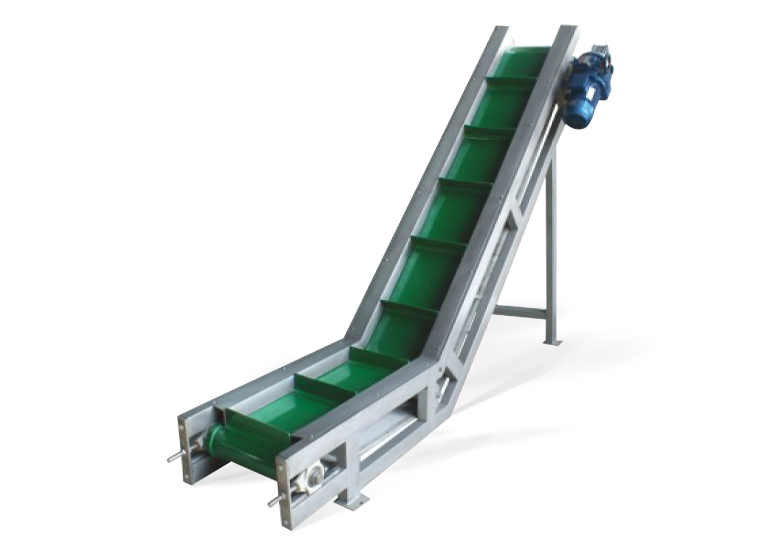
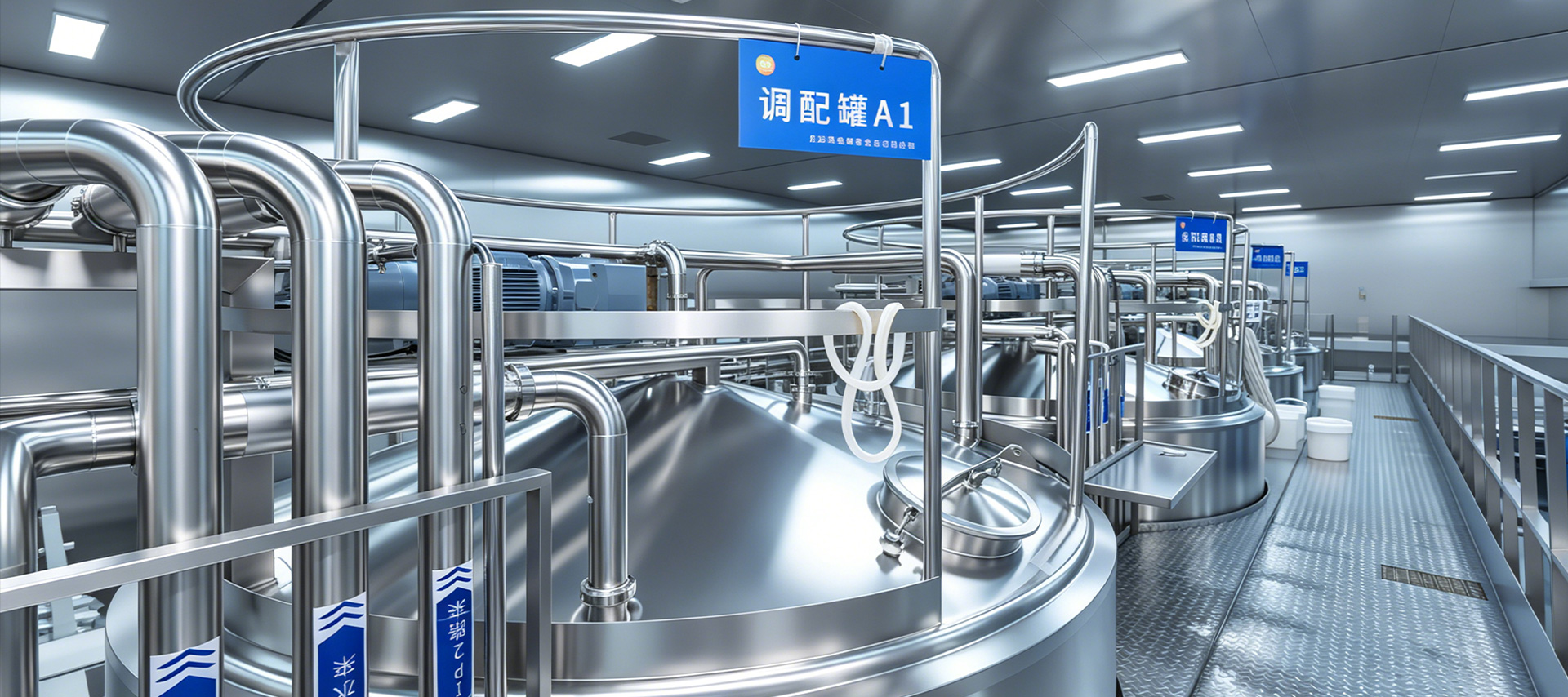
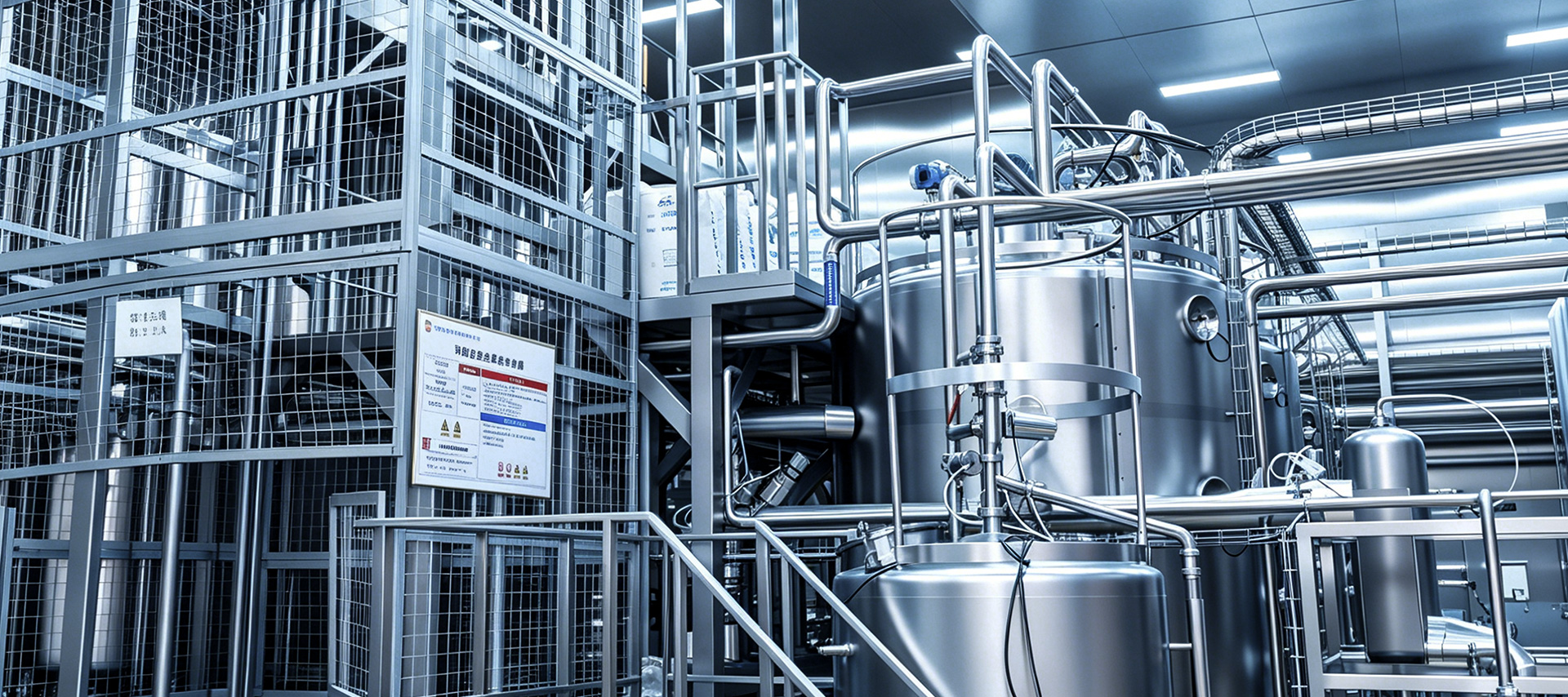
A multi-function conveying system typically integrates several modules along a single frame or connected series of frames. Understanding each component helps operators select the right configuration for their specific production needs.
The conveying surface, whether modular plastic belting, stainless steel mesh, or food-grade rubber, moves product through each processing stage. Variable speed drives allow operators to adjust throughput based on product type and downstream equipment capacity, ensuring smooth transitions between washing, sorting, and packing stations.
Many systems incorporate optical sensors, weight scales, or metal detectors directly into the conveying line, allowing defective or foreign-object-contaminated products to be automatically removed without stopping the entire production process.
Investing in multi-function conveying equipment offers measurable advantages over relying on multiple standalone machines. The table below summarizes the primary operational benefits.
| Benefit | Impact on Production |
| Reduced Labor Costs | Fewer manual handling points lower staffing requirements |
| Improved Hygiene | Fewer transfer points reduce contamination risk |
| Space Efficiency | Combined functions reduce overall floor space needed |
| Higher Throughput | Continuous processing increases output per shift |
These combined efficiencies often translate into a faster return on investment, particularly for facilities processing high volumes of perishable goods where speed and hygiene directly affect product quality and shelf life.
Multi-function conveying equipment is adaptable to a wide range of food production environments, each with unique handling requirements based on product characteristics.
Selecting appropriate multi-function conveying equipment requires careful consideration of product characteristics, production volume, and sanitation requirements specific to your operation.
Food-grade stainless steel, typically 304 or 316 grade, is essential for components in direct contact with food, offering corrosion resistance and easy sanitization. Belting materials should also meet FDA or equivalent food safety certifications to prevent chemical leaching or bacterial buildup.
Systems designed with open frames, removable belts, and washdown-rated motors simplify daily cleaning routines and help facilities comply with food safety regulations such as HACCP or FDA guidelines.
Regular preventive maintenance is essential to keep multi-function conveying systems running efficiently and to avoid unplanned downtime that can disrupt entire production schedules.
Daily inspections should include checking belt tension, lubrication levels on moving parts, and sensor calibration for sorting or inspection modules. Establishing a scheduled deep-cleaning routine, along with periodic professional servicing of motors and drive components, helps prevent premature wear and ensures consistent food safety compliance throughout the equipment's operational lifespan.

Contact Details
Production Address: No. 9188 Chuannan Fenggong Road, Fengxian District, Shanghai
Office Address: Room 603, Building 57, No. 260 Maoyuan Road, Fengxian District, Shanghai
TEL: 86-18221904658
E-mail: [email protected]

Quick Link

Request Custom Quote Need Something Special? We're Here To Help.
 English
 русский
 Français
 Español
 عربى
عربى
 Indonesia