Content
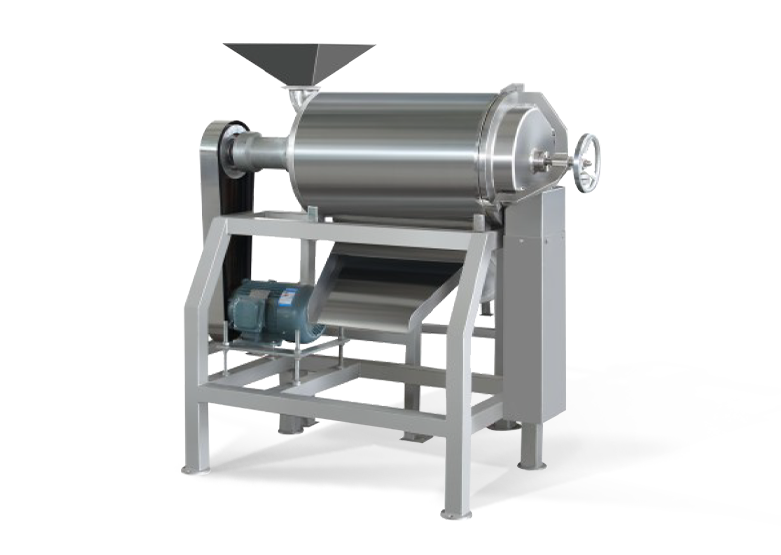
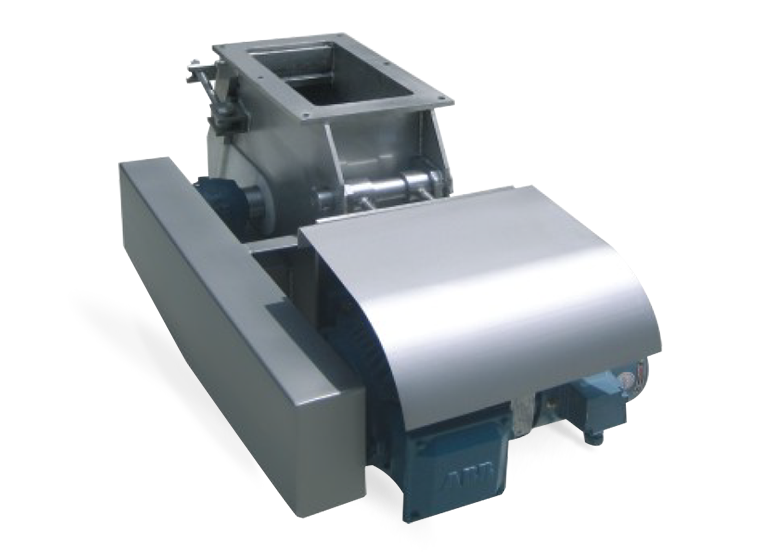
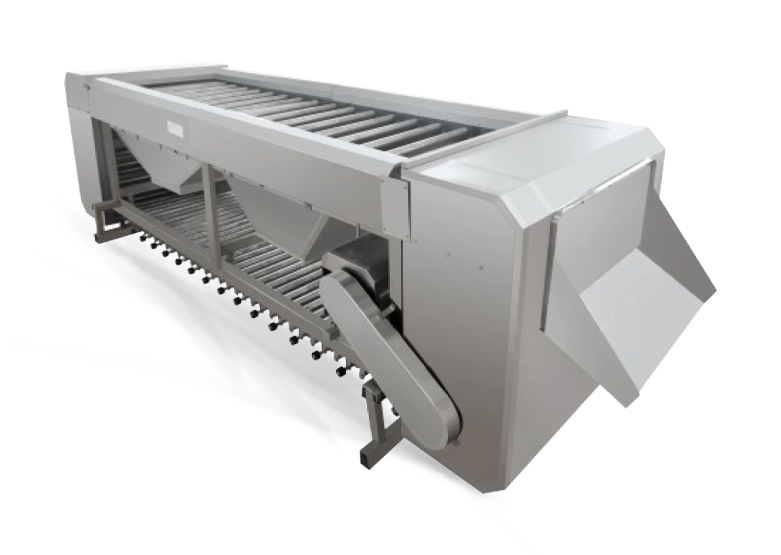
A fruit and vegetable pulping machine separates pulp, juice, and puree from skins, seeds, stems, and other unwanted solids, producing a consistent product used in juice manufacturing, baby food production, sauces, jams, and beverage concentrates. The machine typically works by softening or crushing raw produce, then forcing it through a perforated screen using paddles or beaters, which separates the usable pulp from fibrous waste. This process allows manufacturers to process large volumes of produce quickly while maintaining consistent texture and yield, which is difficult to achieve through manual processing.
These machines are used across a wide range of industries, from small-scale juice bars processing a few hundred kilograms per day to large industrial facilities handling several tons per hour. Understanding how the different components and configurations affect output quality helps buyers select equipment suited to their specific production goals.
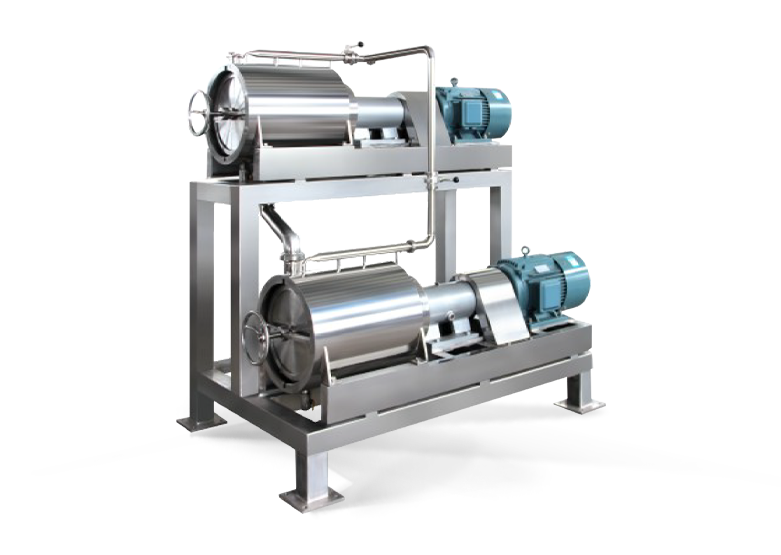
Most fruit and vegetable pulping machines follow a similar core process, though the specific mechanisms vary by machine type and manufacturer. Raw produce is first washed and sorted, then fed into the machine either whole or pre-cut, depending on size and firmness.
Inside the machine, rotating beaters or paddles press the produce against a perforated screen, breaking down cell structures and pushing the softer pulp through the screen openings while skins, seeds, and fibrous material are retained and discharged separately. Screen mesh size determines the final pulp texture, with finer screens producing smoother pulp suited for baby food or nectar production, and coarser screens producing chunkier pulp suited for sauces or preserves.
Many industrial pulping lines use a multi-stage configuration, where the initial coarse pulping stage is followed by one or two finishing stages using progressively finer screens. This staged approach maximizes yield by extracting additional usable pulp from the byproduct of the previous stage, reducing overall waste and improving raw material utilization.
Different pulping machine designs are suited to different produce types and production scales. Selecting the right type depends on the fruits or vegetables being processed and the desired throughput.
| Machine Type | Best Suited For | Typical Capacity |
| Single-stage pulper | Small batch or artisanal production | 100-500 kg/hour |
| Double-stage pulper/finisher | Mid-size juice and puree production | 500-2000 kg/hour |
| Triple-stage industrial line | Large-scale beverage and concentrate manufacturing | 2000+ kg/hour |
| Tomato/citrus specialized pulper | Seed and peel-heavy produce | Varies by model |
Choosing the right fruit and vegetable pulping machine requires evaluating several operational factors beyond capacity alone, since produce characteristics and hygiene requirements significantly affect equipment performance and longevity.
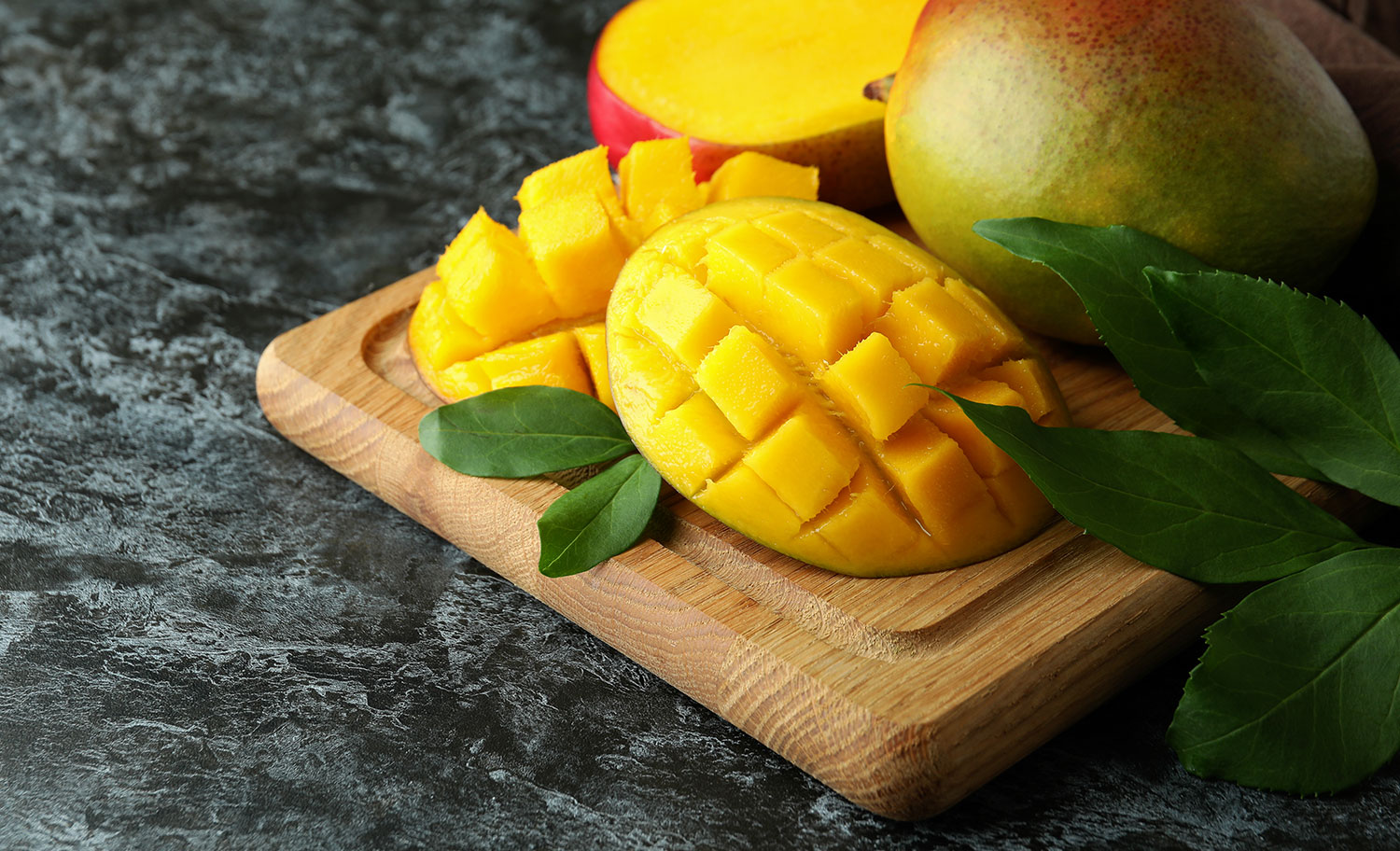
Fibrous produce such as mango or guava requires more robust beater assemblies and screens designed to handle higher fiber loads without clogging, while softer fruits like berries or tomatoes generally require gentler processing to avoid excessive seed breakage, which can introduce bitterness into the pulp. Buyers should confirm with manufacturers that a machine has been tested with their specific produce type before committing to a purchase.
Food-grade stainless steel, typically 304 or 316 grade, is the standard construction material for pulping machines due to its corrosion resistance and ease of cleaning. 316 stainless steel offers better resistance to acidic produce such as citrus and tomatoes, making it a worthwhile investment for facilities processing high-acid fruits and vegetables on a regular basis.
Machines that allow quick screen changes offer greater flexibility for facilities producing multiple pulp textures or processing different produce types throughout the year. This feature reduces downtime between production runs and allows a single machine to serve multiple product lines.
Proper operation and maintenance directly affect both product quality and equipment lifespan. Following consistent procedures helps prevent contamination, reduces mechanical wear, and maintains consistent pulp output over time.
Maximizing pulp yield reduces raw material costs and improves overall production efficiency. Preheating certain produce, such as tomatoes, before pulping can improve extraction rates by softening cell walls, a process commonly known as hot break processing. For produce prone to enzymatic browning, such as apples or pears, minimizing the time between cutting and pulping helps preserve color and flavor quality.
Regularly reviewing waste output from the machine can also reveal opportunities for improvement. If discarded skins and seeds still contain a significant amount of usable pulp, adjusting beater speed, screen mesh size, or adding a secondary finishing stage can help recover additional product and improve overall yield.
Selecting the right fruit and vegetable pulping machine depends on matching produce type, desired pulp texture, and production volume to the appropriate equipment configuration. With proper operation and regular maintenance, a well-chosen pulping machine delivers consistent product quality while minimizing waste and downtime across the production line.

Contact Details
Production Address: No. 9188 Chuannan Fenggong Road, Fengxian District, Shanghai
Office Address: Room 603, Building 57, No. 260 Maoyuan Road, Fengxian District, Shanghai
TEL: 86-18221904658
E-mail: [email protected]


Quick Link

Request Custom Quote Need Something Special? We're Here To Help.
 English
 русский
 Français
 Español
 عربى
عربى
 Indonesia