Content
A tropical fruit processing production line is an integrated system of machinery designed to transform raw fruit such as mango, pineapple, papaya, guava, and passion fruit into stable, market-ready products including juice, puree, concentrate, dried fruit, or canned segments. Because tropical fruits are often highly perishable, seasonal, and grown in regions far from major consumption markets, processing lines play a critical role in extending shelf life, reducing post-harvest losses, and enabling export to international markets that would otherwise be inaccessible for fresh fruit due to transit time and spoilage risk.
Unlike processing lines built for a single fruit type, many tropical fruit facilities are designed with a degree of flexibility, since seasonal availability often requires switching between different fruits throughout the year. Understanding the core stages of processing, the equipment involved, and the specific handling requirements of different tropical fruits helps facility operators design efficient, adaptable production systems that minimize waste and maintain consistent product quality.
While specific equipment varies by fruit type and final product format, most tropical fruit processing lines follow a similar sequence of stages designed to move raw fruit through cleaning, preparation, processing, and preservation steps.
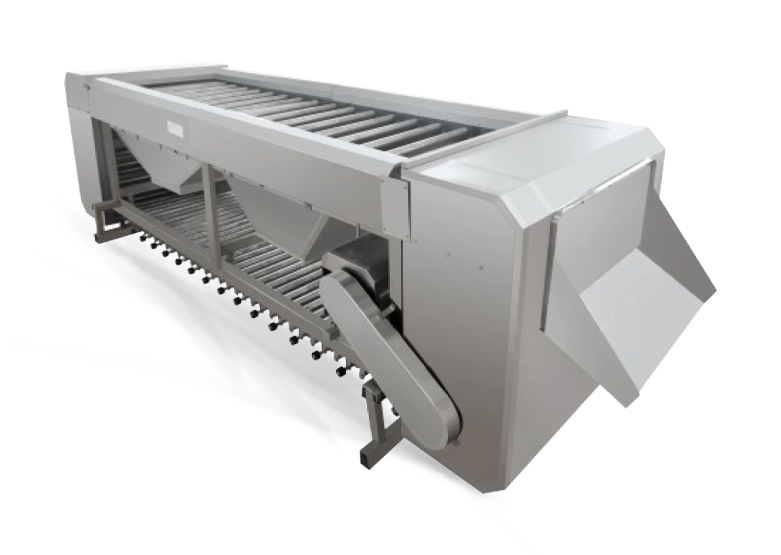
Incoming fruit is first inspected and sorted to remove damaged, underripe, or overripe units that could compromise product quality or introduce spoilage organisms into the batch. Automated sorting lines often use optical sensors to detect surface defects, size variation, or color inconsistencies, allowing faster and more consistent sorting than manual inspection alone.
Fruit passes through washing tanks or spray systems designed to remove soil, pesticide residue, and surface microorganisms. Many lines incorporate a chlorinated or ozonated water rinse at this stage to reduce microbial load before the fruit proceeds to peeling or cutting equipment.
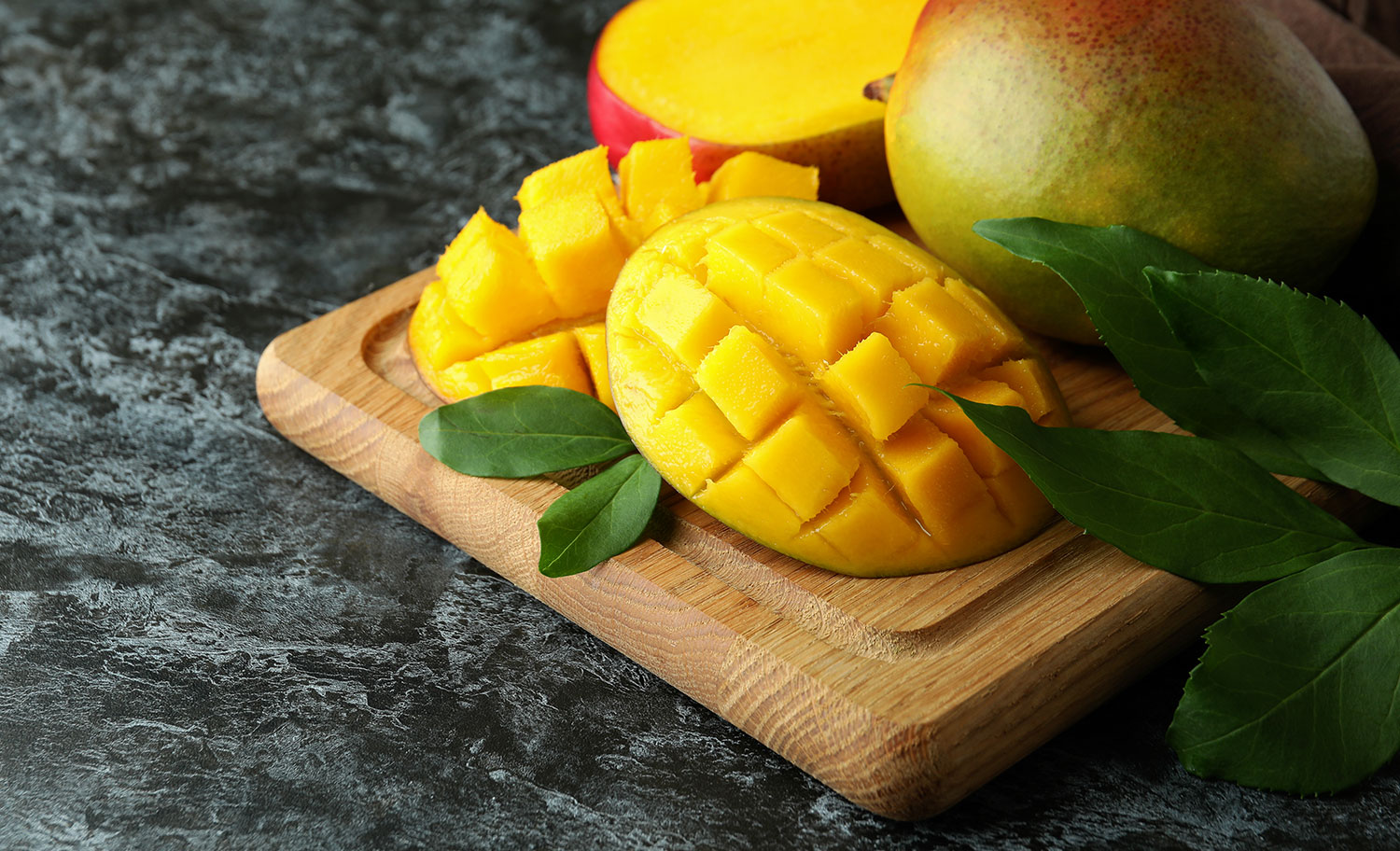
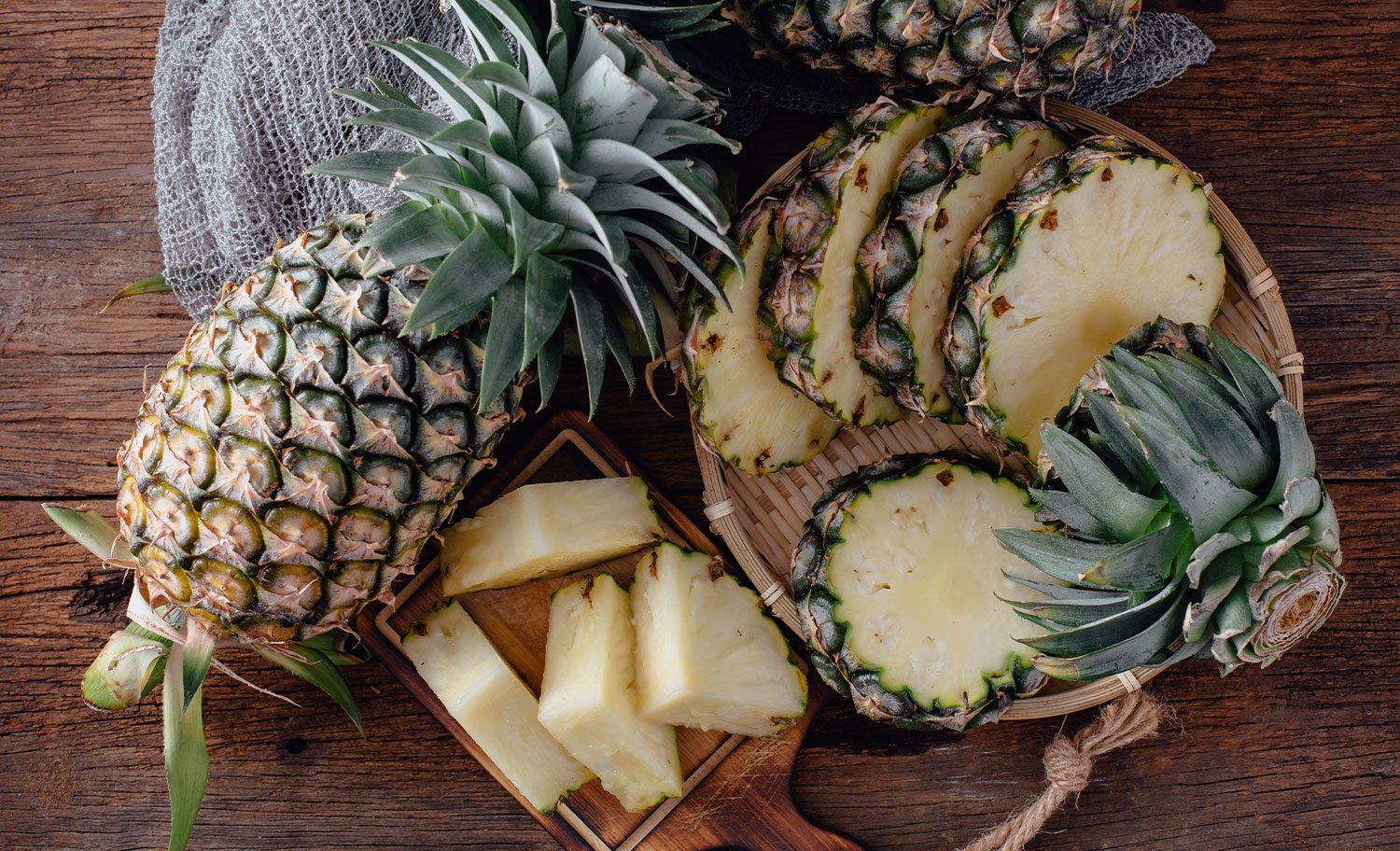
This stage varies significantly depending on fruit type. Mangoes typically require pitting and peeling equipment designed around their specific shape, while pineapples need coring and shell removal machinery, and papayas require seed removal alongside peeling. Equipment flexibility here is often a major factor in overall line efficiency for facilities processing multiple fruit varieties.
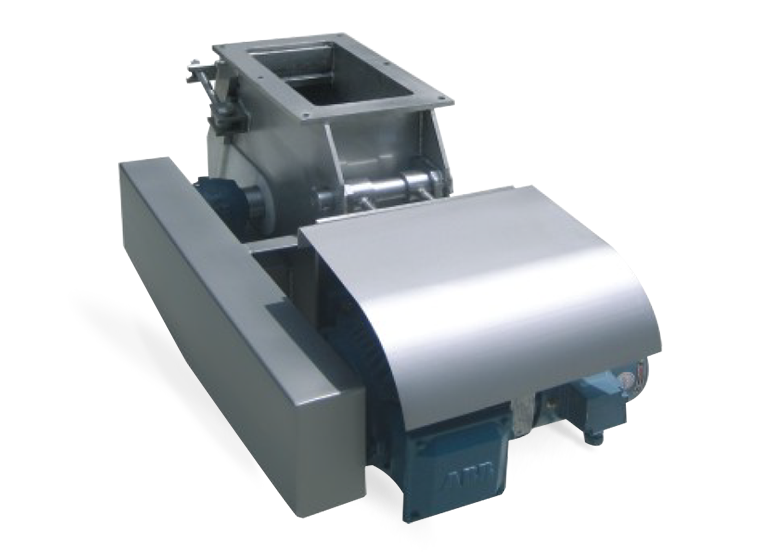
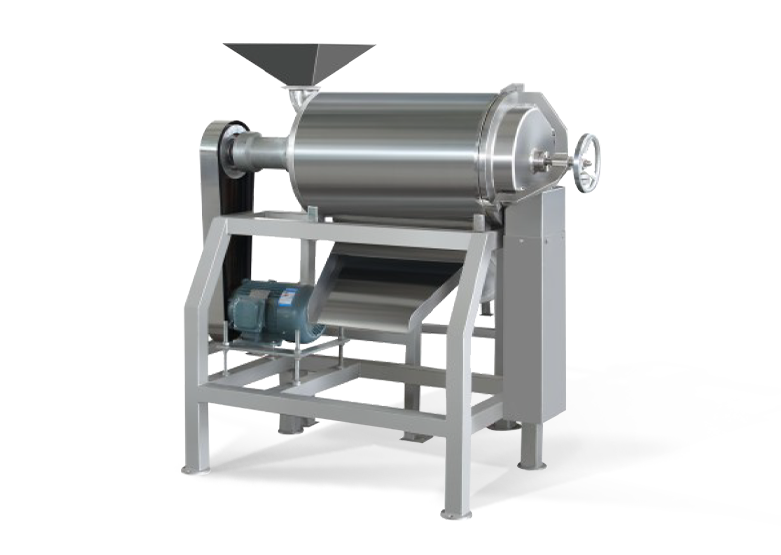
Once prepared, fruit is passed through pulping machines that separate juice and pulp from seeds, fibers, and skins. Refiners then adjust the pulp's texture by passing it through progressively finer screens, which is particularly important for products like mango puree, where a smooth, consistent texture is a key quality requirement.
Pasteurization or sterilization equipment applies controlled heat to eliminate harmful microorganisms and inactivate enzymes that could otherwise cause browning, flavor degradation, or spoilage during storage. Aseptic processing systems, which combine sterilization with sterile packaging, are increasingly used for tropical fruit purees intended for long-distance export and extended shelf life.
Final product is filled into packaging formats appropriate for the intended market, such as aseptic bags-in-drums for bulk export, retail cartons for consumer juice products, or cans for shelf-stable fruit segments. Filling equipment must maintain hygienic conditions throughout to prevent post-processing contamination.
Different tropical fruits present distinct processing challenges based on their physical structure and composition. The table below outlines key considerations for several common tropical fruits processed at commercial scale.
| Fruit | Key Processing Challenge | Common End Product |
| Mango | Fibrous pulp requiring fine refining | Puree, concentrate |
| Pineapple | Tough core and shell removal | Canned rings, juice |
| Passion Fruit | Seed and pulp separation | Concentrate, aseptic pulp |
| Papaya | Rapid enzymatic browning after cutting | Puree, dried slices |
Papaya in particular requires rapid processing after cutting due to its high enzymatic activity, which causes browning and flavor changes if the fruit sits exposed to air for extended periods. Facilities processing papaya often minimize the time between cutting and heat treatment to preserve color and flavor quality.
Many tropical fruit processors handle multiple fruit types throughout the year based on seasonal harvest cycles, making equipment flexibility an important design consideration rather than building separate dedicated lines for each fruit.
Clean-in-place systems are particularly valuable for multi-fruit facilities, since residual pulp or juice from one fruit type can affect the flavor profile of the next batch processed if equipment is not thoroughly sanitized between changeovers, which can be a significant quality control issue for delicately flavored products like passion fruit concentrate.
Consistent quality control throughout the production line is essential for meeting both domestic regulatory requirements and international export standards. Brix level (sugar content), pH, and color measurements are typically taken at multiple points along the line to verify the product meets specification before proceeding to the next processing stage.
Facilities exporting to international markets often need to comply with food safety certification standards such as HACCP or ISO 22000, which require documented control points throughout the process, including thermal processing validation to confirm that pasteurization or sterilization steps consistently achieve the temperature and time combinations needed to ensure microbial safety across every production batch.

Contact Details
Production Address: No. 9188 Chuannan Fenggong Road, Fengxian District, Shanghai
Office Address: Room 603, Building 57, No. 260 Maoyuan Road, Fengxian District, Shanghai
TEL: 86-18221904658
E-mail: [email protected]


Quick Link

Request Custom Quote Need Something Special? We're Here To Help.
 English
 русский
 Français
 Español
 عربى
عربى
 Indonesia