Content
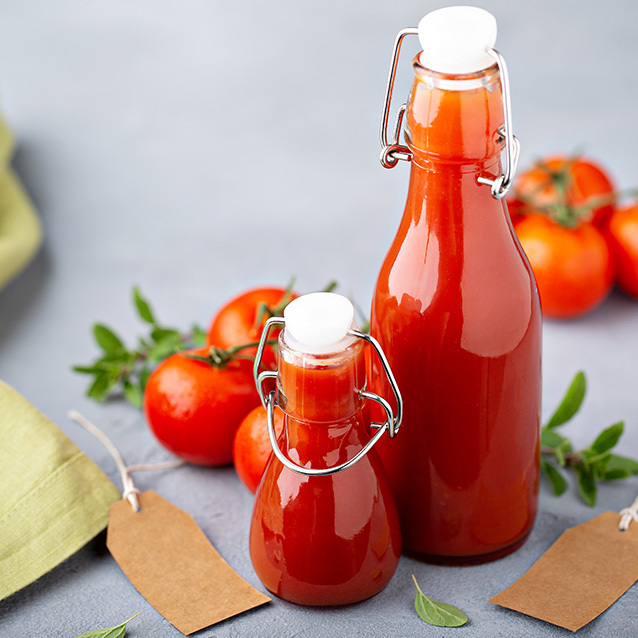
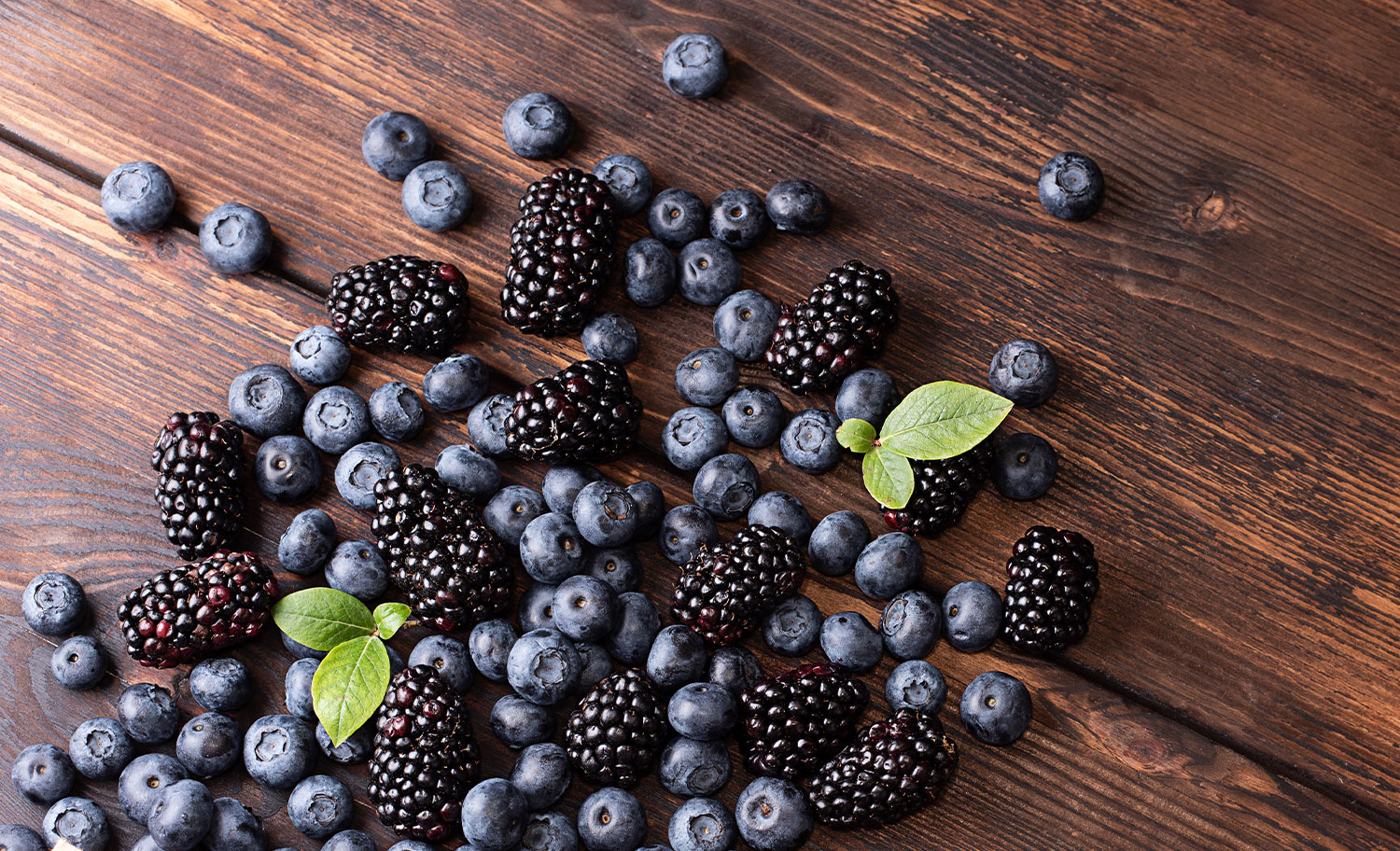
A berry puree processing production line is designed to transform raw berries such as strawberries, blueberries, raspberries, and blackberries into a smooth, consistent puree suitable for use in beverages, yogurt, jams, bakery fillings, and baby food. The process must preserve flavor, color, and nutritional value while eliminating seeds, stems, and impurities that could affect product quality. Because berries are delicate and highly perishable, the production line needs to move raw material through cleaning, processing, and preservation stages quickly and hygienically to prevent spoilage and maintain freshness.
Unlike processing lines for firmer fruits, berry puree systems require gentler handling equipment to avoid excessive bruising or oxidation, along with fine filtration systems to remove seeds without stripping away pulp and natural texture. Understanding each stage of the process helps manufacturers select the right equipment and avoid costly inefficiencies.
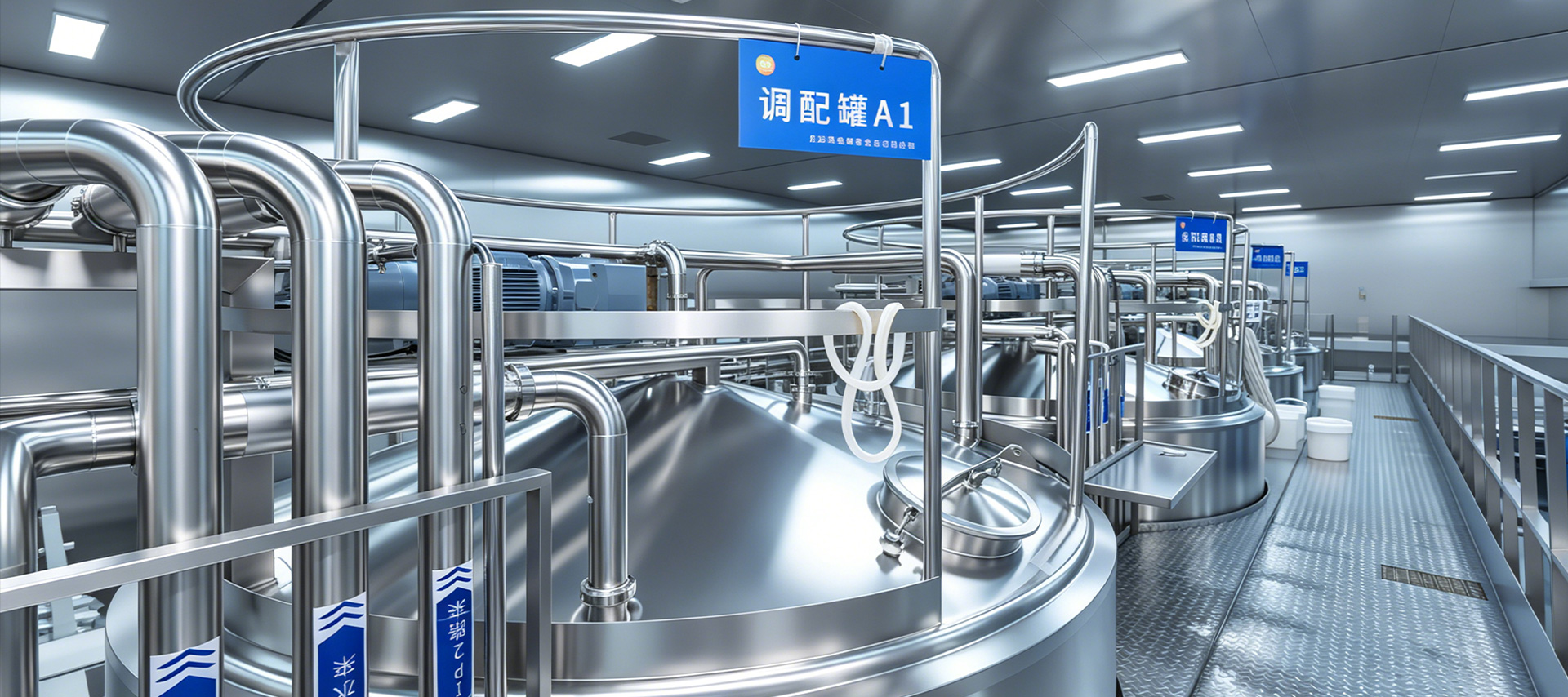
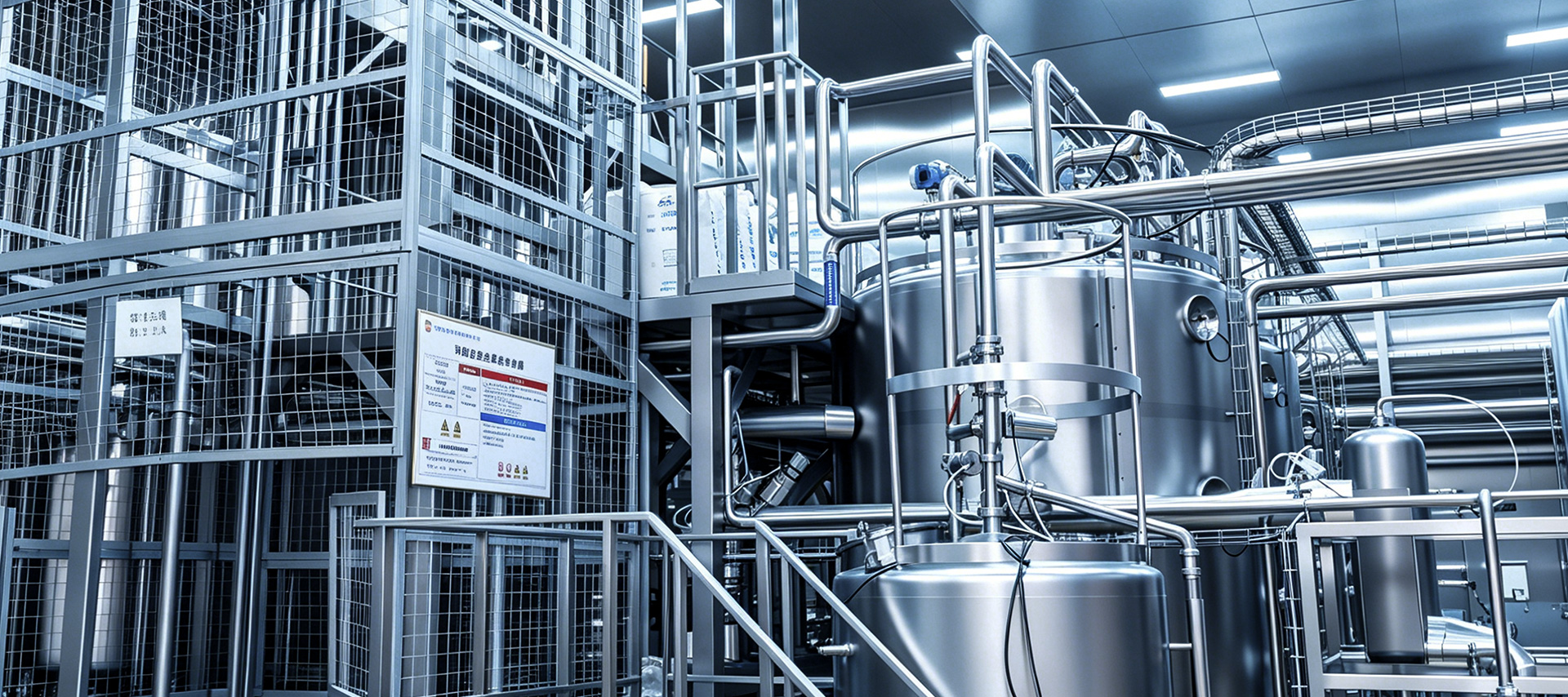
A complete berry puree production line typically follows a sequence of stages, each requiring specific machinery to ensure product safety and consistency. The table below outlines the primary stages and their function within the overall process.
StageFunctionCommon EquipmentSorting and WashingRemove debris, damaged berries, and contaminantsBubble washer, roller sorterCrushingBreak down berries into a pulpy mixtureCrusher-beater machineEnzyme TreatmentBreak down pectin for improved extractionEnzyme dosing tankRefining and De-seedingRemove seeds and skins, produce smooth pureePulper-finisher, screw refinerHomogenizationCreate uniform texture and consistencyHigh-pressure homogenizerPasteurizationEliminate harmful microorganismsTubular or plate pasteurizerAseptic FillingPackage puree while maintaining sterilityAseptic bag-in-box or drum filler
Each of these stages plays a distinct role in ensuring the final product meets safety standards while retaining the color, flavor, and nutritional integrity that berry puree is valued for.
The crusher-beater is often the first major processing unit after washing. It gently breaks berries apart while separating larger seeds and stems in a preliminary pass, reducing the load on downstream refining equipment. Adjustable beater speeds allow operators to control the texture of the initial pulp, which is important since different berry types have varying firmness and seed sizes.
Pulper-finishers use rotating paddles and fine mesh screens to separate seeds and skins from the puree. Screen sizes typically range from 0.5mm to 1.5mm depending on the desired smoothness, with finer screens producing a more refined puree suitable for beverages, while slightly coarser screens are used for products like jam that benefit from a bit more texture.
High-pressure homogenizers break down remaining particles to create a uniform, smooth consistency and prevent separation during storage. This step is particularly important for berry purees used in dairy or beverage applications, where texture uniformity directly affects consumer perception of product quality.
Berries are particularly sensitive to oxidation and heat, both of which can degrade color and vitamin content if not properly managed. Manufacturers should pay close attention to the following practices to preserve product quality throughout the production line.
These practices help manufacturers deliver a puree that closely resembles the fresh fruit in both appearance and taste, which is a key differentiator in competitive food and beverage markets.
Production line capacity should be selected based on expected seasonal berry supply, target output volume, and downstream product applications. Smaller operations processing a few hundred kilograms per hour may opt for compact, semi-automated lines, while large-scale facilities handling several tons per hour typically require fully automated systems with integrated CIP (clean-in-place) capabilities to reduce downtime between production runs.
It is also important to consider flexibility in equipment design, since many facilities process multiple berry types on the same line. Machines with adjustable screen sizes, variable speed controls, and quick-change components allow manufacturers to switch between strawberry, blueberry, or mixed berry purees without extensive downtime or equipment replacement.
One frequent challenge in berry puree production is seed contamination in the final product, which typically results from worn or improperly sized refining screens. Regular inspection and timely replacement of screens can prevent this issue and maintain consistent product quality across batches.
Another common problem is color degradation caused by prolonged exposure to oxygen or excessive heat during pasteurization. Manufacturers can address this by investing in equipment designed for minimal air exposure and by optimizing pasteurization temperature and time settings specifically for berry-based products, rather than applying generic fruit processing parameters that may not account for the unique sensitivity of berry pigments and nutrients.

Contact Details
Production Address: No. 9188 Chuannan Fenggong Road, Fengxian District, Shanghai
Office Address: Room 603, Building 57, No. 260 Maoyuan Road, Fengxian District, Shanghai
TEL: 86-18221904658
E-mail: [email protected]


Quick Link

Request Custom Quote Need Something Special? We're Here To Help.
 English
 русский
 Français
 Español
 عربى
عربى
 Indonesia