Content
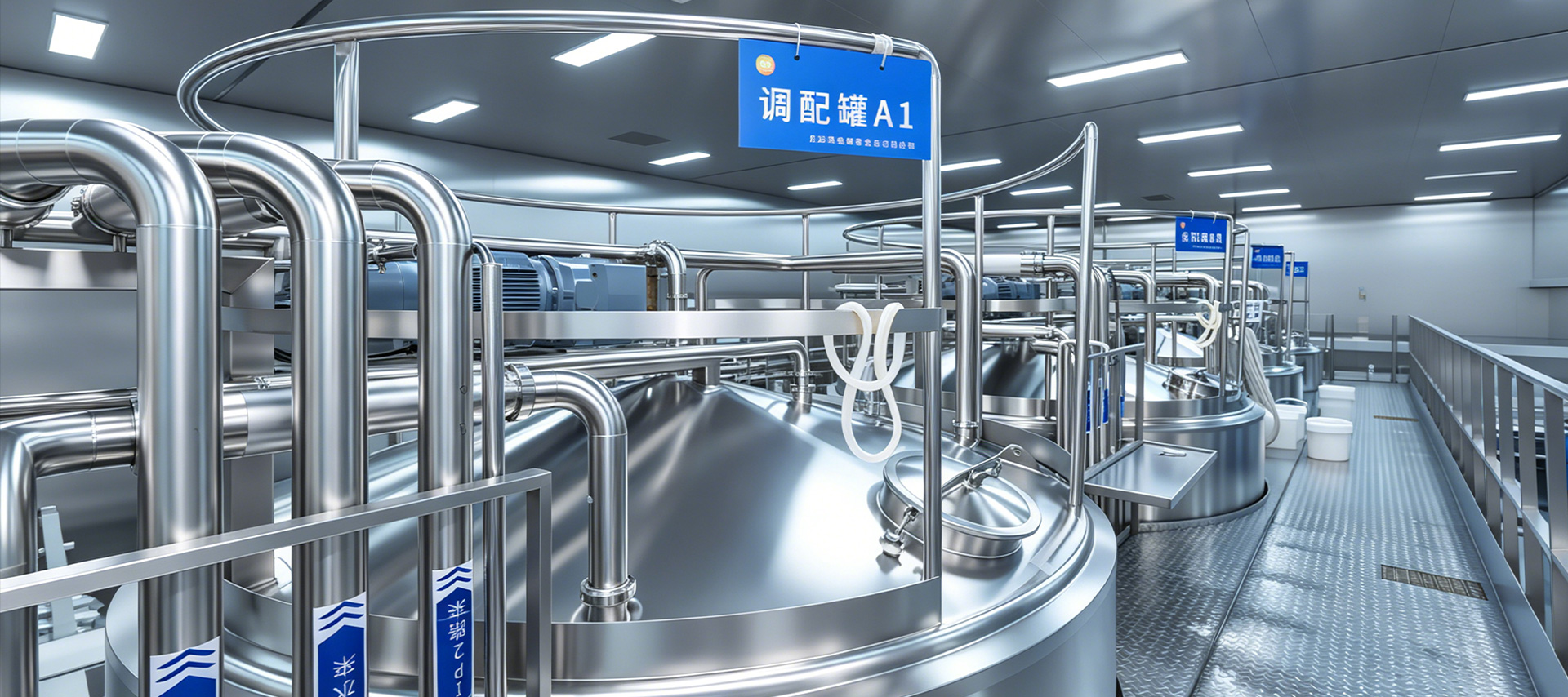
A dairy production line encompasses a series of interconnected processing stages designed to transform raw milk into safe, shelf-stable consumer products while preserving nutritional quality and taste. From the moment raw milk arrives at a facility to the point where finished products are packaged and ready for distribution, each stage must operate with precise temperature control, timing, and hygiene standards to ensure consistent product safety and quality across every batch produced.
Modern dairy processing facilities typically integrate several specialized production lines under one operational umbrella, each optimized for a specific product category. This modular approach allows dairy processors to efficiently produce multiple product types, such as UHT milk, pasteurized milk, and yogurt, using shared infrastructure while maintaining the distinct processing parameters each product requires.
Ultra-high temperature, or UHT, processing involves heating milk to temperatures typically between 135 and 150 degrees Celsius for a few seconds, effectively eliminating virtually all microorganisms and spores that could otherwise cause spoilage. This intense but brief heat treatment, combined with aseptic packaging that prevents recontamination after processing, allows UHT milk to remain shelf-stable at room temperature for several months without refrigeration.
The UHT process relies heavily on precise temperature and flow rate control throughout the sterilization stage, as even minor deviations can either fail to achieve adequate sterilization or unnecessarily degrade the milk's flavor and nutritional profile through excessive heat exposure. Because of this sensitivity, UHT lines require sophisticated automated control systems capable of maintaining consistent processing conditions across continuous production runs.
Pasteurization uses a comparatively lower heat treatment than UHT processing, typically heating milk to around 72 degrees Celsius for approximately 15 seconds in what is known as high-temperature short-time pasteurization. This method effectively eliminates harmful pathogens while preserving more of the milk's natural flavor and nutritional characteristics compared to UHT processing, though the resulting product requires continuous refrigeration and has a considerably shorter shelf life.
Pasteurized milk production lines typically include a plate heat exchanger system that efficiently transfers heat during both the heating and subsequent cooling phases, minimizing energy consumption while ensuring milk is rapidly cooled after pasteurization to prevent bacterial regrowth before packaging.
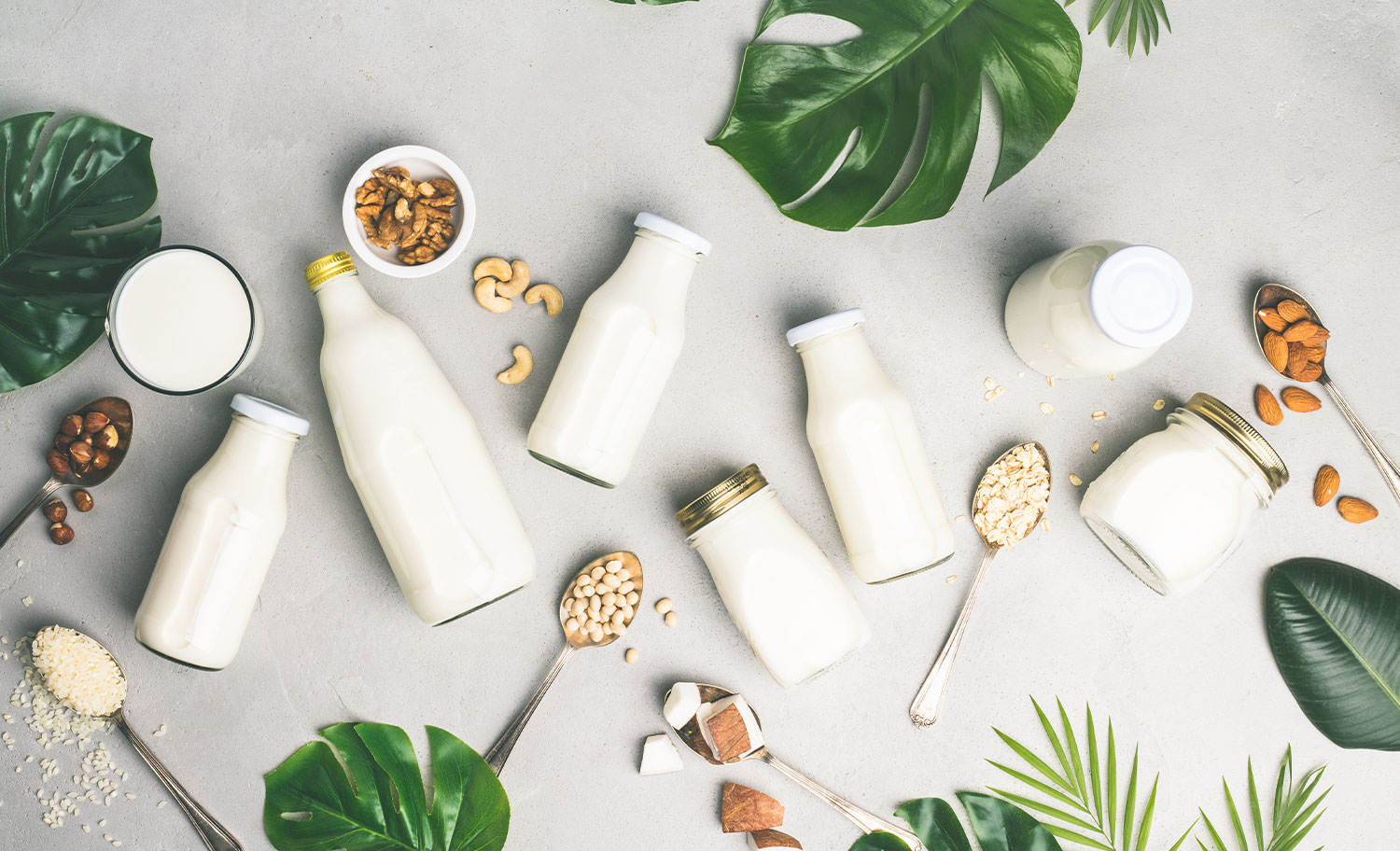
Milk rooms serve as the critical first-stage processing environment located at or near the point of milk collection, where raw milk is initially cooled, filtered, and stored before being transported to a central processing facility. Proper milk room design and equipment selection directly influence raw milk quality, as improper cooling rates or delayed processing can allow bacterial growth to accelerate before the milk ever reaches formal processing stages.
Effective milk room operations typically involve rapid cooling to below 4 degrees Celsius within a short window after milking, along with regular equipment sanitation to prevent contamination that could compromise the entire downstream production process. Because milk room conditions establish the baseline quality of raw material entering the broader production line, investment in reliable cooling and storage equipment at this stage pays dividends throughout the entire processing chain.
Yogurt production introduces an additional layer of complexity compared to liquid milk processing, as it requires a controlled fermentation stage where specific bacterial cultures convert milk sugars into lactic acid, giving yogurt its characteristic tangy flavor and thickened texture. This fermentation process demands precise temperature control, typically maintained around 42 to 45 degrees Celsius, along with carefully monitored fermentation duration to achieve consistent product texture and acidity across every batch.
Following fermentation, yogurt production lines typically include cooling stages to halt further bacterial activity once the desired acidity level is reached, along with optional homogenization and flavor addition steps depending on the specific product formulation. The precision required at each of these stages makes automated monitoring systems particularly valuable for maintaining consistent yogurt quality at commercial production scale.
The table below summarizes the core processing differences and typical shelf life outcomes across the main dairy production line types.
| Production Line | Processing Temperature | Typical Shelf Life |
| UHT Milk | 135–150°C, few seconds | Several months, room temperature |
| Pasteurized Milk | ~72°C, 15 seconds | 1–3 weeks, refrigerated |
| Yogurt | 42–45°C fermentation | 2–4 weeks, refrigerated |
Facilities considering an investment in new or upgraded dairy processing equipment should evaluate several operational factors to ensure the selected system aligns with their specific production goals.
Regardless of which specific dairy product is being manufactured, maintaining strict hygiene protocols and consistent process monitoring throughout every stage remains essential for producing safe, high-quality dairy products at commercial scale. Regular equipment cleaning and sanitization, combined with continuous temperature and quality monitoring, help facilities catch potential issues early and maintain the consistent product standards that both regulatory bodies and consumers expect from modern dairy processing operations.

Contact Details
Production Address: No. 9188 Chuannan Fenggong Road, Fengxian District, Shanghai
Office Address: Room 603, Building 57, No. 260 Maoyuan Road, Fengxian District, Shanghai
TEL: 86-18221904658
E-mail: [email protected]


Quick Link

Request Custom Quote Need Something Special? We're Here To Help.
 English
 русский
 Français
 Español
 عربى
عربى
 Indonesia