Content
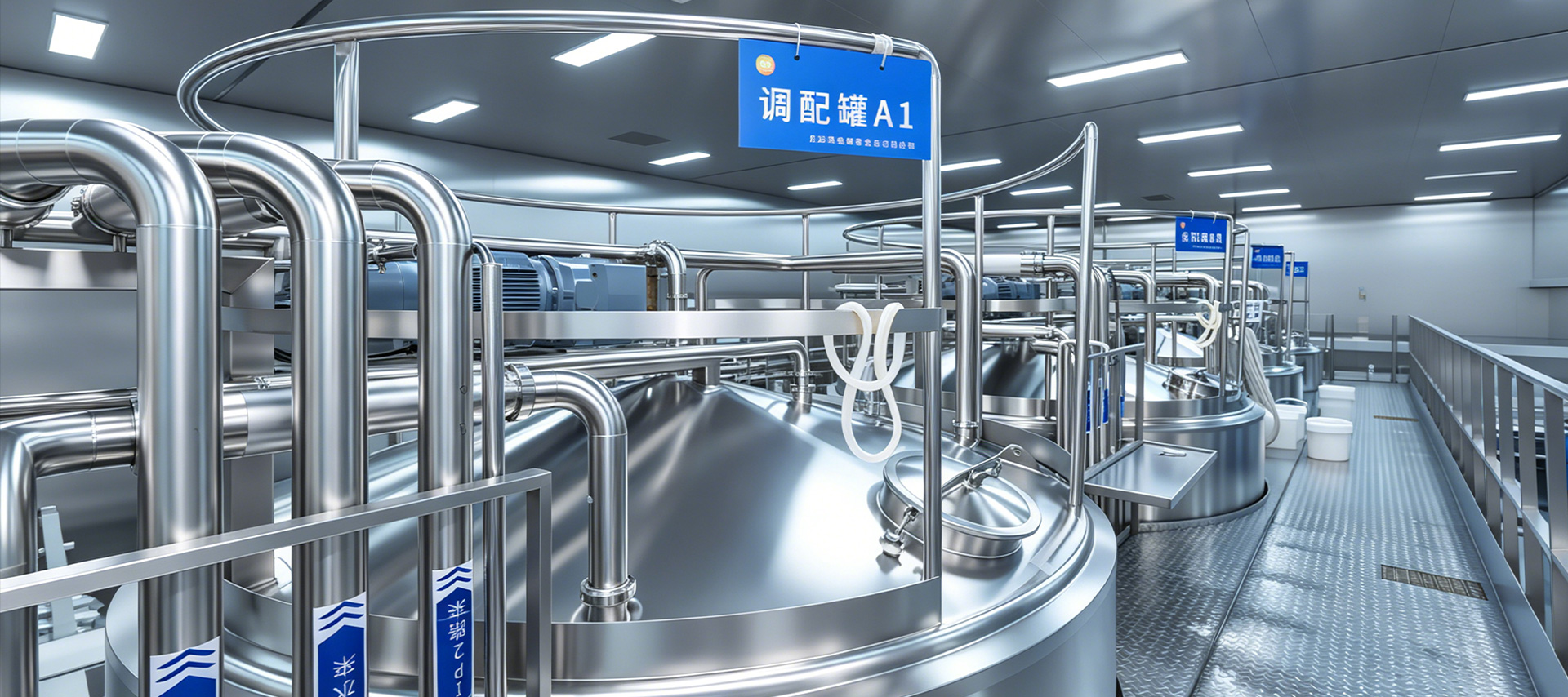
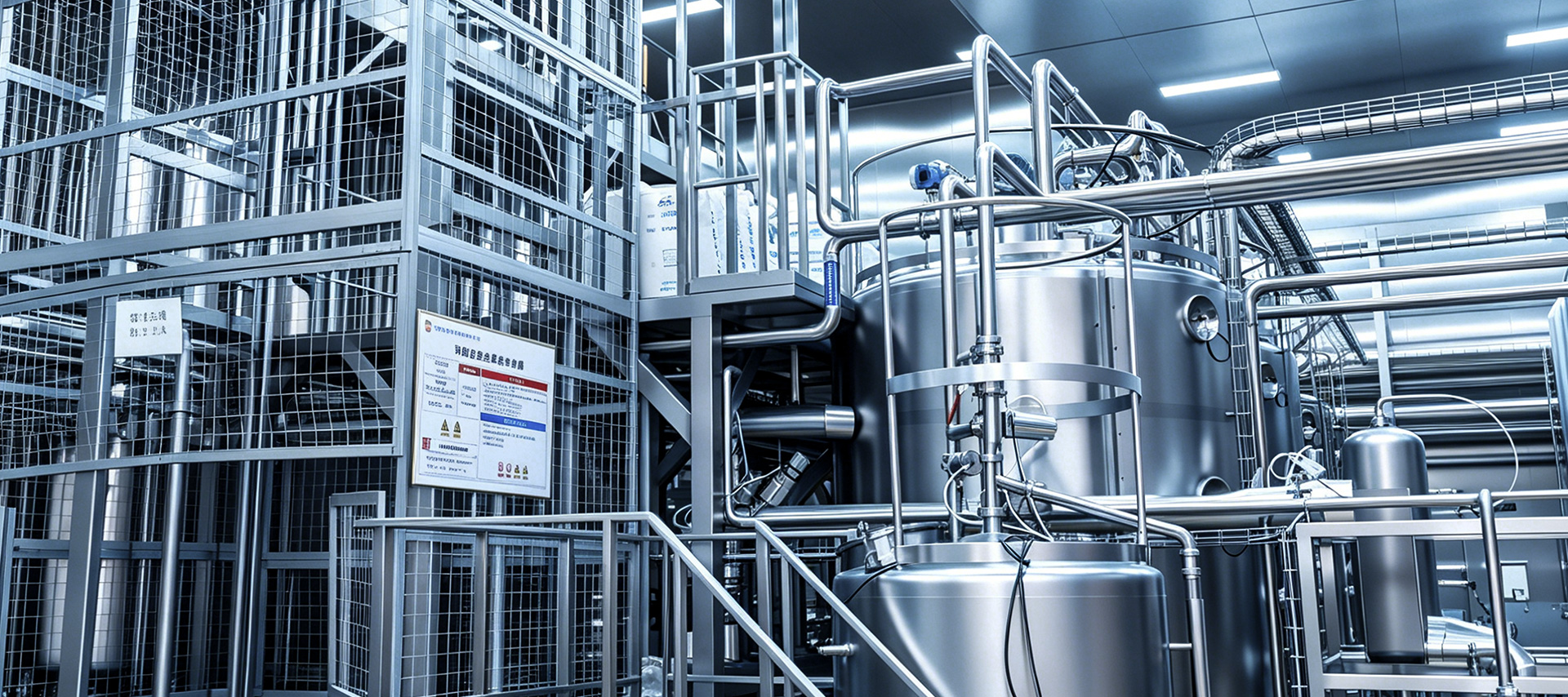
Liquid processing operations in dairy, juice and beverage, beer brewing, chemical, and biotechnological industries all share a common need: reliable equipment for temporarily holding and mixing raw materials, intermediate products, or finished goods before the next stage of production. Single-layer storage tanks fill this role efficiently, offering a straightforward, cost-effective solution for facilities that do not require the thermal insulation or jacketing found in more complex tank designs. Understanding how these tanks are built, where they fit into a production line, and what factors influence tank selection helps facility managers and process engineers make informed equipment decisions.
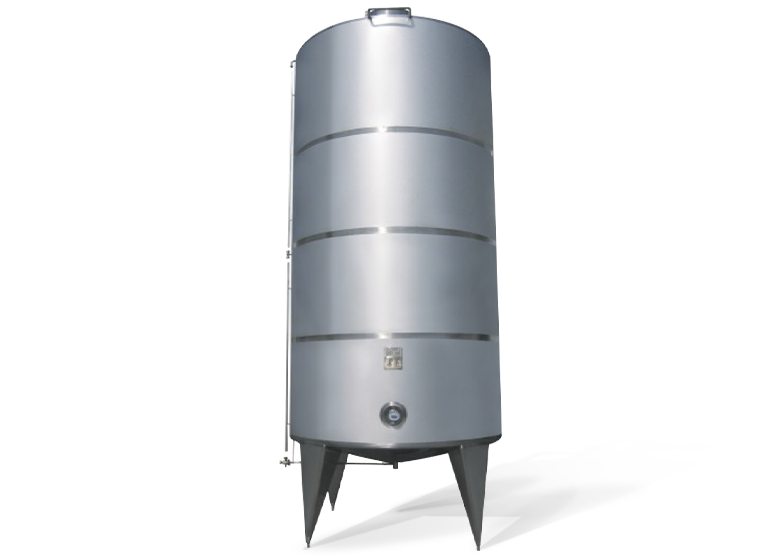
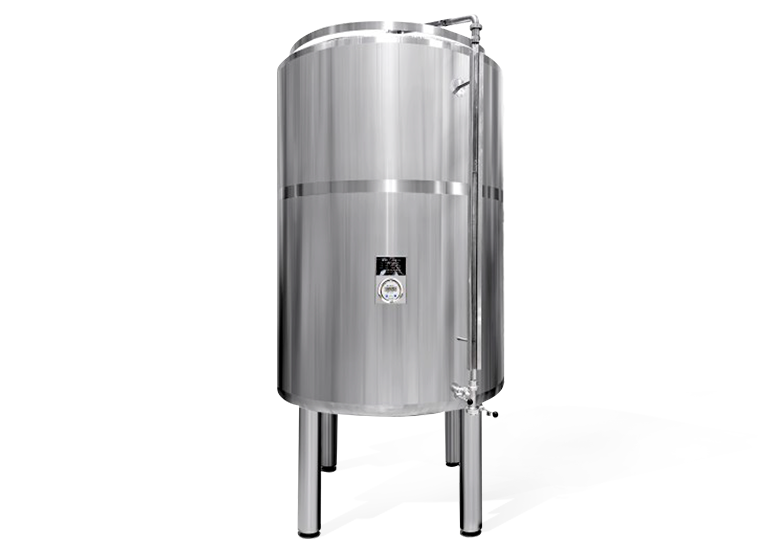
A single-layer storage tank consists of a single wall construction, typically made from stainless steel, without the additional jacket layer used for heating, cooling, or insulation purposes found in double-jacketed or triple-layer tanks. This simpler construction makes single-layer tanks lighter, less expensive to manufacture, and easier to clean and maintain, while still meeting the hygienic standards required for food, beverage, and pharmaceutical-grade applications.
These tanks are most commonly used for temporary storage and mixing of liquid materials that do not require precise temperature control during the holding period. This includes buffer storage between production stages, blending of ingredients, holding finished product before packaging, or storing raw materials awaiting further processing.
Single-layer storage tanks appear across a wide range of production environments, each with slightly different requirements for tank design, capacity, and agitation.
In dairy facilities, single-layer tanks are frequently used for holding raw milk before pasteurization, storing standardized milk between processing steps, or buffering finished products such as flavored milk or cream before packaging. Because milk products are sensitive to contamination, tank interiors must have smooth, polished surfaces that minimize bacterial buildup and simplify cleaning.
Juice and beverage manufacturers use single-layer tanks for blending concentrates with water, mixing flavorings and sweeteners, and holding finished beverages prior to bottling or canning. Agitation is often required at this stage to ensure uniform distribution of ingredients throughout the batch.
Breweries commonly use single-layer tanks as bright beer tanks, water storage tanks, or holding vessels for wort and finished beer at stages of the process where temperature control is managed elsewhere in the system. These tanks support the flexible, multi-step nature of brewing, where liquid moves between several vessels before reaching the packaging line.
In chemical and biotech settings, single-layer tanks serve as holding vessels for reagents, intermediate solutions, or buffer liquids used in formulation and production processes. These applications often demand strict material compatibility, since certain chemicals require specific alloy grades to prevent corrosion or unwanted reactions with the tank surface.
Most single-layer storage tanks are constructed from 304 or 316 stainless steel, with 316 grade preferred in applications involving corrosive chemicals, high-salinity products, or stringent pharmaceutical requirements. The interior surface finish is typically specified using a Ra value measured in micrometers, with smoother finishes reducing the risk of product residue and bacterial growth.
Tank tops may be flat, dished, or conical depending on the application, while bottoms are frequently sloped to allow for complete drainage during cleaning and product discharge. Standard fittings include manways for internal access, sight glasses for visual monitoring, sanitary inlet and outlet connections, and vent openings to manage pressure changes as liquid is added or removed.
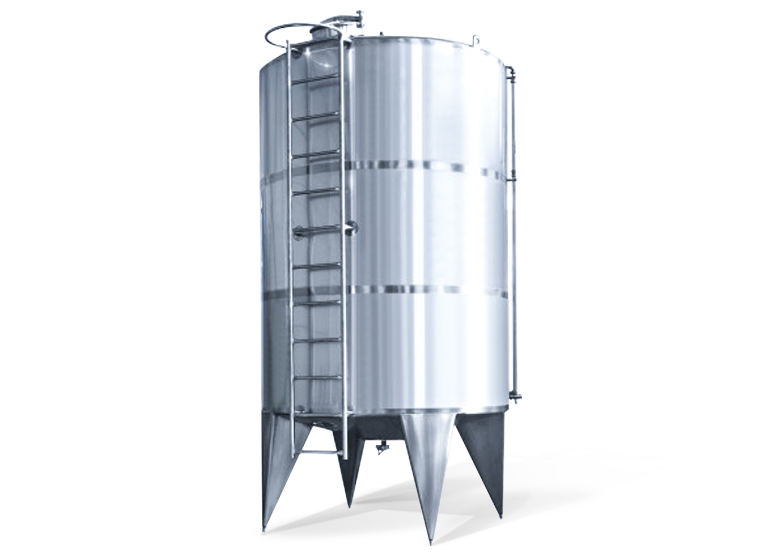
Single-layer tanks can be configured with or without an agitator, depending on whether the process requires active mixing. Tanks used purely for holding or buffering a homogeneous liquid, such as finished pasteurized milk awaiting packaging, often do not need agitation. In contrast, tanks used for blending ingredients, dissolving powders, or maintaining suspension of particulates typically require a mixer.
Common agitator types include top-mounted propeller mixers for general blending, anchor agitators for higher-viscosity liquids, and side-entry mixers for large-diameter tanks where a top-mounted shaft would be impractical. The choice of agitator speed and blade design depends on the liquid's viscosity, the mixing intensity required, and whether the process risks introducing excess air or foam into the product.
Tank sizing should be based on production volume, batch frequency, and the amount of buffer time needed between processing stages. Undersized tanks can create bottlenecks that slow production, while oversized tanks increase capital cost and floor space requirements without adding proportional value.
| Application | Typical Capacity Range | Agitation Needed |
| Raw milk buffer storage | 1,000 to 20,000 liters | Optional |
| Juice blending | 500 to 10,000 liters | Required |
| Bright beer holding | 1,000 to 30,000 liters | Not typically required |
| Chemical reagent storage | 200 to 5,000 liters | Depends on formulation |
Because single-layer tanks are frequently used in food, beverage, and biotech applications, sanitation is a central part of ongoing operation. Many tanks are designed to support clean-in-place systems, which circulate cleaning and sanitizing solutions through the tank and associated piping without requiring manual disassembly. Spray balls mounted inside the tank distribute cleaning fluid across interior surfaces, reaching areas that would otherwise be difficult to access.
Routine inspection of gaskets, valves, and welded seams helps prevent leaks and contamination risks. Facilities handling highly regulated products, such as pharmaceuticals or infant formula ingredients, often follow stricter validation protocols to confirm that cleaning cycles consistently meet microbial control standards.
Selecting the right single-layer storage tank involves weighing several practical factors specific to the intended application.
Single-layer storage tanks remain a practical, versatile choice for facilities that need dependable holding and mixing capacity without the added cost and complexity of thermal jacketing. By carefully matching tank material, configuration, agitation, and capacity to the specific demands of dairy, beverage, brewing, chemical, or biotechnological processes, facility managers can achieve reliable performance while keeping equipment investment proportional to actual production needs.

Contact Details
Production Address: No. 9188 Chuannan Fenggong Road, Fengxian District, Shanghai
Office Address: Room 603, Building 57, No. 260 Maoyuan Road, Fengxian District, Shanghai
TEL: 86-18221904658
E-mail: [email protected]


Quick Link

Request Custom Quote Need Something Special? We're Here To Help.
 English
 русский
 Français
 Español
 عربى
عربى
 Indonesia