Content
Stone fruits — including peach, apricot, plum, cherry, mango, and olive — are among the most commercially valuable fruit categories in the global food and beverage industry. Their rich flavor profiles, natural sweetness, and high nutritional content make them ideal candidates for a wide range of processed products: from pure fruit purees and flavored spreads to bakery fillings, jam bases, and beverage-grade additives. However, converting fresh stone fruit into a stable, high-quality puree requires a carefully engineered production line that addresses the unique structural and biochemical challenges these fruits present — particularly the hard pit at the center.
This article examines the complete stone fruit puree processing production line in practical detail, covering each processing stage, the equipment involved, and the specific product outputs the line can support.
The production process begins with the reception and inspection of incoming raw fruit. Stone fruits are highly perishable and sensitive to bruising, which means rapid, careful handling at the reception stage is critical for preserving pulp quality and minimizing oxidation. Upon delivery, fruit batches are weighed, sampled, and tested for key quality parameters including Brix (sugar content), pH, color uniformity, and visible defect rate.
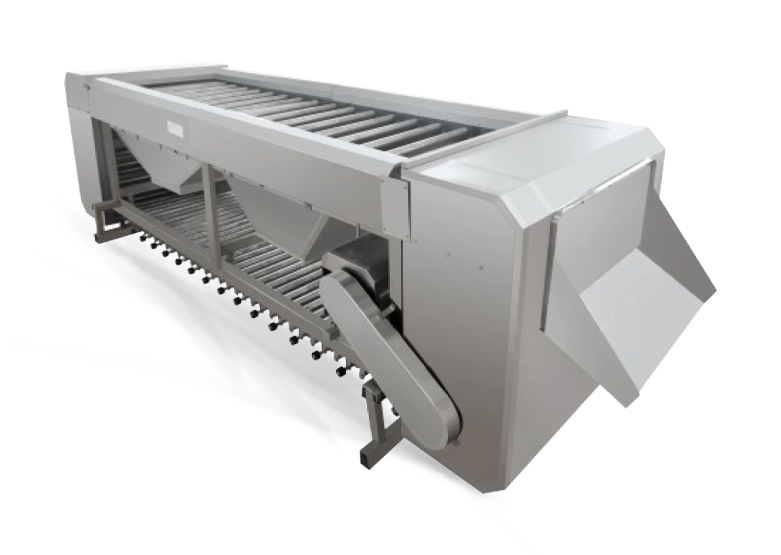
Pre-sorting is performed on roller or vibration conveyors, where damaged, overripe, or undersized fruits are removed — either manually or through optical sorting systems equipped with near-infrared (NIR) cameras. For premium product lines such as honey peach puree or single-variety cherry puree, tight raw material specifications are enforced at this stage to ensure flavor and color consistency in the final product. Fruit that passes inspection proceeds to washing, while rejected material is diverted to secondary use streams or waste processing.
After sorting, fruit enters a multi-stage washing system. This typically consists of a flotation tank for initial soaking and debris removal, followed by a high-pressure spray rinse to eliminate surface microorganisms, agrochemical residues, and soil particles. Water temperature and chlorine or ozone dosing levels in the wash system are controlled according to food safety protocols and export market compliance requirements.
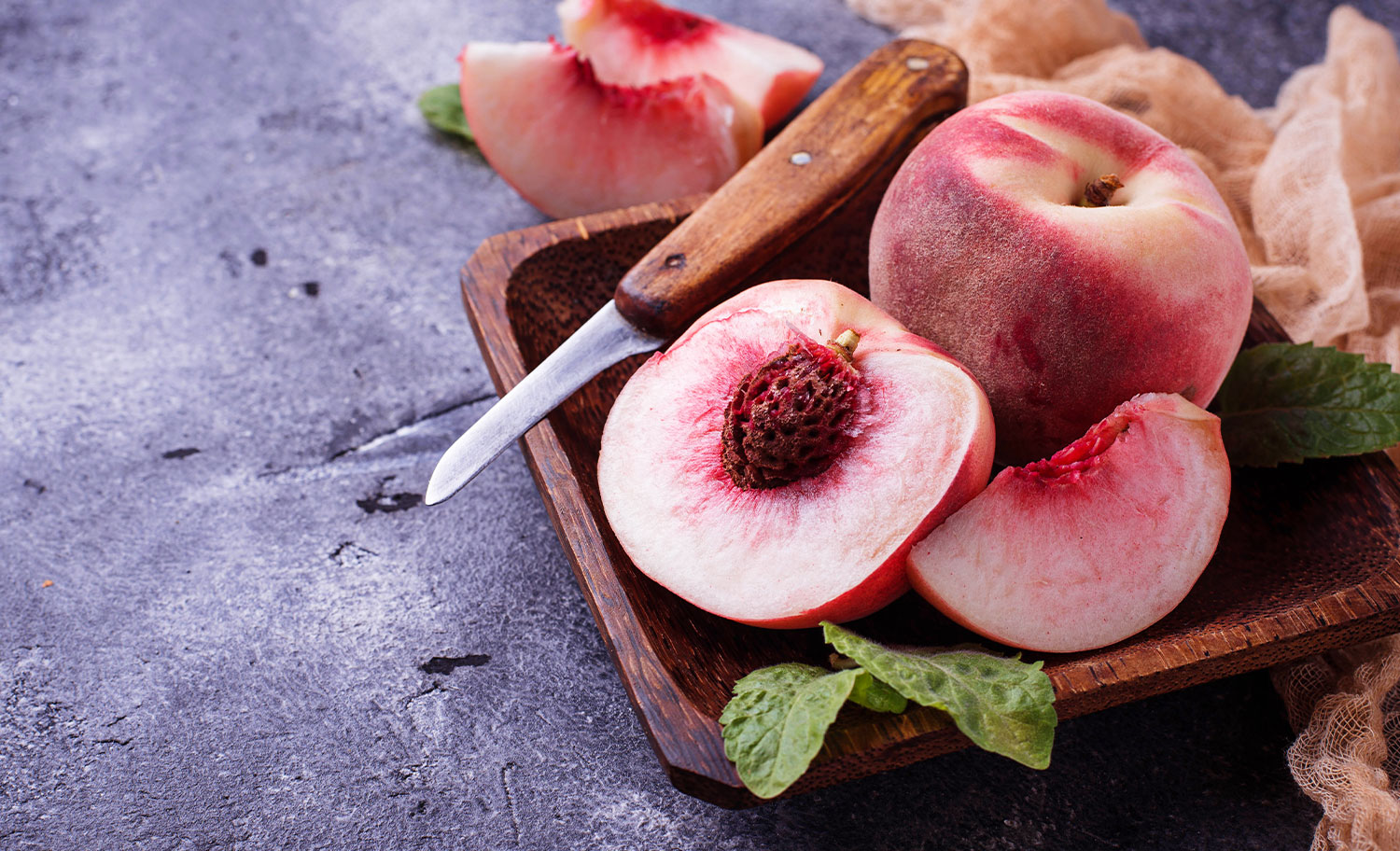
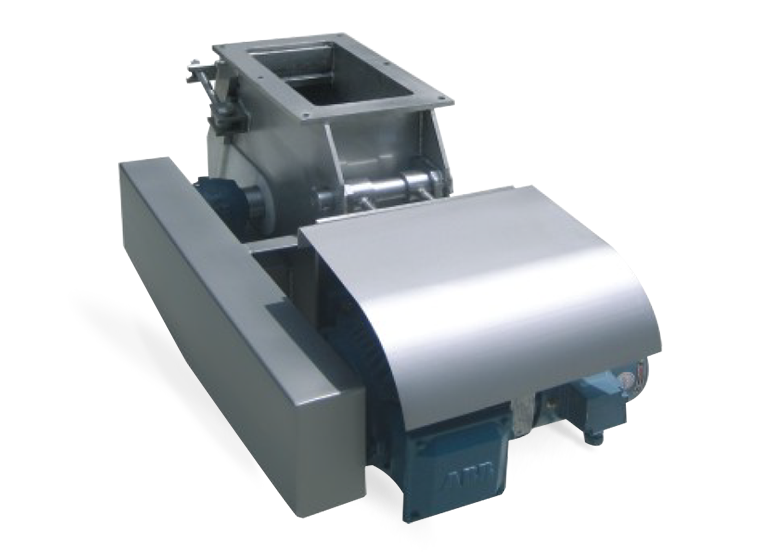
Destoning is the most technically demanding step unique to stone fruit processing. The pit must be separated completely from the pulp without contaminating the puree stream — pit fragments are a critical food safety hazard. Industrial destoning machines for peach, apricot, and plum use a combination of splitting blades and rotating brushes or paddles to free the pit from the surrounding flesh. For smaller stone fruits such as cherry, high-speed centrifugal destoners or pneumatic ejection systems are more appropriate.
Hard-pit fruits like olive require a specialized approach. Olive destoners typically use counter-rotating rollers or cutting heads calibrated to the specific pit-to-flesh ratio of the olive variety being processed. Regardless of fruit type, a metal detection or X-ray inspection unit should be installed downstream of the destoner to verify that no pit fragments have passed through.
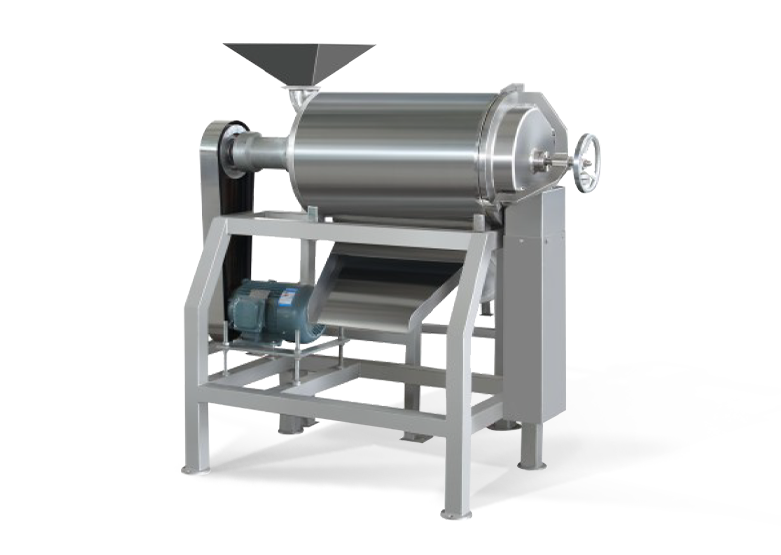
Once destoned, the fruit flesh proceeds to the pulper-finisher, which breaks the tissue and forces the puree through a stainless steel screen. Screen aperture sizes are selected based on the desired puree texture: coarser screens (1.0–2.0 mm) for rustic or bakery-grade products, finer screens (0.4–0.8 mm) for smooth beverage-grade purees. A second-pass finisher further refines texture and removes any remaining fiber or seed fragments.
Fresh stone fruit puree contains naturally occurring enzymes — particularly polyphenol oxidase (PPO) and peroxidase — that cause rapid browning and flavor degradation when the tissue is disrupted. Enzyme inactivation is therefore a time-critical step that must occur as quickly as possible after pulping. The two main methods used in industrial stone fruit puree lines are:
After enzyme inactivation, the puree enters the blending and standardization stage. Here, Brix and pH are measured inline and adjusted to meet product specifications. For flavored products such as honey peach puree, sweeteners, flavor concentrates, or acidulants are added at this stage using a dosing system integrated into the blend tank. Mixing is performed under controlled shear to ensure homogeneous distribution without excessive foam generation.
Depending on the intended application, stone fruit puree may be processed into a concentrated form or kept at natural Brix before thermal treatment. Evaporative concentration using a falling-film evaporator reduces the water content under vacuum, typically bringing natural-Brix peach or apricot puree (10–14° Brix) up to 28–36° Brix for jam base applications. Concentration reduces transportation and storage costs and extends shelf life while maintaining flavor intensity when performed under vacuum at low temperatures.
Pasteurization is the primary thermal preservation step for stone fruit purees not intended for aseptic packaging. The following table summarizes typical pasteurization parameters by product type:
| Product Type | Pasteurization Temp. | Hold Time | Packaging Format |
| Pure fruit puree (fresh) | 85–90°C | 15–30 sec | Chilled pouch / tub |
| Bakery filling / jam base | 90–95°C | 30–60 sec | Aseptic bag-in-drum |
| Beverage-grade additive | 95–110°C (UHT) | 4–15 sec | Aseptic carton / IBC |
| Frozen puree | 85°C pre-freeze | 15 sec | Frozen block / IQF |
For export markets or applications requiring ambient shelf stability, aseptic processing is the preferred route. Puree is heated to UHT temperatures in a scraped-surface heat exchanger — essential for viscous products that would foul standard plate exchangers — and then filled into pre-sterilized bags, drums, or IBCs under sterile conditions. This format dominates the industrial ingredient trade for stone fruit purees used in yogurt, smoothie, and confectionery manufacturing.
The filling stage must match the packaging format selected for each product line. Retail-grade flavored peach puree or direct-consumption fruit packs are filled into cups, pouches, or jars on piston or rotary filling machines with servo-driven accuracy. Bakery fillings and jam bases destined for food service use are filled into 20 kg or 200 kg aseptic bag-in-drum formats using aseptic bag fillers with sterile nitrogen flushing to prevent oxidation.
For frozen puree production, filled containers are passed through a spiral freezer or blast tunnel to bring the core temperature to −18°C or below before palletizing. IQF (Individually Quick Frozen) lines are also used for stone fruit puree portions, producing frozen pellets or discs that are convenient for portioned dosing in downstream food manufacturing.
Cold storage facility design is an integral part of the production line. Chilled purees require storage at 0–4°C with controlled humidity to prevent condensation on packaging. Frozen products are held at −18°C to −22°C. Proper first-in-first-out (FIFO) inventory rotation, combined with electronic batch traceability, ensures that no product ages beyond its specified shelf life before dispatch.
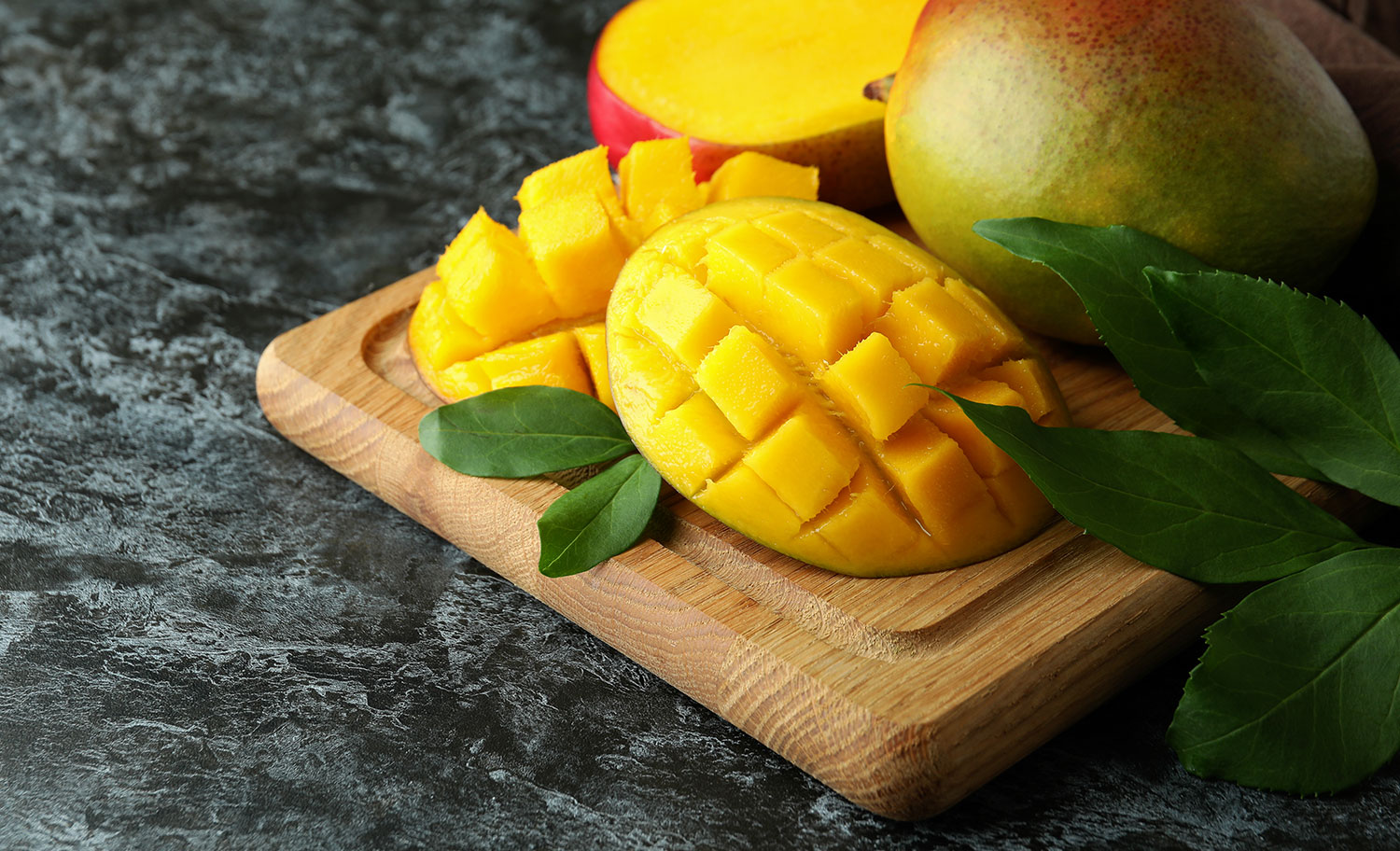
One of the most important design considerations for a stone fruit puree processing production line is flexibility across fruit varieties. Peaches and apricots have relatively soft flesh and free-stone pit configurations that are easy to handle at high throughput. Plums, by contrast, often have clingstone varieties in which the pit adheres tightly to the flesh, requiring higher destoner torque and more careful screen selection. Cherries are small and high in anthocyanin pigments that can stain equipment surfaces and require frequent CIP cycles. Mango requires an additional fiber management step due to its long, coarse fiber network that can clog finisher screens.
Olive processing for puree or paste introduces additional complexity because of the high polyphenol content and the different cell structure of the fruit. Olive puree lines typically include a malaxation step — slow mixing of the crushed paste to promote oil droplet coalescence and flavor development — before the pulping and finishing stages used for other stone fruits.
A well-designed production line should accommodate product changeovers with minimal downtime. This means using quick-release fittings, CIP-compatible wetted surfaces, interchangeable screen sets for the pulper-finisher, and programmable logic controller (PLC) recipes that automatically adjust conveyor speeds, pasteurization temperatures, and Brix setpoints when switching between fruit types or product grades. The ability to process multiple stone fruit varieties on a single line significantly improves asset utilization and reduces the capital cost per SKU.

Contact Details
Production Address: No. 9188 Chuannan Fenggong Road, Fengxian District, Shanghai
Office Address: Room 603, Building 57, No. 260 Maoyuan Road, Fengxian District, Shanghai
TEL: 86-18221904658
E-mail: [email protected]


Quick Link

Request Custom Quote Need Something Special? We're Here To Help.
 English
 русский
 Français
 Español
 عربى
عربى
 Indonesia