Content
Dairy processing has evolved dramatically over the past few decades. Today's dairy production lines are no longer simple batch-processing setups — they are highly integrated systems that combine thermal treatment, sterile packaging, fermentation control, and cold-chain management under one continuous workflow. For dairy manufacturers, understanding the structure and function of each segment within a complete dairy processing line is essential not only for maintaining product quality, but also for achieving operational efficiency, regulatory compliance, and long-term profitability.
Ultra-High Temperature (UHT) processing is one of the most widely used technologies in the global dairy industry. A UHT milk production line heats milk to temperatures between 135°C and 150°C for two to four seconds, effectively eliminating all pathogenic and spoilage microorganisms. This allows the final product to remain shelf-stable for up to 12 months without refrigeration — a major advantage for export markets and regions with underdeveloped cold chains.
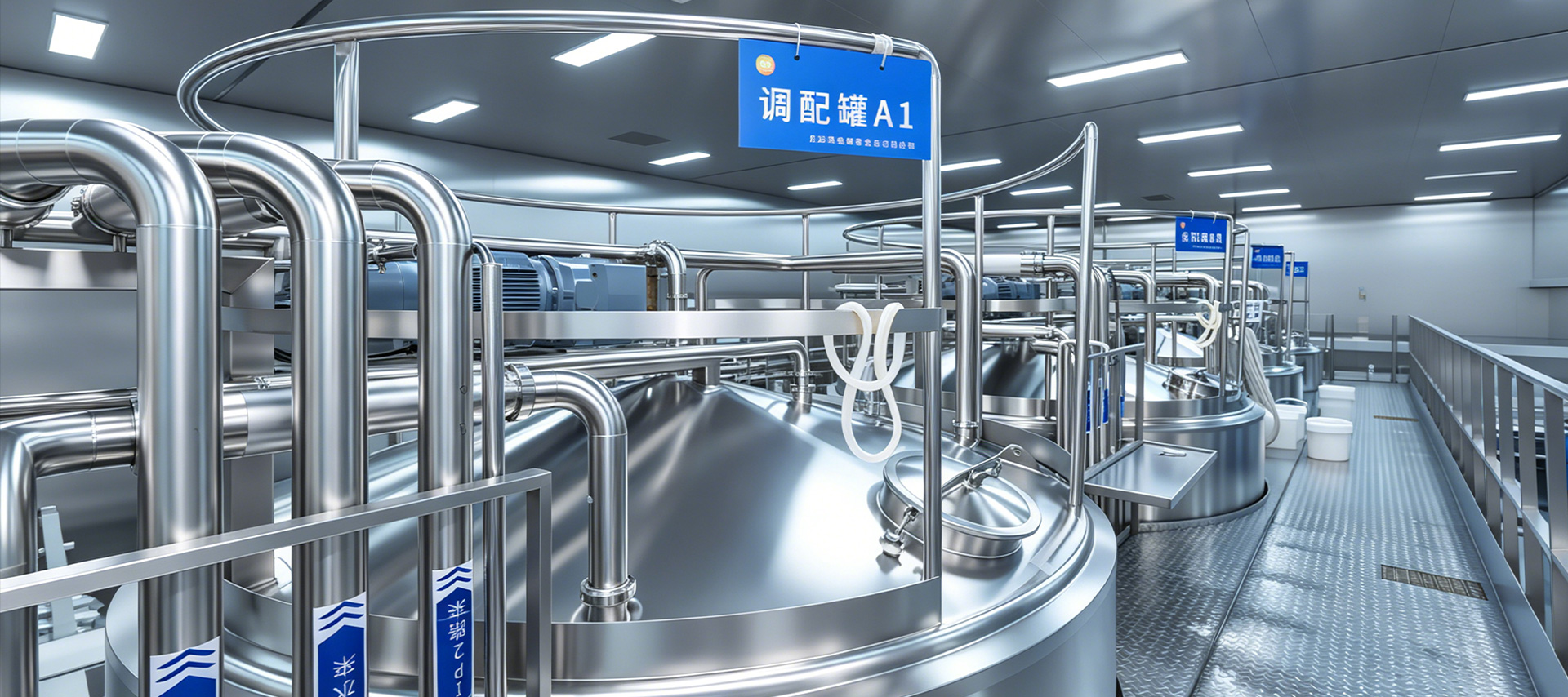
The key equipment in a UHT line includes a balance tank, deaeration unit, homogenizer, tubular or plate heat exchanger, and aseptic filling machine. Each component plays a critical role. The homogenizer reduces fat globule size to prevent cream separation, while the aseptic filler ensures that the sterilized milk is packaged in a sterile environment, eliminating the risk of post-process contamination. Packaging formats commonly used include Tetra Pak cartons, HDPE bottles, and aseptic pouches.
One common challenge in UHT processing is fouling — the buildup of heat-denatured proteins and calcium phosphate deposits on heat exchanger surfaces. To address this, modern UHT systems are equipped with Clean-In-Place (CIP) systems that automatically cycle cleaning agents through the equipment after each production run, maintaining thermal efficiency and reducing downtime.
Unlike UHT milk, pasteurized milk is treated at lower temperatures — typically 72°C for 15 seconds in the HTST (High Temperature Short Time) method — which eliminates harmful bacteria while preserving more of the milk's natural flavor, nutritional profile, and bioactive compounds. Pasteurized milk must be refrigerated and generally has a shelf life of 7 to 21 days, depending on the packaging and post-pasteurization handling.
A complete pasteurized milk production line includes raw milk reception and storage tanks, a plate heat exchanger for pasteurization and cooling, a homogenizer, a standardization unit (for fat content control), and a filling machine. The standardization unit is particularly important for large-scale operations, as it allows manufacturers to consistently meet fat content specifications such as whole milk (3.5%), semi-skimmed (1.5–1.8%), or skimmed (less than 0.5%).
Temperature monitoring is a critical control point throughout the pasteurized milk line. Automated sensors continuously record and log temperatures at every stage of processing. If the temperature at the holding tube falls below the required threshold, a divert valve automatically redirects the milk for reprocessing — a built-in safety mechanism that prevents under-processed product from reaching the filler.
The quality of any dairy product ultimately begins at the source: the dairy farm. A well-designed milk room — also called a milking parlor or milking facility — is the first stage of the dairy production line and has a direct impact on the microbial load and somatic cell count of raw milk. Poorly maintained milk rooms can introduce contamination that is difficult to eliminate even with downstream thermal processing.
Modern dairy farm milk rooms are equipped with automatic milking systems (AMS), bulk milk cooling tanks, in-line filtration units, and CIP cleaning systems. The bulk milk cooling tank rapidly chills raw milk from the cow's body temperature (~38°C) to below 4°C within two hours of milking — the critical window for limiting bacterial proliferation. Stainless steel construction throughout the milk room ensures hygienic surfaces that are easy to clean and resistant to corrosion.
Key performance indicators monitored at the farm-level milk room include:
Investing in high-quality farm-level infrastructure is not optional — it is the prerequisite for producing safe, premium dairy products further down the line.
Yogurt production requires an entirely different approach compared to fluid milk processing. The yogurt fermentation production line involves carefully controlling microbial activity to convert milk lactose into lactic acid, which lowers the pH and causes the milk proteins to gel. The result is a product with a characteristic tangy flavor and thick texture. The line typically produces set yogurt (fermented in the final container), stirred yogurt (fermented in a tank and then agitated), or drinkable yogurt, each requiring different equipment configurations.
The core steps in a yogurt fermentation production line are as follows:
| Step | Process | Key Parameter |
| 1 | Milk standardization & blending | Fat & protein content |
| 2 | Homogenization | 150–200 bar pressure |
| 3 | Heat treatment | 90–95°C for 5 minutes |
| 4 | Cooling & starter culture inoculation | 42–44°C inoculation temperature |
| 5 | Fermentation | Target pH 4.2–4.6 |
| 6 | Cooling & filling | Below 20°C before filling |
The starter culture used — typically a combination of Streptococcus thermophilus and Lactobacillus delbrueckii subsp. bulgaricus — must be dosed accurately and added at the correct temperature to ensure consistent fermentation activity. Automated pH monitoring in the fermentation tanks allows operators to terminate the fermentation precisely when the target acidity is reached, preventing over-acidification that would result in an excessively sour product.
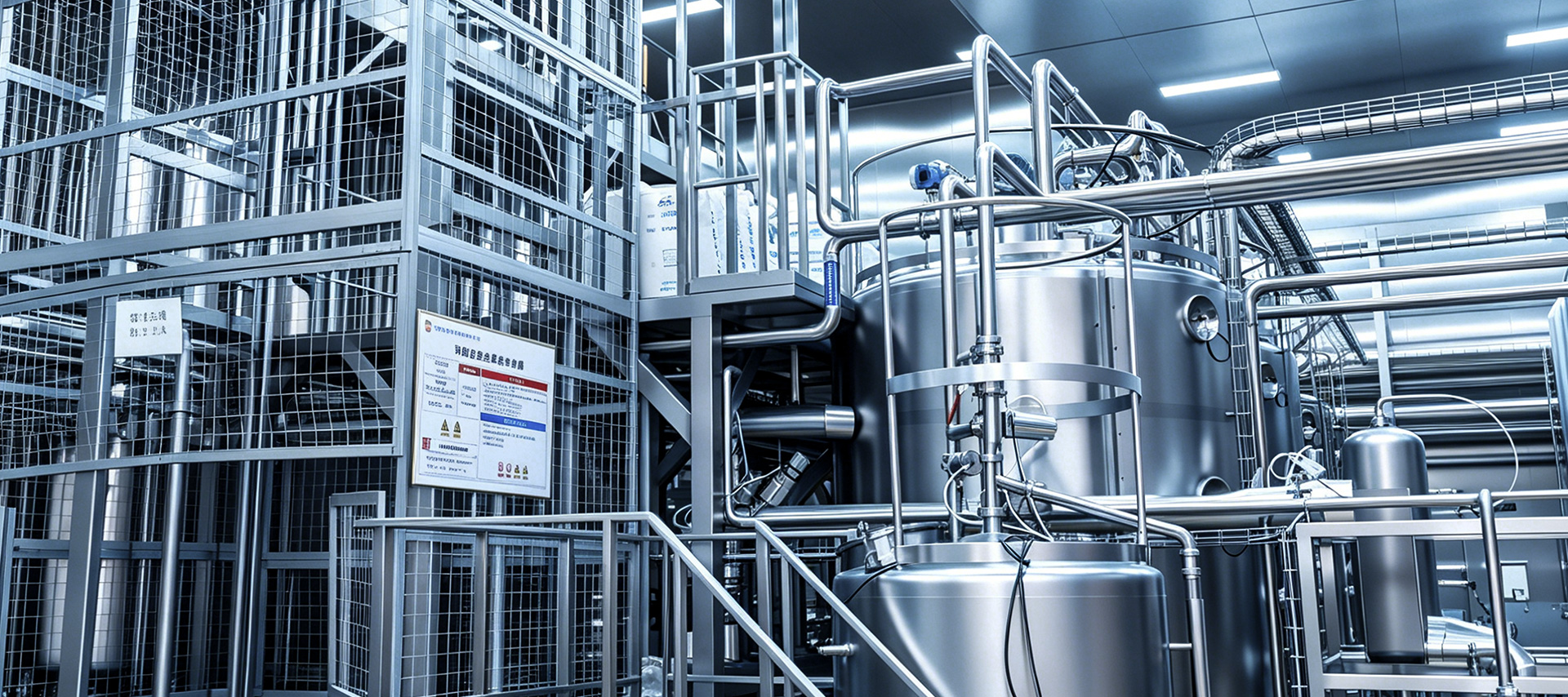
A competitive dairy facility does not operate each production line in isolation. Modern dairy processing plants integrate their UHT, pasteurization, farm reception, and fermentation lines through a centralized SCADA (Supervisory Control and Data Acquisition) system. This allows plant managers to monitor real-time process data, detect anomalies, schedule CIP cycles, and generate production reports — all from a single control interface.
Automation also plays a critical role in energy efficiency. Heat recovery systems on pasteurization and UHT lines can recapture up to 94% of the thermal energy used in heating, dramatically reducing steam consumption. Variable-frequency drives on pumps and compressors further cut electricity usage. For facilities targeting sustainability certifications or looking to reduce operational costs, these investments typically pay back within two to three years.
Traceability is another area where integration delivers measurable value. By linking batch records from farm milk intake through processing, packaging, and distribution, dairy manufacturers can respond to food safety incidents with speed and precision — isolating affected product lots within minutes rather than days. This level of traceability is increasingly required by retailers and regulatory bodies in key markets.
Selecting the right combination of production lines depends on several factors: target product mix, daily processing capacity, market geography, available infrastructure, and capital budget. A small regional dairy serving local fresh markets may prioritize a pasteurized milk line with a yogurt fermentation unit. A large export-oriented processor, by contrast, will invest heavily in UHT capacity and aseptic packaging technology.
When evaluating equipment suppliers, buyers should look beyond initial purchase price and examine total cost of ownership — including energy consumption, spare parts availability, after-sales service coverage, and the supplier's track record with similar-scale installations. Pilot-scale testing before full-line commissioning can also prevent costly mistakes, particularly for new product categories or unusual raw milk compositions.
Ultimately, a well-configured dairy production line is not just a capital asset — it is the operational backbone of a dairy brand. Getting the technology, layout, and process controls right from the start determines product quality, production uptime, and the ability to scale capacity as market demand grows.

Contact Details
Production Address: No. 9188 Chuannan Fenggong Road, Fengxian District, Shanghai
Office Address: Room 603, Building 57, No. 260 Maoyuan Road, Fengxian District, Shanghai
TEL: 86-18221904658
E-mail: [email protected]


Quick Link

Request Custom Quote Need Something Special? We're Here To Help.
 English
 русский
 Français
 Español
 عربى
عربى
 Indonesia