Content
A berry puree production line takes raw fruit through a sequence of mechanical and thermal processing steps to produce a smooth, shelf-stable puree suitable for use in juices, yogurt, jams, bakery fillings, or beverage concentrates. The general flow moves from sorting and washing, through crushing and pulping, into refining stages that remove seeds and skins, followed by pasteurization and final filling into storage or shipping containers. Each stage in this sequence directly affects the final product's texture, color retention, and microbial safety, which is why equipment selection at every step needs to match the specific characteristics of the berry variety being processed.
Berries present unique processing challenges compared to firmer fruits because of their high moisture content, delicate skin structure, and in many cases, small seeds embedded throughout the flesh that must be separated without excessive loss of usable pulp. A well-designed production line accounts for these characteristics at each stage rather than relying on generic fruit processing equipment that may not handle berries efficiently.
The first stage of any berry puree line involves removing damaged fruit, stems, leaves, and foreign debris before washing begins, since processing contaminated or spoiled fruit can compromise the entire batch downstream. Optical sorting machines, which use cameras and sometimes near-infrared sensors to detect color and surface defects, have become increasingly common on larger production lines because they can identify mold, unripe fruit, or foreign material far faster and more consistently than manual inspection alone.
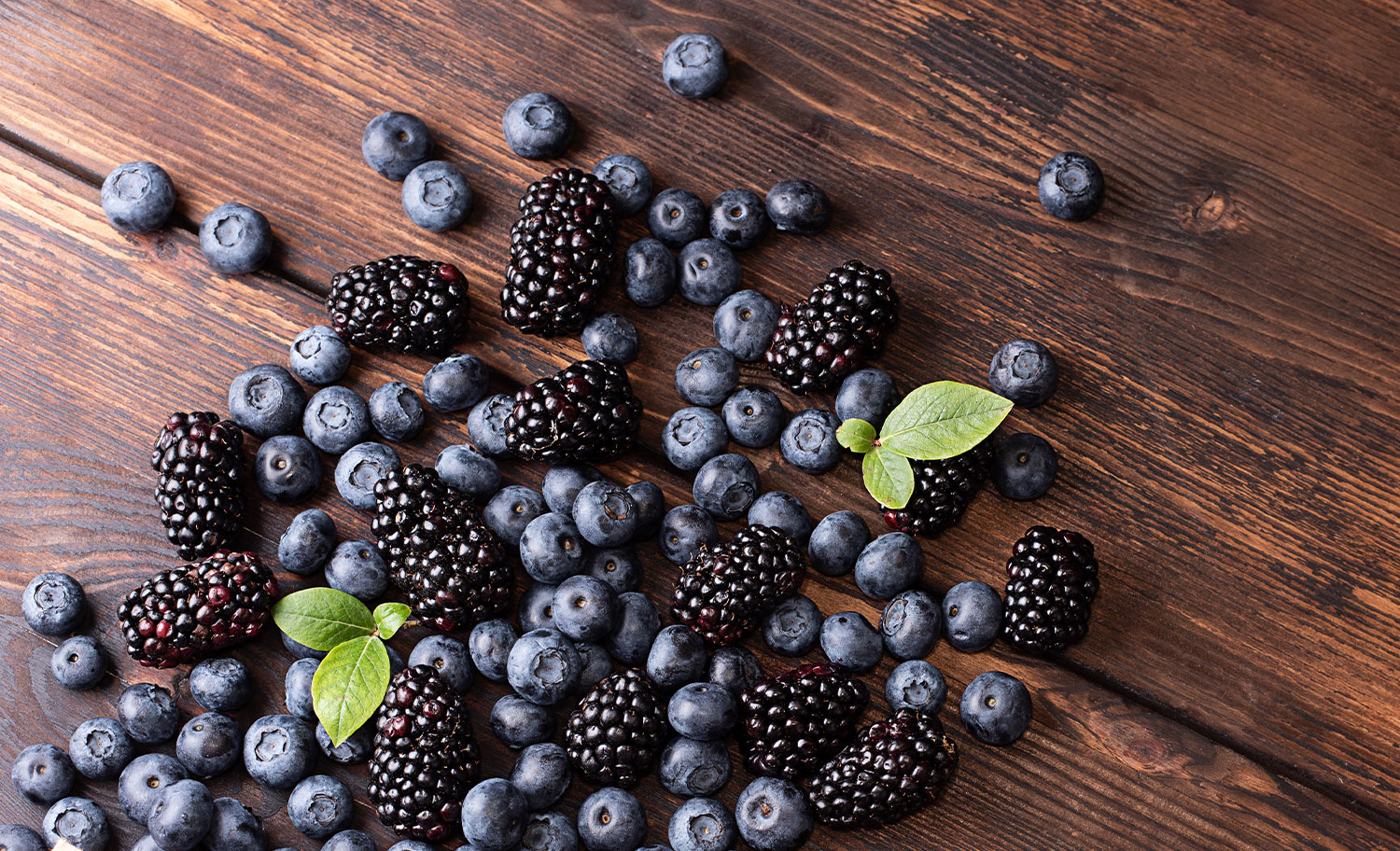
After sorting, berries typically pass through a bubble or spray washing system designed to dislodge dirt and surface residue without bruising the delicate fruit. Bubble washers use rising air bubbles to gently agitate the fruit in a water bath, which is generally preferred over high-pressure spray systems for soft berries like raspberries or blackberries that can be damaged by direct water jet impact.
Once cleaned, berries move into the crushing and pulping stage, where mechanical beaters or crushing rollers break down the fruit into a coarse mash. This raw mash still contains seeds, skin fragments, and in some cases stems that need to be removed before the puree reaches its final smooth consistency.
Many berry varieties, particularly strawberries and blueberries, contain pectin that thickens the mash and makes it more difficult to separate seeds and skins efficiently during refining. Adding pectinase enzyme at this stage breaks down the pectin structure, reducing viscosity and improving juice and pulp yield during the subsequent refining step. Enzyme dosage and reaction time need to be carefully controlled, since both insufficient and excessive treatment can affect the final puree's texture and color stability.
After enzyme treatment, the mash passes through a refining machine, often called a paddle finisher or screw press, which forces the pulp through a perforated screen while seeds, skin fragments, and any remaining stems are separated and discharged separately. Screen mesh size is selected based on the desired final texture, with finer screens producing a smoother puree at the cost of slightly lower overall yield, since some usable pulp inevitably gets discharged along with the seed and skin waste at tighter mesh settings.
Heat treatment is necessary to deactivate spoilage microorganisms and enzymes that would otherwise continue degrading the puree's color and flavor during storage. The method chosen affects both shelf life and the equipment investment required for the production line.
| Method | Typical Temperature | Shelf Life Impact |
| HTST Pasteurization | 85°C to 95°C, short hold | Refrigerated storage, weeks to months |
| Aseptic Processing | 90°C to 110°C, ultra-short hold | Ambient storage, up to 12 months |
| Hot Fill | 85°C to 90°C at filling | Ambient storage, several months |
Aseptic processing requires a higher equipment investment, since the puree must be cooled rapidly after heat treatment and filled into pre-sterilized packaging within a fully enclosed sterile environment to prevent recontamination. This method is generally favored by larger operations supplying bulk industrial customers, since the extended ambient shelf life simplifies logistics and reduces the need for cold chain transportation and storage.
Different berry varieties require adjustments to equipment settings and sometimes entirely different machine configurations to process efficiently. Strawberries, with their relatively large size and softer flesh, generally need gentler crushing rollers set with wider clearance to avoid excessive seed fragmentation, which can introduce bitter flavors into the final puree if seeds are crushed too aggressively. Blueberries, due to their small size and tougher skin, often require a finer initial crushing stage but benefit from less aggressive refining since their seeds are small enough that complete removal is less critical to the final product's texture.
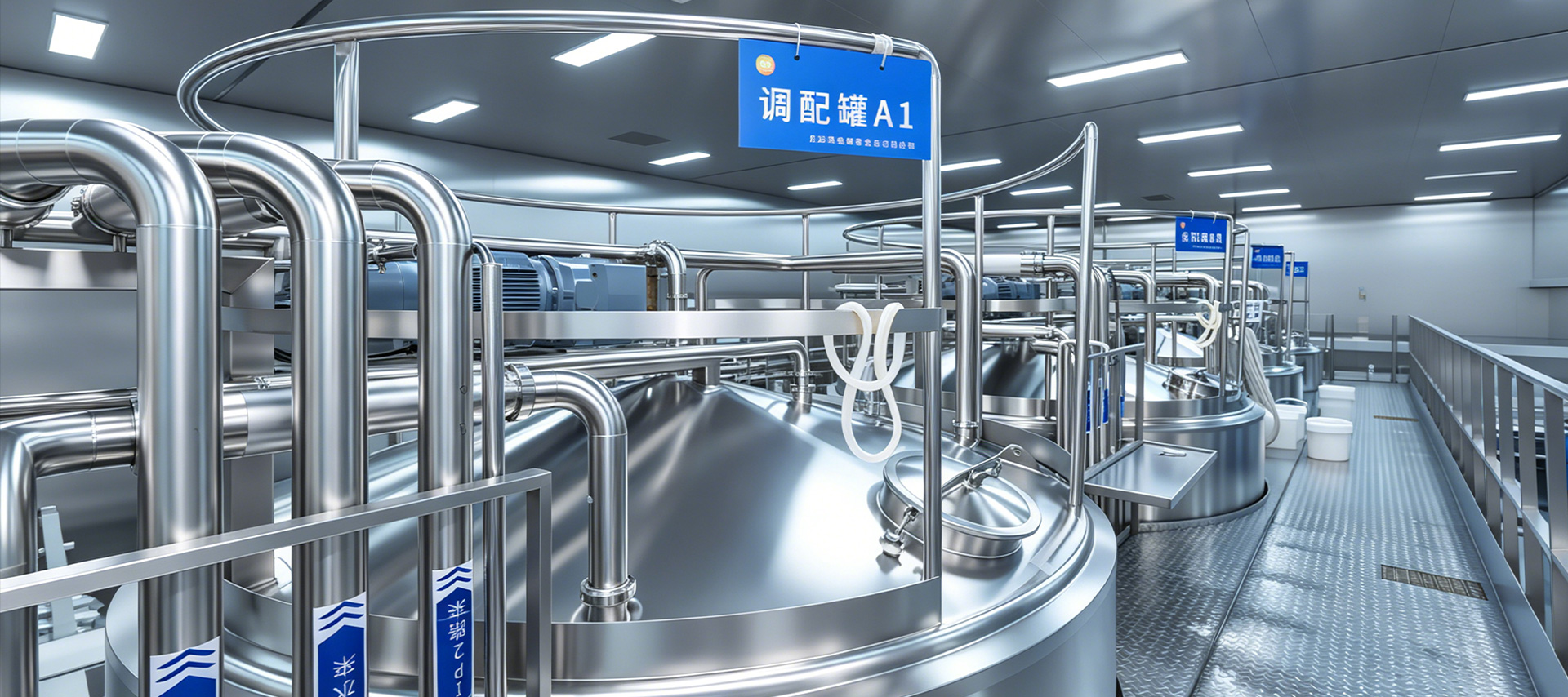
Berry puree production lines must be designed with cleaning and sanitation in mind from the start, since fruit pulp residue left in equipment crevices can quickly become a breeding ground for mold and bacteria between production runs. Stainless steel construction throughout the line, combined with sanitary tri-clamp fittings rather than threaded pipe connections, makes disassembly and cleaning significantly faster and more thorough between batches. Many facilities implement clean-in-place systems, which circulate cleaning and sanitizing solutions through enclosed sections of the line without requiring full manual disassembly, reducing both labor time and the risk of incomplete cleaning in hard-to-reach areas.
Regular microbial testing of both raw material and finished puree batches, combined with documented cleaning schedules, supports compliance with food safety certifications such as HACCP or BRC, which many commercial buyers require before agreeing to source puree from a given supplier.
Maximizing usable puree yield while minimizing waste during the refining stage requires balancing screen mesh selection, enzyme dosage, and machine throughput speed against the desired final texture specification. Running refining equipment too quickly can leave excessive usable pulp trapped in the seed and skin discharge stream, while running it too slowly reduces overall production capacity without necessarily improving yield further. Many facilities periodically sample and analyze their seed and skin byproduct stream to confirm yield losses remain within an acceptable range, adjusting screen size or enzyme treatment time when losses begin trending upward.
Byproduct streams from the refining stage, including seeds and skins, are increasingly being repurposed by some processors into secondary products such as fruit fiber supplements or natural colorant extracts, turning what was previously a waste disposal cost into an additional revenue stream for the operation.

Contact Details
Production Address: No. 9188 Chuannan Fenggong Road, Fengxian District, Shanghai
Office Address: Room 603, Building 57, No. 260 Maoyuan Road, Fengxian District, Shanghai
TEL: 86-18221904658
E-mail: [email protected]


Quick Link

Request Custom Quote Need Something Special? We're Here To Help.
 English
 русский
 Français
 Español
 عربى
عربى
 Indonesia