English
 русский
 Français
 Español
 عربى
عربى
 Indonesia
Vitamin Beverages Processing Production Line Factory
-- Steady & Reliable Manufacturer --
Product Overview
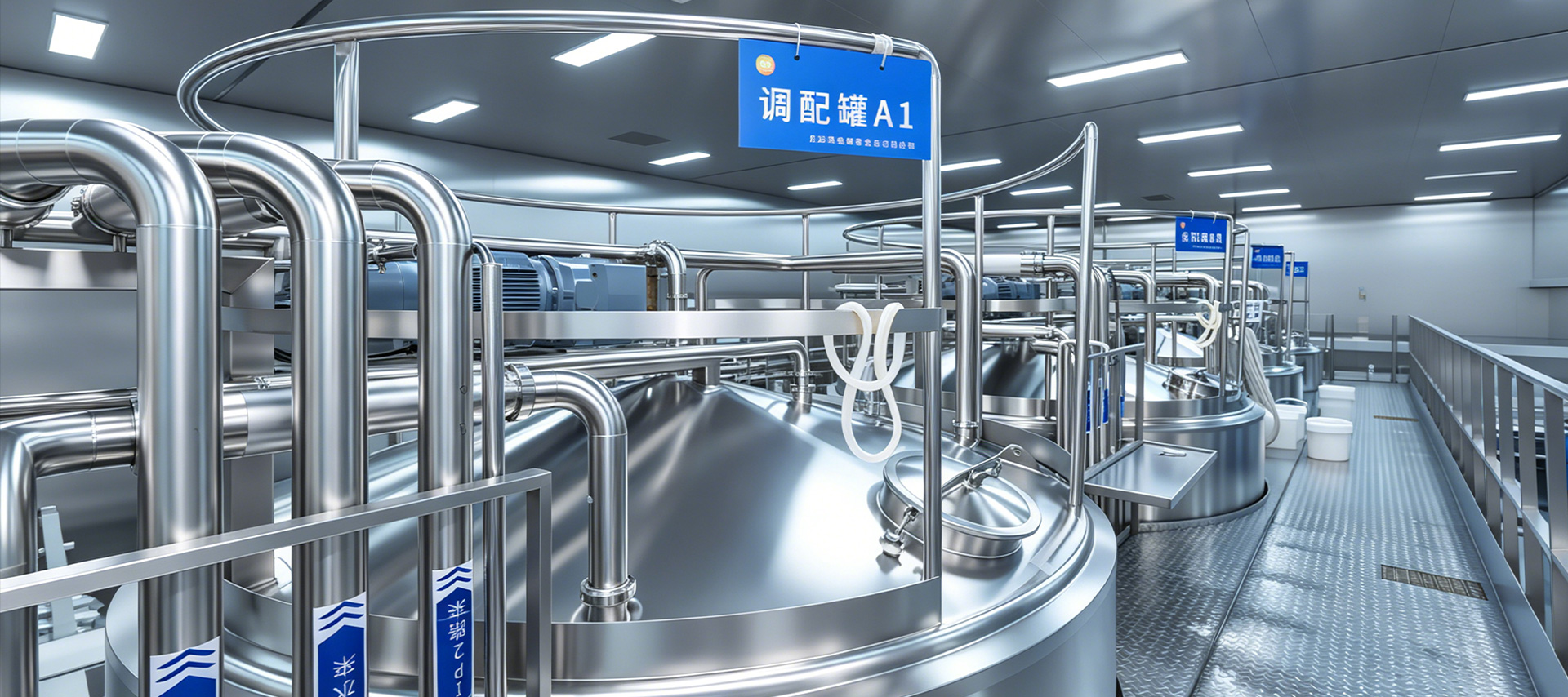
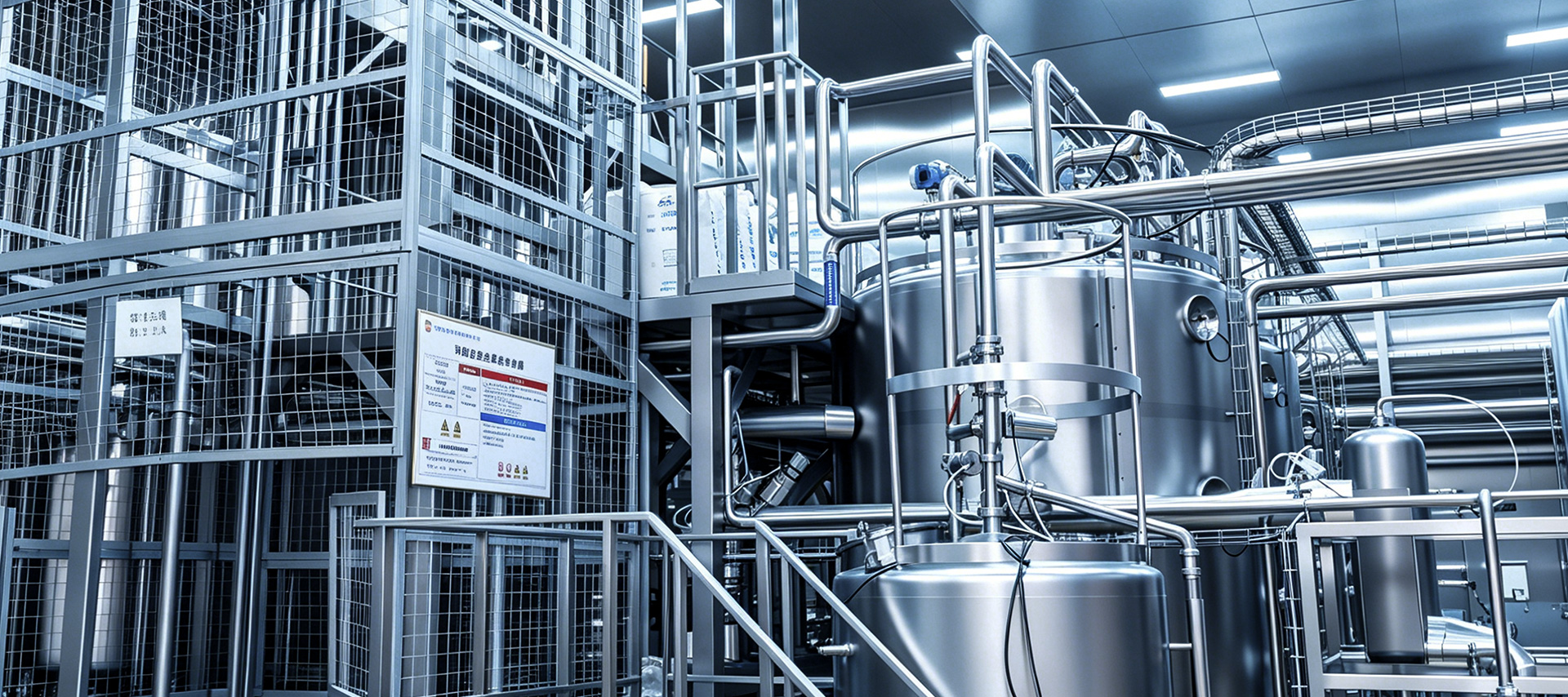
Our Vitamin Beverages Processing Production Line is a specialized turnkey solution for manufacturing vitamin-fortified drinks, nutraceutical beverages, and enhanced water products. The line is engineered around the specific challenge of vitamin processing: maintaining the biological activity and label-declared potency of heat- and light-sensitive vitamins (A, C, D, E, B-complex) through precisely controlled low-temperature processing, nitrogen blanketing, and UV-barrier packaging compatibility. From RO water treatment and vitamin premix dissolution through pasteurization, flavor addition, and high-speed filling, every system parameter is optimized to deliver a finished product with consistent vitamin content, clean flavor profile, and attractive shelf life. Available from 1,000 L/h to 20,000 L/h, CE and ISO 9001 certified.

Technical Specification Sheet
| Parameter | Detail |
|---|---|
| Processing Capacity | 1,000 L/h – 20,000 L/h (customizable) |
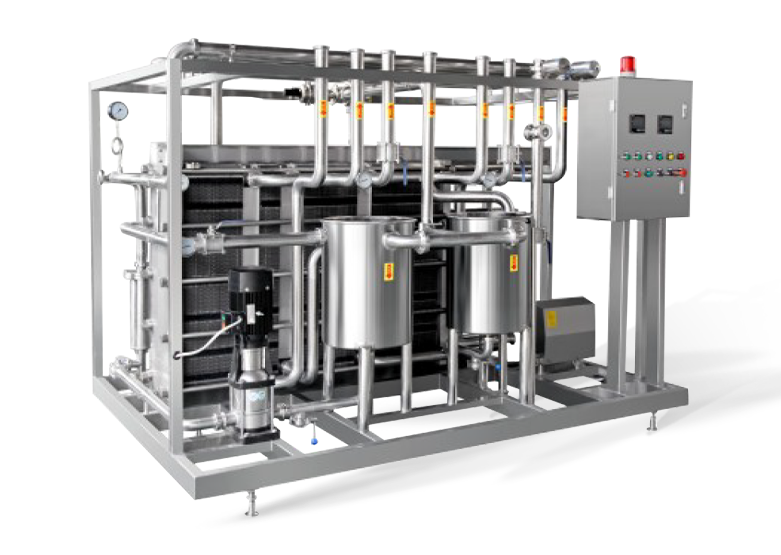
| Sterilization Method | HTST pasteurization (72–85°C, 15–30 s) or medium-temperature fill (65–75°C) to minimize vitamin degradation |
| Vitamin Premix Dissolution | Dedicated low-temperature dissolving system for water-soluble vitamins (C, B-complex) and fat-soluble vitamin emulsions (A, D, E, K) |
| Nitrogen Blanketing | Inline nitrogen sparging system reduces dissolved oxygen to below 0.5 ppm, protecting oxidation-sensitive vitamins (C, A, E) |
| pH Adjustment System | Citric acid / sodium citrate inline dosing with online pH sensor |
| Water Treatment | Multi-stage RO + UV sterilization + degassing + nitrogen protection |
| CIP Cleaning | Fully automatic; gentle low-temperature protocols |
| Filling Formats | PET, HDPE bottles, aluminum cans, glass bottles; UV-barrier packaging compatible |
| Wetted Parts Material | SS 316L; UV-protected transfer pipework available |
| Certification | CE, ISO 9001, GMP-compatible design |
Key Features
- Low-temperature processing protocol (HTST at 72–85°C or medium-temperature fill at 65–75°C) is specifically designed to minimize thermal degradation of heat-labile vitamins such as ascorbic acid (C), thiamine (B1), riboflavin (B2), and folate (B9), preserving declared potency throughout shelf life.
- Inline nitrogen sparging continuously purges dissolved oxygen from process water, syrup, and the finished beverage, reducing oxidation of vitamins A, C, and E — the primary cause of vitamin loss during storage.
- Dedicated vitamin premix dissolution system separates vitamin addition (in cool, deoxygenated water) from heat processing steps, preventing premature vitamin degradation before the beverage reaches the consumer.
- UV-barrier packaging compatibility configures filling heads for amber PET, opaque HDPE, or UV-barrier coated glass/PET bottles, providing light protection that is equally critical to vitamin stability as temperature control.
- Online vitamin content verification via inline UV-Vis spectrophotometry (optional) provides real-time quality assurance on vitamin C and key B-vitamin concentrations without laboratory delays.
Process Flow
- Water Treatment: Source water undergoes multi-stage sediment filtration, activated carbon treatment, reverse osmosis (RO), UV sterilization, vacuum degassing, and continuous nitrogen sparging to produce vitamin-compatible process water with dissolved oxygen maintained below 0.5 ppm — preventing premature oxidative degradation of vitamins C, A, and E before they are even added to the product.
- Sugar Dissolving & Base Syrup Preparation: Sugars or alternative sweeteners are dissolved in hot, filtered water, filtered through a fine filter, and then cooled to below 30°C before any vitamin addition step, minimizing the cumulative thermal exposure of heat-sensitive vitamins throughout the process.
- Vitamin Premix Dissolution: Water-soluble vitamin premixes (vitamin C, B1, B2, B3, B5, B6, B9, B12) are dissolved in a separate, temperature-controlled (below 25°C) dissolving vessel continuously blanketed with food-grade nitrogen to eliminate dissolved oxygen. Fat-soluble vitamins (A, D3, E, K2) are prepared as stable oil-in-water microemulsions using a high-shear emulsification system and added separately to the blending vessel.
- Ingredient Blending: The vitamin premix solution, fat-soluble vitamin emulsion, mineral salts, organic acids, natural flavors, and colorants are combined in a central nitrogen-blanketed stainless steel blending vessel under gentle low-shear agitation to prevent foam formation and minimize oxygen pickup during the assembly step.
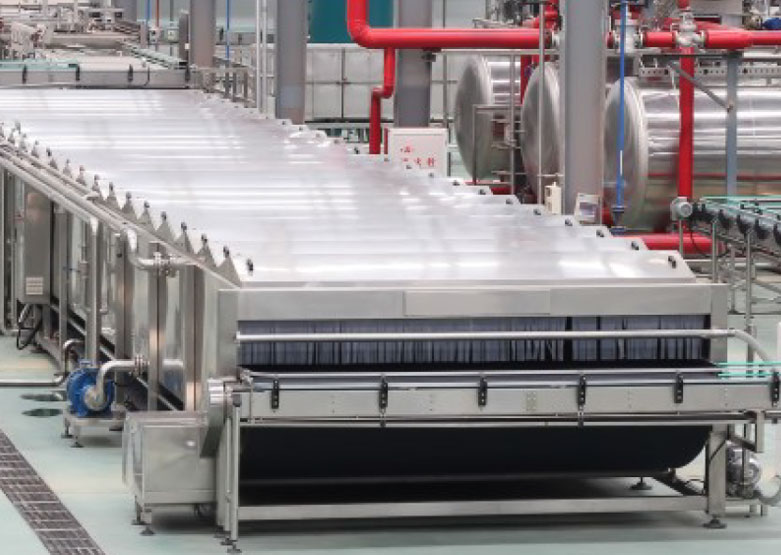
- Pasteurization: The assembled beverage is pasteurized at 72–85°C for 15–30 seconds via a plate heat exchanger. For formulations with particularly heat-sensitive vitamin profiles (high vitamin C or B1 content), medium-temperature fill at 65–75°C in a positively pressurized, HEPA-filtered filling room is used instead to achieve microbiological safety with reduced thermal vitamin loss.
- Filling & Packaging: The finished vitamin beverage is filled into UV-barrier PET bottles, opaque HDPE bottles, UV-barrier glass bottles, or aluminum cans. Immediately before sealing, nitrogen is flushed into the container headspace to displace oxygen, providing in-pack protection that further extends vitamin stability and shelf life after the bottle leaves the production facility.
Competitive Benefits
- End-of-Shelf-Life Label Compliance: By combining minimum-temperature HTST processing, nitrogen blanketing throughout production, late-stage vitamin addition, and UV-barrier packaging, the line consistently delivers end-of-shelf-life vitamin content at or above 100% of the label-declared value — a legally required standard under EU, FDA, and most Asian market food fortification regulations, and the most critical performance metric for vitamin beverage brand credibility.
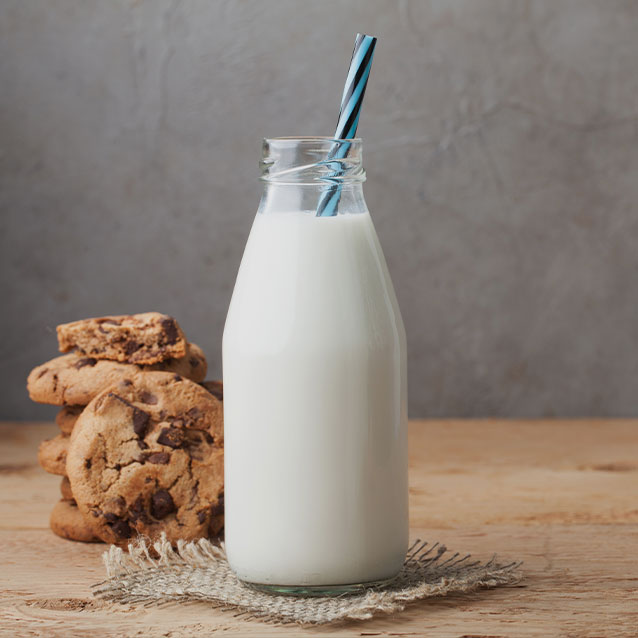
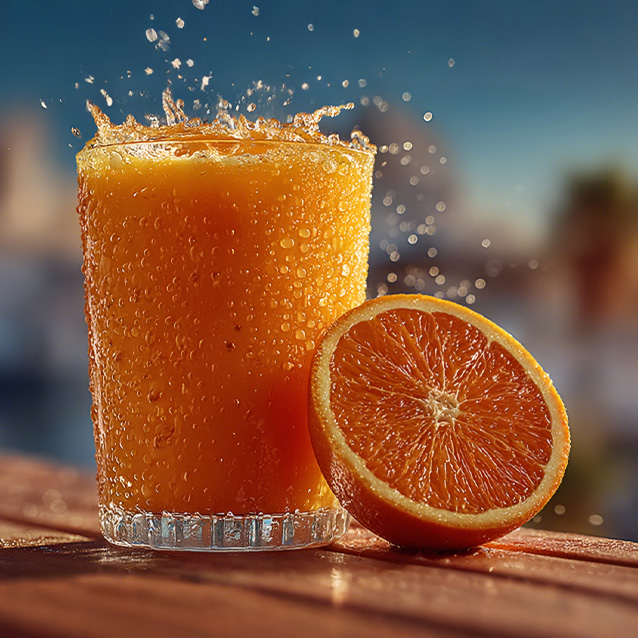
- Multi-Category Production Capability: The same line processes still vitamin water, lightly carbonated vitamin beverages, vitamin-mineral sports drinks, vitamin plus herbal functional beverages, and children vitamin drinks — covering multiple fast-growing subcategories of the functional beverage market from a single integrated platform.
- Clean-Label and Natural Source Compatibility: Process temperatures and oxygen levels are optimized equally for natural vitamin sources (acerola cherry extract for vitamin C, natural beta-carotene for vitamin A, mixed tocopherols for vitamin E) and synthetic vitamins, fully supporting clean-label, organic-certified, and non-GMO product positioning without process modification.
- Shelf-Life Extension through Oxygen Management: Reducing dissolved oxygen in-process to below 0.5 ppm, combined with nitrogen headspace flushing at filling, extends the effective shelf life of vitamin beverages by 30–50% compared to standard non-nitrogen-protected production — directly reducing product returns, customer complaints, and retail waste.
- Comprehensive Regulatory Documentation: Full batch records — including vitamin addition weights, process temperature-time charts, dissolved oxygen readings, nitrogen usage logs, and CIP verification records — are automatically generated by the PLC/SCADA system for every production run, supporting NHP (Canada), FDA (USA), EU food supplement, and SFDA (China) regulatory dossier submissions without manual record reconstruction.