Content
Planning a new liquid food processing production line often starts with a long list of equipment, but successful projects begin with integrated process design. A line that looks attractive on paper can still create product consistency issues, lengthy cleaning downtime, or unnecessary energy costs if the processing stages are not matched to the product and capacity. Understanding how the steps interact helps you evaluate supplier proposals, compare costs realistically, and avoid expensive changes during installation.
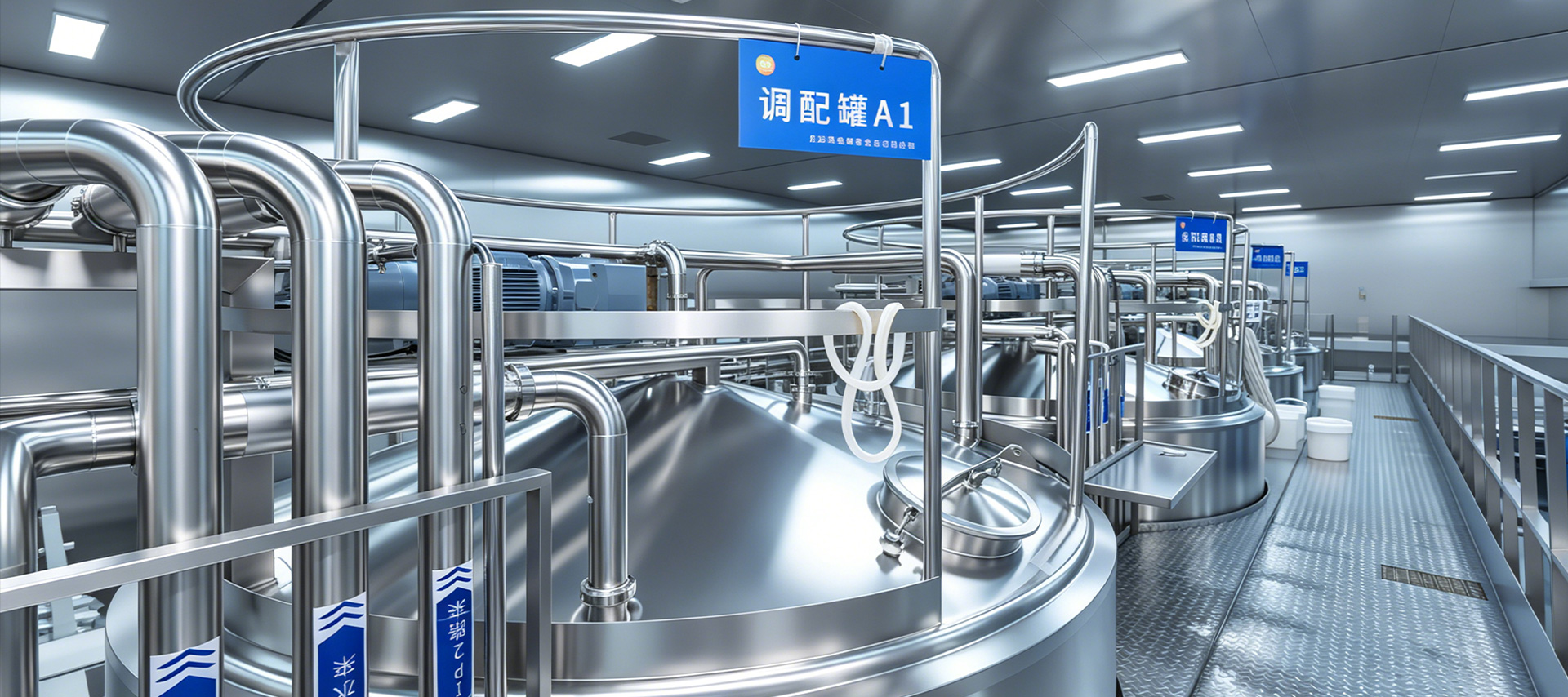
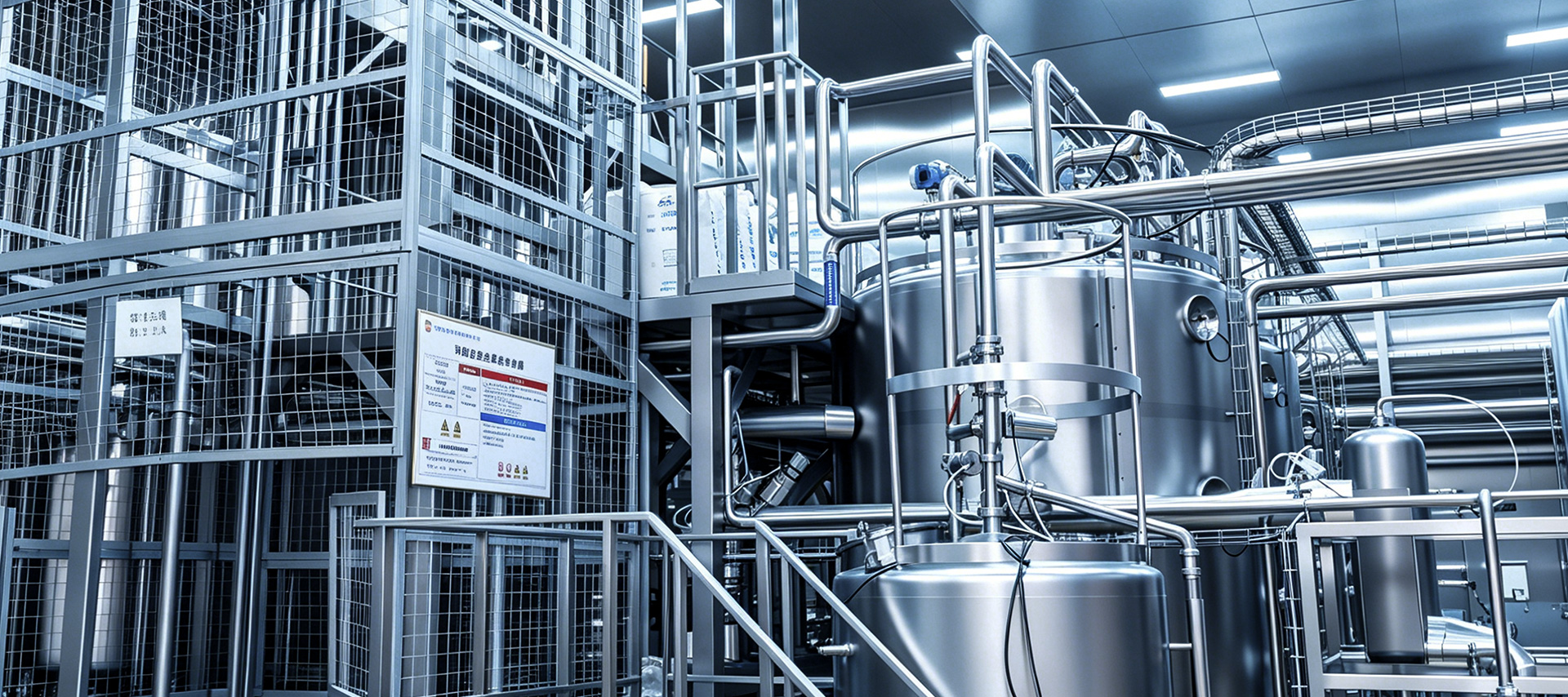
A liquid food processing production line is an integrated arrangement of tanks, pumps, heat exchangers, mixers, deaerators, fillers, and cleaning systems that move liquid food products through a controlled sequence. Unlike snack food or powder lines, liquid lines operate in closed piping and demand strict hygienic conditions throughout. The process typically covers blending, heating and cooling, holding, filling, and cleaning-in-place without dismantling the equipment.
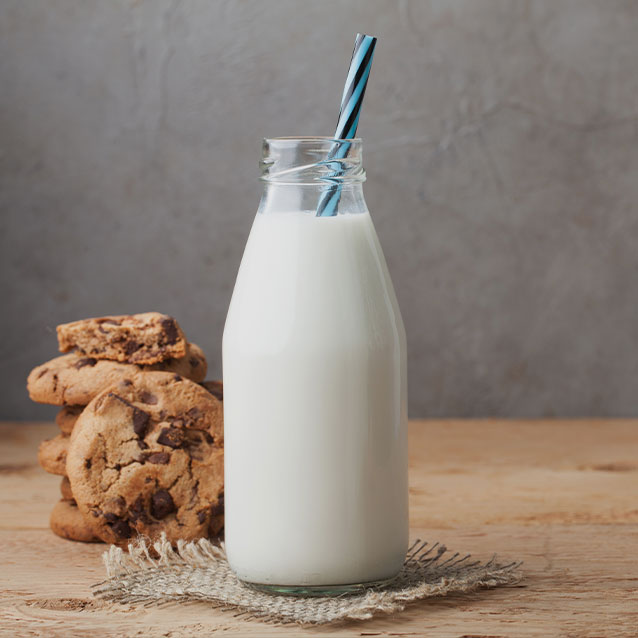
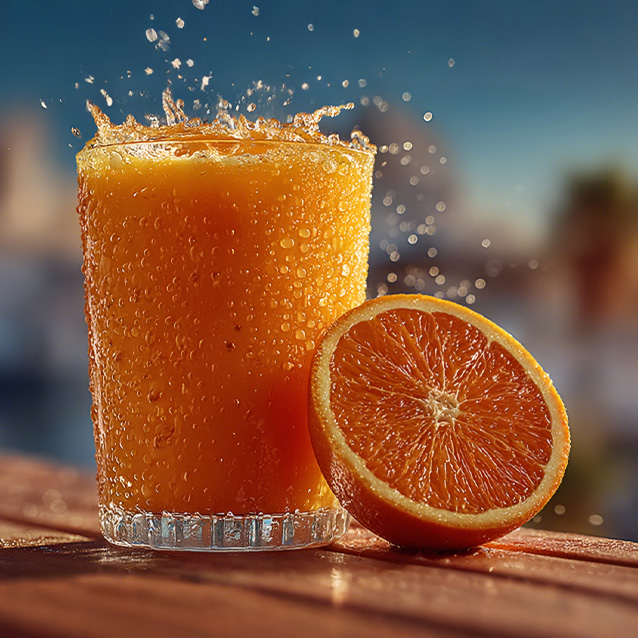
Common examples include pasteurized milk, UHT milk, yogurt, fruit juice, tea drinks, electrolyte beverages, and edible oil-based liquids. These products share similar unit operations, but the exact sequence, temperature profiles, and level of automation differ. That is why a line for one product cannot simply be scaled up or copied when the target product has a different viscosity, pH, or heat sensitivity.
Although every project is customized, most liquid food lines follow the same fundamental stages. The table below summarizes a typical configuration and the main equipment used at each step.
| Stage | Main Function | Typical Equipment |
|---|---|---|
| Raw material storage | Holding milk, juice, or other liquids under controlled temperature | Insulated tanks, single-layer tanks, mixing tanks |
| Mixing and standardization | Blending ingredients to meet recipe and solids content | High-shear mixers, agitator tanks, inline blenders |
| Deaeration | Removing dissolved oxygen to protect flavor and vitamins | Full-automatic degassing machine |
| Heat treatment | Pasteurizing or sterilizing the product | Heat exchanger skid, sterilization systems |
| Fermentation (optional) | Developing flavor and texture in cultured products | Stainless steel fermentation tanks |
| Filling and packaging | Dispensing product into containers with correct fill weight | Filling machines, capping machines, labeling units |
| CIP | Cleaning and sanitizing product contact surfaces | CIP cleaning system |
The table shows a general sequence, but the real challenge is sizing and interconnecting these stages. One of the most commonly underestimated areas is cleaning-in-place. A poorly configured CIP system can extend cleaning cycles, consume more water and chemicals, and reduce the useful running time of the line. A well-designed CIP cleaning system should be matched to the pipe length, tank volume, and number of circuits in your plant.
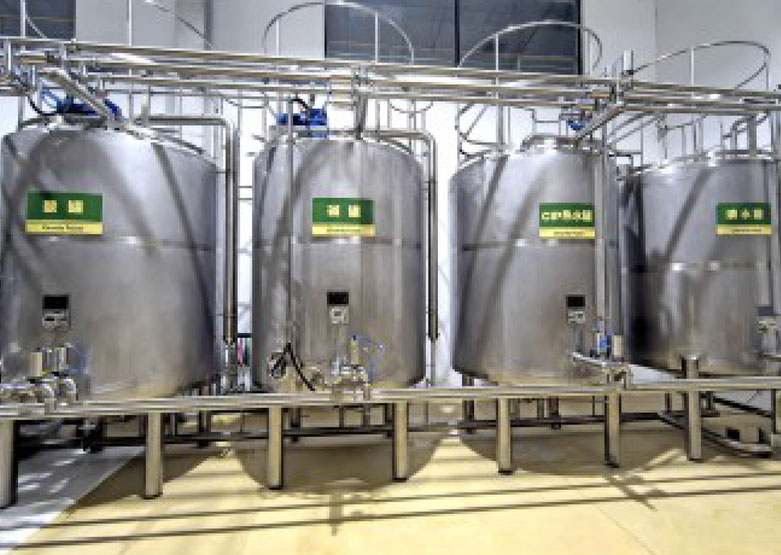 CIP Cleaning System Equipments Suppliers, Custom Factory, Manufacturers - ShanghYi Yang Fluid Tech is CIP Cleaning System Equipments Suppliers, Customized CIP Cleaning System Equipments Factory and Manufacturers in Ch...View Product →
Milk and fermented dairy products require precise control over heating and cooling. For pasteurized milk, the line usually includes a heat exchanger, holding tube, and cold storage tank. For UHT milk, higher sterilization temperatures require an aseptic processing unit. Yogurt production adds a fermentation step, where temperature must remain stable for several hours to achieve consistent texture and acidity. A stainless steel fermentation tank helps maintain uniform temperature and reduces product loss during transfer.
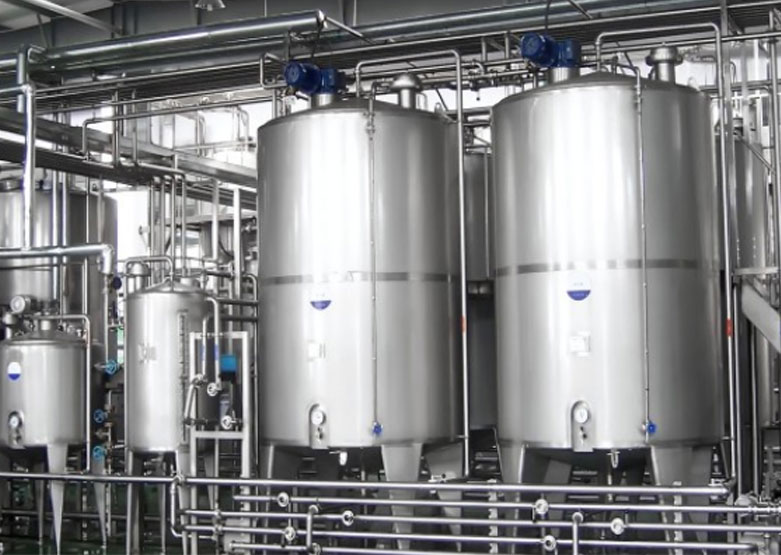 Stainless Steel Fermentation Tank Suppliers, Custom Factory, Manufacturers - ShaYi Yang Fluid Tech is Stainless Steel Fermentation Tank Suppliers, Customized Stainless Steel Fermentation Tank Factory and Manufacturers...View Product →
Clear drinks, vitamin water, and functional beverages bring their own set of requirements. Mixing must be gentle enough to avoid air intake, and deaeration becomes critical because excess oxygen can oxidize vitamins and alter taste. A full-automatic degassing machine removes dissolved oxygen before filling, improving shelf life and flavor stability. When designing an electrolyte beverage processing line, the formulation often requires high shear mixing and low-temperature filling. Look for a design that can handle different product variants without long changeover times.
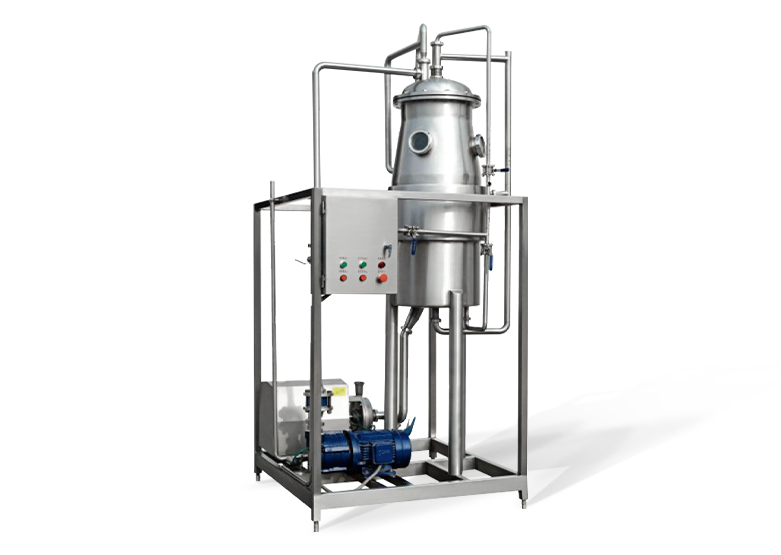 Full-Automatic Degassing Machine Suppliers, Custom Factory, Manufacturers - ShanYi Yang Fluid Tech is Full-Automatic Degassing Machine Suppliers, Customized Full-Automatic Degassing Machine Factory and Manufacturers i...View Product →
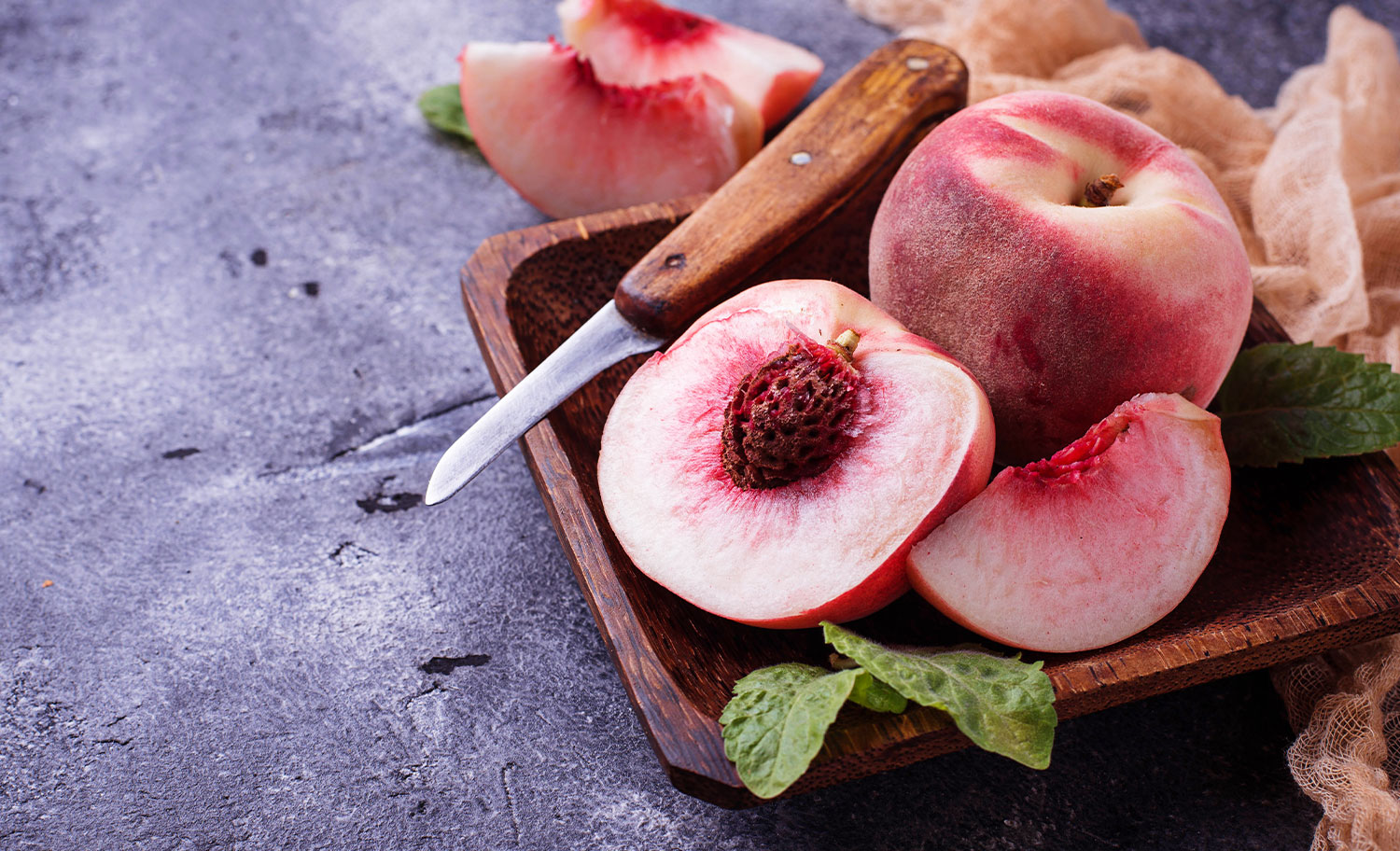
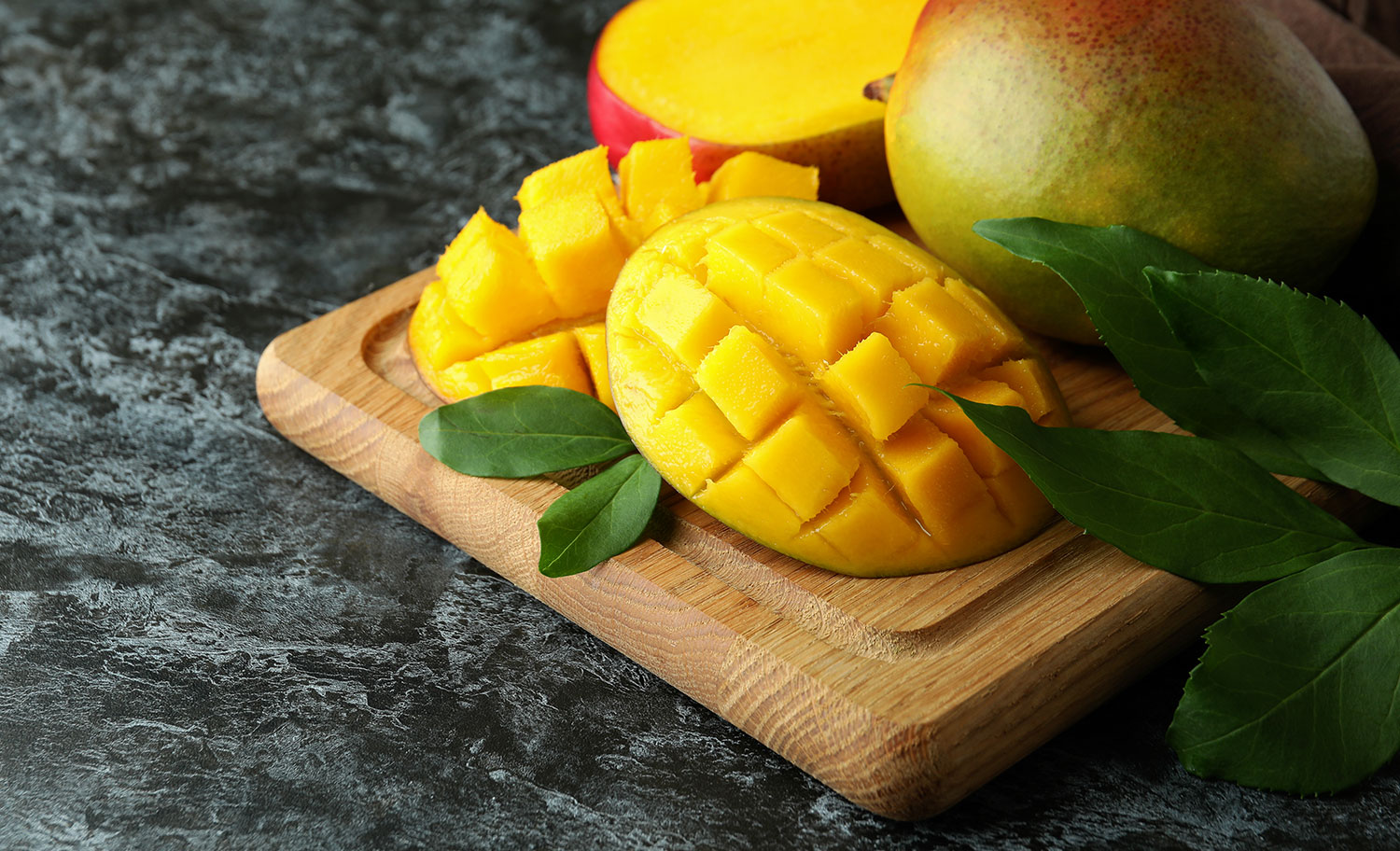
Fruit purees and juices start with size reduction and extraction. Depending on the raw material, you may need a fruit washing machine, crusher, pulping machine, and a vacuum evaporator to concentrate the juice. Stone fruits, berries, and tropical fruits each behave differently under heating and pressing, so the line should be designed around the physical properties of the raw fruit rather than a generic flowchart.
The investment for a liquid food processing line is influenced by several factors:
Before comparing quotes, define your target capacity and product range. If you plan to introduce multiple SKUs on one line, flexibility will become more important than top speed. A complete engineering team can translate those requirements into a line layout that reduces transfer pumps, shortens pipes, and minimizes cleaning time.
When choosing a manufacturer, look beyond the individual machines. Ask about their experience with liquid food projects, their ability to fabricate nonstandard components, and the level of installation support they provide. A responsible supplier should be able to discuss process parameters, safety interlocks, and hygienic design without pushing a one-size-fits-all product.
For projects where the standard catalog equipment is not enough, nonstandard customization is often needed. A manufacturer that can adapt tanks, valves, and control logic to your product characteristics is more likely to deliver a line that performs as expected on the first commissioning. You should also verify what technical support is available after installation, because correcting a poorly integrated line after commissioning is far more expensive than making design improvements on paper.
Ultimately, the best liquid food processing production line is the one that matches your product properties, hygiene standards, and production schedule with a clean and feasible flow. Start by defining the process carefully, then select a partner who can take responsibility for both equipment manufacturing and engineering integration. The result will be a line that runs consistently, cleans efficiently, and can be maintained with confidence over its full service life.

Contact Details
Production Address: No. 9188 Chuannan Fenggong Road, Fengxian District, Shanghai
Office Address: Room 603, Building 57, No. 260 Maoyuan Road, Fengxian District, Shanghai
TEL: 86-18221904658
E-mail: [email protected]

Quick Link

Request Custom Quote Need Something Special? We're Here To Help.
 English
 русский
 Français
 Español
 عربى
عربى
 Indonesia