Content
Six months after launch, a vitamin water product usually reveals whether its processing line was designed around the product or around whatever machines happened to be available. The most visible signs are batch-to-batch inconsistency, low vitamin retention, frequent line stops, and deposit buildup in places the cleaning program cannot reach. The practical conclusion from liquid food projects is simple: define the vitamin stability window first, select the process steps, and only then choose the filling concept.
A vitamin beverages processing production line is a sequence of interdependent unit operations that converts purified water, sweeteners, acids, flavorings, and vitamin premixes into a stable finished drink. Every unit has a specific function, and the connections between units matter as much as the machines themselves.
Most juice lines are optimized around flavor and color. A vitamin beverage line has to be designed around retention of active ingredients. Vitamin C (ascorbic acid) is sensitive to oxygen, pH, light, and metal ions. B vitamins follow different degradation paths in aqueous solution, and oil-soluble vitamins need a stable emulsion system. Ignoring these characteristics is the most common reason projects fail to deliver consistent declared values.
Most vitamin water formulas are designed in a pH range of 3.5 to 5.5. In the weakly acidic range, ascorbic acid is relatively stable, but dissolved oxygen and transition metals still accelerate oxidation. That is why process design has to control dissolved oxygen, maximum temperature, and exposure time together. Vitamin retention is a function of process conditions, not something the formula can achieve alone. This is the key reason why an integrated design approach is more reliable than buying individual machines.
Although brand recipes differ, vitamin beverage production follows a repeatable core sequence:
Not every step needs a separate machine. In mature line designs, mixing, deaeration, and sterilization are often integrated into one process skid. The shorter the path from blending to filling, the lower the oxygen pickup and the less time vitamins spend in an unstable environment.
Dry vitamin premixes arrive in factories as powders and granules. Simple agitators often cannot wet these solids fast enough, which creates lumps that float, settle, or only partially dissolve. When the liquid moves to the filling tank, different bottles can receive different amounts of the claimed vitamins. That is a compliance risk as much as a quality risk.
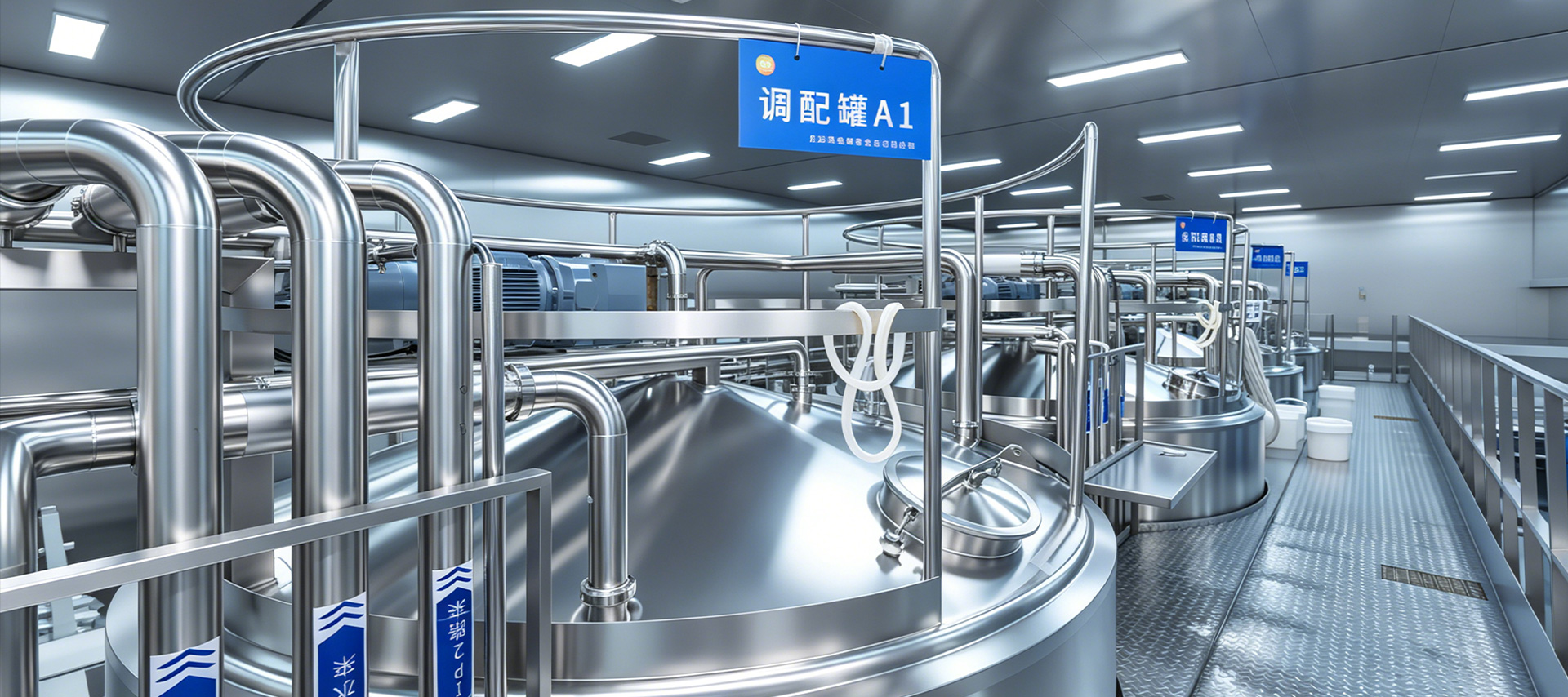
When a line handles dry vitamin premixes and oil-soluble ingredients, a high-shear emulsification mixing tank is a practical choice in the blending center. The shear force pulls powder into the liquid quickly and disperses the oil phase into fine droplets, forming a stable emulsion. For a vitamin beverage with strict batch-to-batch reproducibility, this step is not optional.
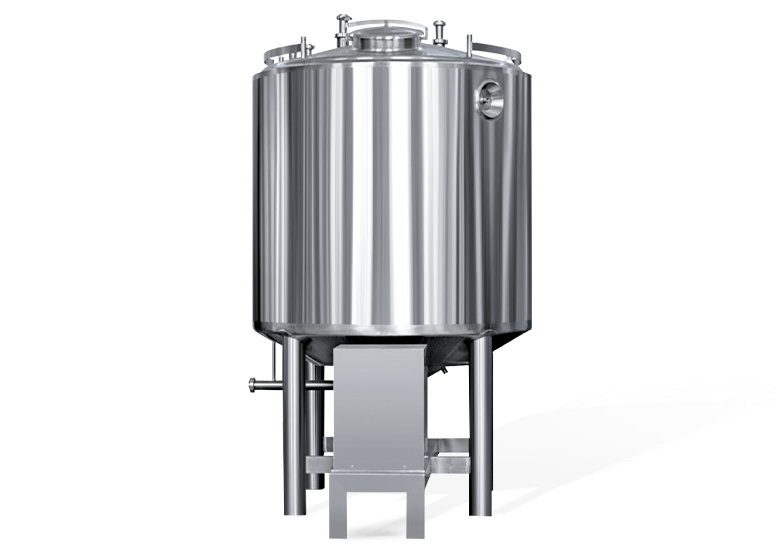 High Shear Emulsification Mixing Tank Suppliers, Custom Factory, Manufacturers -Yi Yang Fluid Tech is High Shear Emulsification Mixing Tank Suppliers, Customized High Shear Emulsification Mixing Tank Factory and Manuf...View Product →
After mixing and shearing, the liquid is close to oxygen saturation. If that oxygen is not removed before heating, vitamin C and several B vitamins degrade through oxidative reactions. Dissolved oxygen also continues to consume vitamins after filling, through headspace oxygen and permeation through the package.
An inline fully automatic degassing machine removes dissolved gas by exposing the liquid to vacuum in a thin film. In practice, this can bring oxygen down well below 1 ppm. The position of the deaerator matters as much as the model: it should sit after high-speed equipment that can introduce air, and before the sterilizer that would otherwise accelerate oxidation.
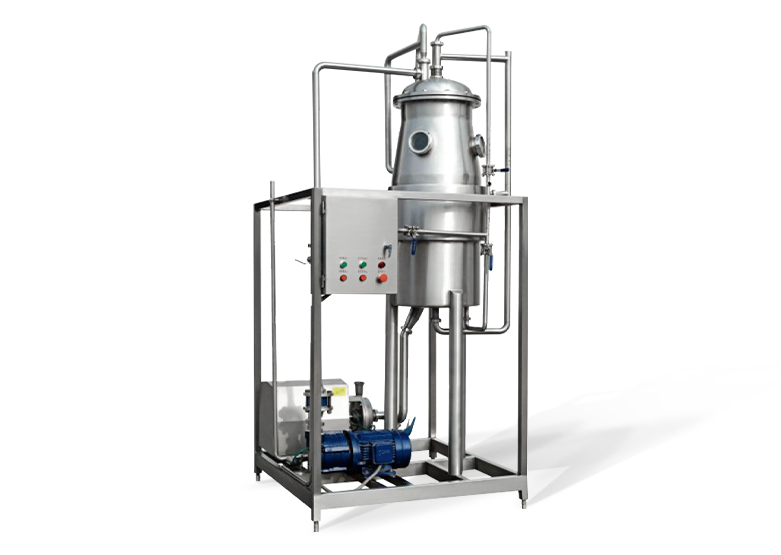 Full-Automatic Degassing Machine Suppliers, Custom Factory, Manufacturers - ShanYi Yang Fluid Tech is Full-Automatic Degassing Machine Suppliers, Customized Full-Automatic Degassing Machine Factory and Manufacturers i...View Product →
Sterilization is the point where heat has the strongest impact on vitamins. Short-time, high-temperature treatment normally preserves vitamins better than long holding times because degradation grows with time even when temperature is moderate. HTST at 72 to 75°C for 15 to 30 seconds and UHT at 135 to 150°C for 2 to 5 seconds both produce commercially safe beverages, but their effect on vitamin retention is very different.
High-acid formulas with pH below 4.0 can use a milder pasteurization regime. Low-acid or near-neutral formulas require stronger sterilization conditions. When selecting sterilization system equipment, pay attention to holding-temperature control and rapid cooling capacity, because residual heat during cooling also reduces vitamin activity.
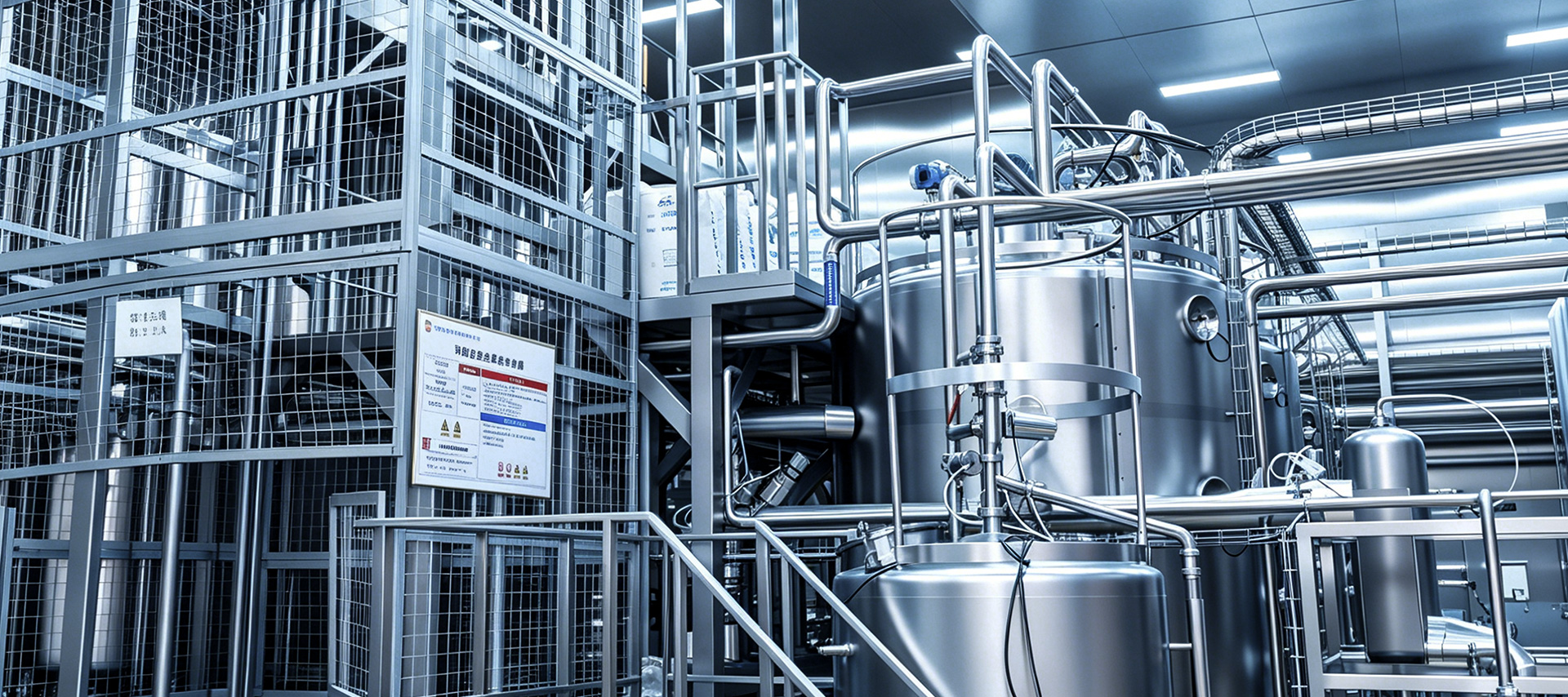
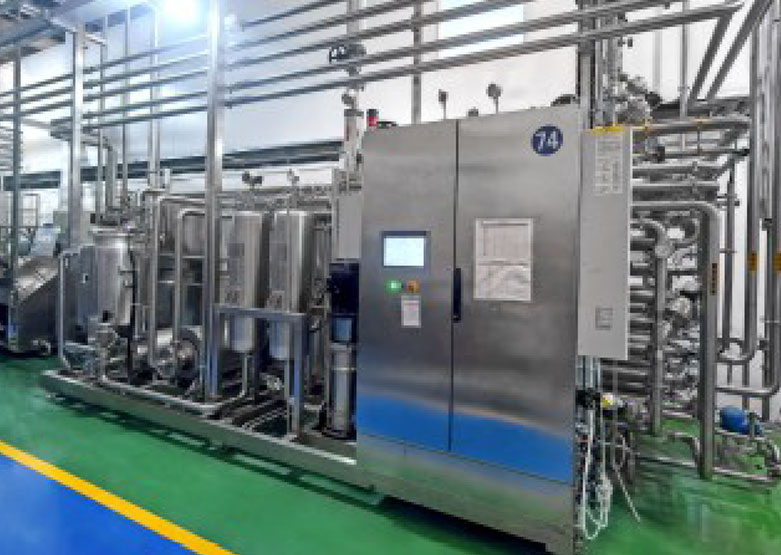 Sterilization System Equipment Suppliers, Custom Factory, Manufacturers - ShanghYi Yang Fluid Tech is Sterilization System Equipment Suppliers, Customized Sterilization System Equipment Factory and Manufacturers in Ch...View Product →
Filling is the last technical chance to protect vitamins. Product temperature entering the filler, headspace oxygen level, and nitrogen flushing all affect shelf life. Many vitamin beverage producers prefer cold-fill specifically to avoid additional heat load. However, cold filling requires a strict hygienic filling environment and often chemical disinfection of packaging. The choice made here determines which packaging materials are usable and how long the product can remain stable in distribution.
The filling concept changes the entire upstream configuration. Cold-fill and hot-fill are not just different filling machine options; they lead to different packaging, energy use, and shelf-life strategies.
| Parameter | Cold-fill | Hot-fill |
|---|---|---|
| Typical fill temperature | 4 to 25°C | 85 to 92°C |
| Heat load on vitamins | Low; favorable for vitamin C and B vitamins | High; may require overage addition |
| Microbiological barrier | Depends on filling hygiene and package disinfection | Bottle and cap are heat-disinfected by the product itself |
| Packaging container | Standard PET or HDPE can be used | Heat-resistant PET, glass, or metal required |
| Expected shelf life | 3 to 6 months under refrigeration | 6 to 12 months at ambient temperature |
| Energy pattern | Higher cooling and disinfection demand | Higher heating and bottle-cooling demand |
If your formula is heat-sensitive and the distribution chain supports refrigeration, cold-fill is often a reasonable starting point. If the market demands ambient shelf life, aseptic filling lets you fill at a lower temperature while maintaining a long shelf life, but the investment is higher. This decision has to be made during process design, because changing the filling concept later means reworking the sterilizer, packaging handling system, and conveying line.
If the same factory will also run other beverage categories, plan for that during the line design. Products such as electrolyte beverages share most upstream equipment with vitamin water, but their acidity, sugar level, and sensitivity to heat differ. Changeover time between products has a direct influence on plant utilization and yield.
The cleaning challenge in vitamin beverages is not mainly sugar; it is the trace ingredients. Vitamins and minerals can deposit on heated surfaces, and incomplete cleaning allows deposits to accumulate and become a refuge for microorganisms. Design details that affect cleanability include dead legs, blind pipes, filling valve geometry, internal surfaces of the deaerator and homogenizer, and spray coverage in storage tanks.
A sound design reduces cleaning dead zones from the beginning and uses a CIP system that covers every product contact surface through a combination of alkali and acid washes. The practical questions are whether the cleaning cycle can be completed within the planned shift window, whether the piping can be inspected and dismantled when needed, and how the cleaning endpoint is confirmed during product changeover. CIP does not touch the final product directly, but it is a basic condition for vitamin retention and microbial safety.
From a buying perspective, line selection can be reduced to four layers of evaluation:
When the purchase is a complete line rather than a single machine, supplier project capability matters more than individual equipment specifications. A supplier with in-house process engineering services can connect process design, equipment fabrication, installation, and commissioning under one responsibility, reducing interface risk between multiple vendors. Technical support after delivery also deserves attention, because adjusting cleaning parameters and switching recipes are normal operations in vitamin beverage production.
Vitamin beverage production is a chain of choices: water treatment depth, premix preparation, deaeration efficiency, heat treatment intensity, and filling environment. The brands that perform well in the market are usually the ones that make these choices in the right order. Start with the vitamin stability window, design the process around it, and use a supplier that can deliver the whole sequence with validation and service. That approach produces a line that not only fills bottles, but actually protects the product inside them.

Contact Details
Production Address: No. 9188 Chuannan Fenggong Road, Fengxian District, Shanghai
Office Address: Room 603, Building 57, No. 260 Maoyuan Road, Fengxian District, Shanghai
TEL: 86-18221904658
E-mail: [email protected]


Quick Link

Request Custom Quote Need Something Special? We're Here To Help.
 English
 русский
 Français
 Español
 عربى
عربى
 Indonesia